Showing posts with label Mental Health. Show all posts

Train Your Brain to Feel Happier

A bright yellow background with the bold black title "Train Your Brain to Feel Happier" and subtitle "Simple Habits That Work" above a large smiling face icon.

Simple Habits That Work

Did you know that happiness isn't just something that happens to you? Science shows that you can actually train your brain to feel happier by creating simple daily habits. The good news is, you don't need expensive tools or a life makeover. You just need to make small changes in your mindset and routine. In this guide, you'll learn how to train your brain to be happy and stay that way, even during stressful times.

Why It’s Important to Train Your Brain to Feel Happier

Our brains are wired to notice problems more than positives—a survival mechanism known as the “negativity bias.” This helped our ancestors stay alert in dangerous environments, but in today’s world, it often leads to chronic stress, anxiety, and dissatisfaction. The great news? You can rewire your brain through intentional practice to focus on the good, building resilience and a lasting sense of well-being.

1. Practice Gratitude Daily

One of the easiest and most effective ways to feel happier is by practicing gratitude. When you focus on what you’re thankful for, your brain releases dopamine and serotonin—feel-good neurotransmitters that boost your mood instantly.

  • Start a gratitude journal and write down 3 things you're thankful for each day.
  • Say "thank you" more often, even for small things.
  • Reflect on positive moments before going to bed.

These simple habits gradually train your brain to notice and appreciate the positive aspects of your life.

2. Reframe Negative Thoughts

It’s normal to experience negative thinking, but if left unchecked, it can lower your mood and energy. Cognitive reframing helps you look at challenges in a more balanced, realistic way.

Here’s how to do it:

  1. Notice when you’re thinking something negative.
  2. Ask yourself if the thought is 100% true or just a reaction.
  3. Replace it with a kinder or more neutral perspective.

This process may seem small, but it’s powerful. Over time, it teaches your brain to think more positively and reduces the emotional impact of stress.

3. Build a Consistent Exercise Routine

Exercise isn’t just for physical health—it’s one of the best natural ways to feel happier. Physical activity increases the production of endorphins, often called the “happy hormones.”

To boost your mood:

  • Walk for 20–30 minutes a day.
  • Try activities you enjoy like dancing, yoga, or swimming.
  • Join a group or class to stay motivated and meet others.

Even small amounts of regular movement can improve your mental health, lower stress, and help you sleep better.

4. Meditate for a Calm and Clear Mind

Meditation helps train your brain to stay calm and focused, even in the middle of chaos. It reduces anxiety, improves concentration, and helps regulate emotions.

Start with just 5 minutes a day. Find a quiet spot, close your eyes, and focus on your breath. If your mind wanders, gently bring your attention back to your breathing. Over time, meditation strengthens parts of the brain associated with happiness and emotional balance.

You can also use guided meditation apps like Headspace, Calm, or Insight Timer if you’re just starting out.

5. Spend More Time in Nature

Being in nature is a natural stress reliever. It helps your brain relax, reduces cortisol levels (a stress hormone), and increases feelings of peace and joy.

Simple ways to connect with nature:

  • Take a daily walk in a nearby park or garden.
  • Go hiking or biking on weekends.
  • Practice outdoor mindfulness—listen to birds, observe the sky, feel the breeze.

Nature gives your brain a break from the digital world and brings you into the present moment—a key ingredient in happiness.

6. Cultivate Strong Social Connections

Humans are social creatures. Positive relationships are essential for emotional well-being. When you feel connected to others, your brain releases oxytocin, the “bonding hormone,” which reduces stress and increases trust and happiness.

Ways to strengthen relationships:

  • Make time to talk with friends or family regularly.
  • Join clubs, groups, or volunteer in your community.
  • Be a good listener and show empathy.

Even a short phone call or kind message can brighten your mood—and someone else’s too.

7. Limit News and Social Media Exposure

Too much negative news or constant social media scrolling can overwhelm your brain and lower your mood. While staying informed is important, your mental health matters too.

Here are a few ways to create balance:

  • Set time limits for apps and stick to them.
  • Follow accounts that inspire and uplift you.
  • Take regular digital detox days.

Protecting your mind from negativity allows your brain to reset and stay focused on the present.

8. Get Enough Quality Sleep

Sleep is crucial for mental and emotional health. When you’re well-rested, your brain processes emotions better, reduces anxiety, and supports overall well-being.

Improve your sleep by:

  • Creating a relaxing bedtime routine.
  • Turning off screens at least 1 hour before sleep.
  • Keeping your bedroom cool, dark, and quiet.

Consistency matters more than duration—try to sleep and wake at the same time daily for better mood regulation.

9. Celebrate Small Wins

When you celebrate small achievements, your brain gets a dose of dopamine, which boosts motivation and happiness. Don’t wait for big milestones—acknowledge your daily efforts.

Ideas to celebrate:

  • Check off completed tasks and smile about your progress.
  • Share your wins with a friend or journal about them.
  • Treat yourself with something simple like a break, a walk, or your favorite tea.

Over time, this trains your brain to associate effort with reward and positivity.

10. Help Others and Be Kind

Acts of kindness activate the reward center of your brain and lead to what scientists call a “helper’s high.” Helping others reduces stress, improves self-worth, and enhances connection.

Start small:

  • Offer to help a neighbor or coworker.
  • Compliment someone sincerely.
  • Donate time, skills, or resources to a cause you care about.

Kindness is contagious—and it trains your brain to focus on compassion rather than comparison.

Final Thoughts

Your Brain Can Be Rewired for Joy

Happiness isn’t a destination—it’s a skill you can build. By adopting simple daily habits like gratitude, mindfulness, exercise, and kindness, you can train your brain to feel happier, healthier, and more balanced. Remember, change doesn’t happen overnight, but with consistency and intention, your mind will adapt in powerful ways.

Start today with just one practice. Over time, these small actions will lead to big results in your mental well-being. Your journey to a happier brain begins with one thought: You deserve to feel good.


Keywords:

train your brain, how to train your brain to feel happier, ways to feel happier naturally, daily habits for happiness, how to be happy, mental health tips, simple happiness habits

Young Adults in Europe are Putting Away Smartphones

Why Young Adults in Europe Are Putting Away Smartphones A New Digital Awakening

In the summer of 2024, something quietly radical happened on the streets of Amsterdam, Barcelona, Berlin, and beyond. Emma, a 24-year-old UX designer in Munich, slipped her phone into a drawer. Not for an hour. Not for a detox weekend. She left it there for a month. Her story isn’t unique anymore. All over Europe, a growing number of young adults are putting away smartphones — not out of obligation, but as a conscious decision to reclaim their lives.

The Start of a Movement

This isn’t just another digital detox trend. It’s a generational shift in digital habits. In cities across Europe, young professionals, students, and creatives are choosing to disconnect from the constant ping of notifications. They're swapping screens for real-world presence, eye contact, and serendipitous conversations. This behavioral shift is driving discussions in universities, coworking spaces, cafés, and even therapy sessions.

Why Are They Putting Away Smartphones?

The reasons are layered, but most fall into a few key themes:

  • Digital Overload: The pandemic normalized remote everything — work, education, therapy, even dating. As a result, people found themselves online almost 24/7. Young Europeans started experiencing screen fatigue, anxiety, and burnout.
  • Loss of Authentic Connection: Platforms like Instagram and TikTok, once sources of inspiration, began to feel performative and draining. “I was curating a life instead of living it,” Emma recalls.
  • Privacy Concerns: Surveillance capitalism, AI tracking, and targeted ads stirred unease. Many grew uncomfortable with how their data was being mined.
  • Desire for Mental Clarity: Constant notifications disrupt focus and increase anxiety. Putting away the phone is an act of mental hygiene for many.

What Are the Alternatives?

The move away from smartphones hasn’t left a void. In fact, it’s sparked a revival of slower, intentional technologies and analog experiences. Here are some of the alternatives young adults in Europe are embracing:

1. Dumb Phones and Minimalist Devices

Sales of “dumb phones” — devices with basic call and SMS functions — have surged. Brands like Light Phone, Punkt, and Nokia are seeing increased traction in cities like Paris, Copenhagen, and Vienna. These phones offer essential communication without apps, social media, or internet distractions.

2. Wearables With Boundaries

Smartwatches with limited capabilities are being used to stay accessible (e.g., for calls or health tracking) without getting sucked into apps. Young adults are customizing settings to remove distractions.

3. Analog Entertainment

Books, vinyl records, film cameras, and board games are making a major comeback. Community spaces now host “analog nights,” where no devices are allowed, and people interact over shared activities.

4. Journaling and Handwriting

Many have returned to journaling, using pen and paper as a mindfulness tool. Bullet journals, sketchbooks, and planners are replacing productivity apps. It’s not nostalgia — it’s a shift in values.

5. Real-Life Social Networks

Community events, hobby meetups, and coworking clubs are filling the social gap once occupied by Instagram DMs and Facebook events. Apps like Meetup (ironically still digital) help people connect — then log off.

Where Is Their Engagement At Present?

This generation isn't retreating from technology entirely — they’re redefining how and when they use it. Key trends include:

1. Intentional Internet Use

More users are restricting smartphone use to specific time blocks. They check emails twice a day instead of constantly. They use browser extensions that limit social media and block news doomscrolling.

2. Shift to Desktop Over Mobile

Instead of consuming content on the go, many now prefer engaging with digital media from their laptop — with intention, and often for a shorter duration. It's part of a growing “tech hygiene” practice.

3. Localized Living

Young Europeans are rediscovering their neighborhoods — visiting farmer’s markets, volunteering in community gardens, joining yoga studios. The focus has shifted to offline, local engagement instead of scrolling through global feeds.

4. Focus on Deep Work and Mindfulness

Flow state is the new goal. Many are structuring their days to support deep work — uninterrupted time for creativity, problem-solving, or learning. Digital distractions are seen as the enemy of this new productivity ethos.

>Young Generation is Searching:

  • Why are young adults in Europe quitting smartphones?
  • Digital detox trends in Europe 2025
  • Best dumb phones for digital minimalists
  • Alternatives to smartphones for students and creatives
  • How to unplug in a connected world

The New Cool

Disconnection

In many social circles across Europe, disconnection is becoming a badge of honor. Saying “I’m not on Instagram” or “I don’t carry my phone everywhere anymore” isn’t weird — it’s admired. It signals freedom from digital dependency, and a focus on mental wellness and presence.

In Copenhagen, artist cooperatives are banning phones during creative workshops. In Lisbon, morning walking clubs are thriving because they combine movement, connection, and digital silence. In Zurich, students at ETH have started an offline club — where silence and slow conversation are sacred.

What This Means for the Future

This isn’t about rejecting technology, but about redefining digital engagement on human terms. Young adults across Europe are setting boundaries with screens — not because someone told them to, but because they want to experience the fullness of life again.

“The world feels real again,” Emma says, sipping coffee in a Berlin café where phones are discouraged. “I hear birds now. I see people. I sleep better. I feel better.”

Conclusion 

A European Awakening

The smartphone isn't dead. But its dominance is being questioned in ways we haven’t seen before. For many young Europeans, putting away the smartphone is the beginning of something deeper — a return to self, community, and presence. It’s not a tech retreat; it’s a life reboot.

If you're inspired to try this shift, start small. Turn off notifications. Put your phone away during meals. Buy a notebook. Walk without music. You might just find yourself again.


    Permitted Blood Alcohol Level


    General Overview of Blood Alcohol Concentration (BAC)

    BAC measures the amount of alcohol in your blood and is typically expressed as a percentage. 

    For instance, a BAC of 0.05% means that there is 0.05 grams of alcohol in every 100 milliliters of blood. 

    Different countries set legal limits for BAC levels to determine impaired driving.

    Permitted BAC Levels by Country

    The legal BAC limits for driving vary around the world. 

    Below are some examples:

    United States

    Standard BAC Limit: 0.08% for regular drivers.

    Lower limits (0.04%) for commercial drivers, and often zero tolerance (0.00%-0.02%) for drivers under 21.

    European Union

    Most EU countries: 0.05% (e.g., France, Germany, Italy).

    Stricter in some countries like Sweden: 0.02%.

    Zero tolerance in some (e.g., Czech Republic, Hungary, Slovakia).

    Australia

    Standard BAC Limit: 0.05%.

    0.00% for learners, probationary drivers, and commercial drivers.

    Canada

    Standard BAC Limit: 0.08%.

    Provinces may have lower administrative penalties at 0.05%.

    Japan

    Standard BAC Limit: 0.03%.

    United Arab Emirates (UAE)

    Zero tolerance: 0.00%.

    Advantages and Disadvantages of Legal BAC Limits

    Advantages

    Safety: Enforcing BAC limits reduces the risk of accidents, as alcohol impairs coordination, reaction time, and judgment.

    Public Health: It encourages responsible drinking and reduces alcohol-related injuries and fatalities.

    Consistency: Having clear legal standards ensures that drivers are aware of acceptable limits.

    Disadvantages

    Variability: BAC limits may not account for individual tolerance; some people may be impaired even below legal limits.

    Cultural Differences: What’s acceptable in one country might be too lenient or strict in another due to drinking customs.

    Enforcement Challenges: Especially in rural areas or countries with limited law enforcement resources.

    Most Searchable Questions and Answers

    What is the legal alcohol limit for driving in my country?

    The answer depends on the country, but the most common limit globally is 0.05% BAC for private drivers.

    How long does alcohol stay in your system?

    On average, the body metabolizes one standard drink per hour, but this varies based on body weight, gender, and metabolism.

    Can I drive after one drink?

    It's not advisable. 

    Even one drink can impair your ability to drive, and you might still be over the limit depending on your body’s response.

    How can I quickly lower my BAC?

    Time is the only effective way. Drinking water, eating food, or taking a nap may make you feel better but won’t reduce your BAC any faster.

    What happens if you get caught over the limit?

    Penalties vary by country but generally include fines, license suspension, and possibly imprisonment for high BAC levels or repeat offenses.

    Suggestions and Tips

    Know Your Limit: Understand how many drinks it takes to reach the legal BAC limit in your country and account for individual factors like weight, gender, and tolerance.

    Use a Breathalyzer: Personal breathalyzers can help you measure your BAC before deciding to drive.

    Plan Ahead: If you're going to drink, arrange alternative transportation (e.g., taxis, rideshares) or assign a designated driver.

    Wait it Out: If you're unsure whether you’re under the limit, give it more time before driving. 

    BAC decreases at about 0.015% per hour.

    Zero Tolerance for Work: Avoid consuming alcohol if you're going to work, especially in industries like construction, healthcare, or driving, where safety is paramount.

    Stay Informed: BAC limits and enforcement methods may change, so stay updated on the laws in your region, especially when traveling abroad.

    Impact of BAC Levels on Driving and Job Performance

    Driving

    Impaired Judgment: Even at low BAC levels (0.02%-0.05%), drivers experience reduced concentration, slower reaction times, and difficulty multitasking. 

    Higher BAC levels result in blurred vision, poor coordination, and impaired motor skills, significantly increasing the risk of accidents.

    Legal Consequences: If caught driving above the legal BAC limit, the penalties often escalate based on the level of intoxication. 

    These include:

    Fines: Vary based on jurisdiction and level of BAC.

    License Suspension: Some countries revoke or suspend driving privileges immediately after a high-BAC violation.

    Imprisonment: Especially in severe cases (accidents, injuries, or fatalities) or repeat offenses.

    Insurance Impact: A DUI (Driving Under the Influence) can increase car insurance rates significantly or lead to policy cancellation.

    Social Stigma: DUI convictions may carry a social stigma, impacting personal relationships and future employment prospects, especially in jobs that require driving.

    Job Performance

    Lower Productivity: Even low-level alcohol consumption before or during work can reduce concentration, accuracy, and efficiency.

    Safety Hazards: In industries such as construction, healthcare, transportation, or manufacturing, impaired performance can lead to accidents, injuries, or fatalities.

    Zero-tolerance policies in such jobs are common due to the high-risk environment.

    Increased Absenteeism: Workers with high alcohol consumption are more likely to call in sick or arrive late, affecting overall productivity.

    Impact on Reputation: A DUI or other alcohol-related offense can tarnish an employee’s professional reputation, especially in industries that value reliability (e.g., finance, education).

    Termination Risks: Some companies have strict policies regarding alcohol use. 

    A DUI conviction or evidence of alcohol impairment on the job can lead to termination, particularly in jobs involving public safety or company vehicles.

    Top FAQs About BAC and Alcohol at Work

    What is a zero-tolerance policy for alcohol at work?

    This policy means no alcohol is allowed in an employee’s system while on duty, especially in safety-sensitive jobs (e.g., drivers, healthcare workers).

    Can I be fired for DUI outside of work?

    In some industries, especially those requiring driving or security clearance, a DUI conviction can lead to job loss, even if it occurred outside of work hours.

    How do employers test for alcohol use at work?

    Employers may use breathalyzer tests, blood tests, or random testing policies, especially in industries like transportation, where alcohol use could endanger lives.

    Is it legal to drink at a work event?

    Many companies allow moderate drinking at official events, but employees should be mindful of company policies and their alcohol tolerance. 

    Drinking too much can lead to inappropriate behavior, harming professional relationships.

    Tips for Avoiding Alcohol-related Issues at Work

    Adopt a Zero-tolerance Approach: Even if your company allows drinking at social events, it’s safer to avoid alcohol entirely in professional settings.

    Monitor Intake at Work Events: If drinking is allowed, limit yourself to one or two drinks, and avoid anything that might impair your judgment or behavior.

    Seek Support: If you feel that alcohol is affecting your work or personal life, many companies offer Employee Assistance Programs (EAPs) that provide counseling and resources for substance abuse issues.

    Suggestions for Safer Drinking Habits

    Pace Yourself: Space out alcoholic drinks with non-alcoholic ones to keep your BAC from rising too quickly. 

    Eating food while drinking also slows alcohol absorption.

    Designated Drivers: Before a social gathering involving alcohol, arrange for a designated driver or rideshare service.

    Know When to Stop: It’s always better to stop drinking early if you're unsure of how much alcohol is in your system. 

    Waiting an hour or more per drink helps ensure alcohol is metabolized before driving.

    Use Alcohol-free Alternatives: Opt for non-alcoholic beer or mocktails when you're in social situations that typically involve drinking but still need to drive or focus on work later.

    Long-term Health and Social Considerations

    Health Risks: Regular alcohol consumption, even below the legal limit, can lead to liver disease, cardiovascular issues, and cognitive decline.

    Relationship Strain: Overuse of alcohol can negatively affect personal relationships, leading to conflicts at home or with colleagues.

    Legal Ramifications: While BAC limits for driving are widely enforced, certain professions, including pilots, doctors, and heavy machinery operators, face stricter scrutiny. 

    Missteps can result in loss of professional licenses or certifications.

    In conclusion, managing alcohol intake is crucial not only to avoid legal consequences and safety hazards but also to maintain long-term health and job security. 

    Understanding the legal limits for BAC, both in driving and in work environments, helps individuals make informed choices and encourages a culture of responsibility.

    By adhering to tips for safe drinking and being aware of one’s limits, individuals can enjoy alcohol in moderation without jeopardizing their safety, career, or health.

    FOMO Syndrome


    FOMO, or Fear Of Missing Out, or Síndrome FOMO or  Miedo a Perderse Algo, is a pervasive psychological phenomenon in today's digital age. 

    It encapsulates the unease or anxiety individuals feel when they perceive that others are enjoying rewarding experiences from which they are absent. 

    This sensation often intensifies as people scroll through social media feeds, seeing friends, acquaintances, or influencers sharing highlights of their lives. 

    The fear of missing out prompts individuals to stay constantly connected, checking updates and notifications to ensure they are not left behind or excluded from enjoyable events or opportunities.

    The essence of FOMO lies in the human desire for connection and belonging. 

    It amplifies our innate curiosity about others' lives and experiences, fueled by the visibility and immediacy of social media platforms. 

    The fear stems from a fear of regret, that not participating in these activities or events could lead to feelings of exclusion or being left out.

    In its more extreme forms, FOMO can impact mental well-being, leading to stress, distraction, and a compulsive need to engage with social media. 

    It can also influence decision-making, as individuals may prioritize immediate gratification or social validation over long-term goals or personal well-being.

    Understanding FOMO involves recognizing its influence on behavior and emotions in a digitally connected world. 

    It underscores the importance of mindful use of technology, maintaining perspective on social interactions, and nurturing genuine connections beyond virtual platforms.

    Managing and safeguarding oneself from the FOMO (Fear Of Missing Out) syndrome involves adopting strategies to maintain a healthy relationship with social media and digital connectivity. Here are some practical steps:

    1. Limit Social Media Use: Set specific times during the day for checking social media and avoid mindless scrolling. Consider using apps or features that limit your time on social platforms.

    2. Practice Mindfulness: Be aware of how social media makes you feel. Notice if you're comparing yourself to others or feeling anxious about missing out. Take breaks and engage in activities that bring you joy and fulfillment offline.

    3. Set Boundaries: Establish boundaries around when and how often you engage with social media. Consider turning off notifications or using "do not disturb" modes during certain times to minimize distractions.

    4. Focus on Real-Life Connections: Nurture relationships and connections in the real world. Plan activities with friends and family that don't involve social media or electronic devices.

    5. Practice Gratitude: Cultivate a sense of gratitude for what you have and the experiences you are able to enjoy. This can help shift your focus away from what others are doing or experiencing.

    6. Seek Balance: Balance your online activities with offline hobbies, exercise, and relaxation. Engage in activities that promote well-being and reduce stress.

    7. Reflect on Values: Reflect on your personal values and goals. Focus on activities and experiences that align with these values rather than chasing trends or comparing yourself to others.

    8. Educate Yourself: Understand the impact of social media on mental health and well-being. Stay informed about how to use digital platforms responsibly and in moderation.

    By implementing these strategies, you can reduce the negative effects of FOMO and maintain a healthier perspective on social media and digital connectivity in your life.


    Does Drinking Water During Meals Cause Harm?


    Someone told me that water becomes poisonous if you drink it while eating a meal. 

    The person said to always drink water one hour before or after the meal, but never with the meal. 

    Is this true?

    The idea that drinking water with meals can be harmful or turn into "poison" is a myth. 

    In fact, drinking water during meals is generally safe and can aid digestion. 

    Here’s why:

    Hydration: Water helps break down food so that your body can absorb nutrients more effectively.

    Digestion: Drinking water during a meal can help soften food, making it easier to swallow and digest.

    Acid Production: Some people believe that water dilutes stomach acid, interfering with digestion. 

    However, the body adjusts acid production based on food intake, so drinking water will not significantly hinder digestion.

    Satiety: Drinking water with a meal might help some people feel fuller, which can assist with portion control.

    There’s no scientific basis for waiting an hour before or after a meal to drink water. 

    It mostly depends on personal preference and any specific digestive issues you might have.

    Cyberbullying

    Cyberbullying refers to the use of digital platforms, such as social media, messaging apps, forums, and gaming platforms, to harass, threaten, or embarrass individuals. 

    It can take various forms, including:

        Harassment: Repeatedly sending offensive, rude, and insulting messages.

        Denigration: Spreading false information to damage a person’s reputation.

        Impersonation: Pretending to be someone else to send malicious or misleading information.

        Outing: Sharing someone’s private information or secrets without their consent.

        Exclusion: Intentionally excluding someone from an online group or activity.

        Cyberstalking: Intense harassment that includes threats of physical harm.

    Effects of Cyberbullying

        Emotional Distress: Victims often experience anxiety, depression, and low self-esteem.

        Academic Impact: Cyberbullying can lead to a decline in academic performance due to stress and distraction.

        Social Isolation: Victims might withdraw from social activities and friendships.

        Physical Symptoms: Stress from cyberbullying can manifest in headaches, sleep disturbances, and other physical ailments.

        Long-term Psychological Effects: Prolonged cyberbullying can lead to long-lasting emotional scars and mental health issues.

    Preventing and Addressing Cyberbullying

        Education and Awareness: Teaching children, teens, and adults about the nature of cyberbullying and its effects.

        Open Communication: Encouraging victims to speak up about their experiences and ensuring they have a support system.

        Parental Controls and Monitoring: Parents can use tools to monitor their children’s online activities.

        Policy and Enforcement: Schools and online platforms should have clear policies against cyberbullying and enforce consequences for violators.

        Legal Action: In severe cases, cyberbullying can be reported to law enforcement and legal action can be taken.

    Resources and Support

        Hotlines and Counseling Services: Organizations like the National Suicide Prevention Lifeline provide support to victims.

        Online Resources: Websites such as StopBullying.gov offer information and resources for prevention and intervention.

        Support Groups: Both online and in-person support groups can offer victims a sense of community and understanding.

    Addressing cyberbullying requires a collaborative effort from individuals, families, schools, online platforms, and the community. 

    It's crucial to create a safe and supportive environment both online and offline to combat this issue effectively.

    Vertical and Horizontal Social Networks

    A vertical social network, also known as a thematic social network, specializes in a specific topic or particular activity. 

    These platforms are designed to foster interaction and communication among users who share a common interest in that topic. 

    Vertical social networks are often subdivided further based on themes, the nature of content, or types of activities. 

    Examples include LinkedIn, which focuses on professional networking and career development, and YouTube, where users can upload and view videos on a wide range of subjects.

    In contrast, horizontal social networks are not confined to a specific theme and allow users to utilize them in various ways based on their personal interests and broader relationships. 

    Platforms like Facebook and Twitter are examples of horizontal social networks where users can share diverse content and engage in discussions across multiple topics without specific thematic constraints.

    Vertical social networks cater to niche communities and provide targeted environments for users with specialized interests to connect and interact. 

    They offer focused content and discussions that appeal to a specific audience, whether it's professionals in a particular industry or enthusiasts of a specific hobby.

    On the other hand, horizontal social networks are more generalized and appeal to a broader audience. 

    They accommodate a wide range of interests and allow users to engage with a diverse array of content, conversations, and interactions. 

    This flexibility often makes horizontal social networks more inclusive and adaptable to changing user preferences and trends in social media usage.

    In summary, while vertical social networks specialize in specific themes or activities, horizontal social networks are more general-purpose platforms that cater to a wide variety of interests and interactions among users.

    Understanding the Health Benefits of Daily Self-Care

    Is It Bad to Self-Pleasure Daily? Understanding the Health Implications

    Self-pleasure is a natural and healthy part of human sexuality. However, questions often arise about its frequency and potential impacts on health. Let's explore the science behind daily self-pleasure and its effects on physical and mental well-being.

    Physical Benefits:

    Self-pleasure offers several physical health benefits:

    1. Stress Relief: Engaging in self-pleasure triggers the release of endorphins, hormones that promote relaxation and reduce stress levels.
    2. Improved Sleep: The release of endorphins can also aid in falling asleep faster and enjoying better sleep quality.
    3. Enhanced Immune Function: Some studies suggest that the temporary increase in certain hormones during this activity can boost immune function.
    4. Pelvic Floor Muscle Health: Regular activity can help strengthen pelvic floor muscles, which support sexual function and urinary control.

    Mental Health Benefits:

    Self-pleasure contributes positively to mental well-being:

    1. Mood Enhancement: Endorphins released during the activity elevate mood and contribute to overall feelings of well-being.
    2. Stress Reduction: By reducing stress hormones like cortisol, self-pleasure can alleviate tension and promote relaxation.
    3. Body Awareness: It allows individuals to explore and understand their bodies better, fostering a positive body image and self-esteem.

    Frequency and Moderation:

    While self-pleasure has health benefits, moderation is key. Daily self-pleasure is generally safe for most individuals, but excessive frequency or intensity can lead to physical discomfort or compulsive behaviors.

    Myths vs. Facts:

    Dispelling common myths about self-pleasure:

    1. Myth: Self-pleasure causes health problems.
      • Fact: Scientifically, self-pleasure is not associated with any serious health risks and can be a healthy part of sexual expression.
    2. Myth: It decreases sexual desire or performance.
      • Fact: Self-pleasure can actually enhance sexual experiences by increasing awareness of one's preferences and responses.

    In conclusion, daily self-pleasure can be a normal and healthy aspect of an individual's sexual and overall well-being. Understanding its benefits, practicing moderation, and embracing its role in sexual health and personal pleasure are crucial.

    Discover the Benefits of Self-Pleasure!

    Explore the positive impact of self-pleasure on your physical, mental, and sexual well-being. Learn more about its benefits and how it can enhance your life!

    Click here to explore Self-Pleasure resources!

    Biodanza

    Biodanza: A Journey into Human Connection and Well-Being

    Biodanza, derived from the Greek words "bios" (life) and "danza" (dance), is a unique system of personal development and social integration through music and movement. 

    Developed in the 1960s by Chilean psychologist and anthropologist Rolando Toro, Biodanza aims to enhance well-being, promote human connection, and awaken individual potential through structured dance sessions.

    Origins and Development

    Rolando Toro Araneda, the founder of Biodanza, was born in Chile in 1924. 

    Trained as a psychologist, medical anthropologist, and artist, Toro drew inspiration from various disciplines including psychology, anthropology, biology, and music therapy to create Biodanza. 

    His vision was to develop a system that could restore the natural capacity for joy, connection, and harmony within individuals and communities.

    In the late 1960s, Toro introduced Biodanza as a system of personal growth in Santiago, Chile. 

    Since then, Biodanza has spread globally, gaining popularity in Europe, South America, and beyond. 

    Today, there are thousands of certified Biodanza facilitators worldwide, each trained to guide participants through the transformative experience of dance and music.

    Principles and Philosophy

    At its core, Biodanza is based on the premise that through specific music and movement exercises, individuals can reconnect with their emotions, instincts, and the rhythms of life. 

    The practice is guided by several foundational principles:

    Vivencia: Central to Biodanza is the concept of "vivencia," which refers to a profound and integrative experience of being alive. 

    Participants are encouraged to fully immerse themselves in the present moment, allowing emotions and sensations to flow freely.

    Integration of Life: Biodanza seeks to integrate all aspects of life—physical, emotional, mental, and spiritual—through the medium of dance. 

    It aims to harmonize these dimensions to foster holistic well-being.

    Human Potential: The practice believes in the innate potential of every human being for creativity, love, and personal fulfillment. Biodanza sessions are designed to awaken and expand this potential.

    Affective Contact: Through dance and movement, Biodanza emphasizes the importance of affective (emotional) contact. 

    Participants learn to connect authentically with themselves and others, fostering empathy and compassion.

    Biocentric Principle: Biodanza is rooted in a biocentric worldview, valuing life and its expressions in all forms. 

    It promotes a deep respect for nature and the interconnectedness of all living beings.

    The Biodanza Experience

    A typical Biodanza session is facilitated by a trained instructor and unfolds in a safe and supportive environment. 

    Participants engage in a series of exercises and dances, each carefully selected to evoke specific emotional states and promote well-being. 

    The music used in Biodanza sessions is diverse, ranging from classical compositions to world music and contemporary tunes, all chosen for their ability to evoke deep emotional responses and rhythmic synchronicity.

    Sessions are structured to stimulate various aspects of human experience:

    Vitality: Exercises that awaken and energize the body, promoting physical health and vitality.

    Creativity: Movements and dances that encourage self-expression and creative exploration.

    Affectivity: Activities that foster emotional connection, empathy, and the ability to express and receive affection.

    Transcendence: Practices that aim to expand consciousness and connect participants with a sense of greater meaning and purpose.

    Each session is a unique journey, guiding participants through different emotional landscapes and states of consciousness. 

    The aim is not just physical exercise but a holistic experience that integrates body, mind, and spirit.

    Health and Well-Being Benefits

    The benefits of regular Biodanza practice are manifold and have been supported by research and anecdotal evidence:

    Stress Reduction: Biodanza helps reduce stress levels by promoting relaxation, releasing tension, and fostering a sense of emotional well-being.

    Emotional Resilience: Participants develop greater emotional resilience and coping skills, which can enhance mental health and overall quality of life.

    Physical Fitness: The dance movements in Biodanza improve flexibility, coordination, and cardiovascular health.

    Social Connection: Biodanza enhances social skills and fosters a sense of community and belonging through shared experiences and emotional bonding.

    Creativity and Self-Expression: Participants explore their creativity and learn to express themselves authentically, which can boost self-confidence and self-esteem.

    Spiritual Growth: For some, Biodanza provides a spiritual experience by connecting them with deeper aspects of themselves and a sense of unity with others and the universe.

    Applications and Adaptations

    Biodanza has been adapted for various settings and populations, including schools, hospitals, workplaces, and rehabilitation centers. 

    It is used as a therapeutic tool to support emotional healing, trauma recovery, and personal growth. 

    In educational settings, Biodanza enhances learning by promoting creativity and emotional intelligence among students. 

    In healthcare, it complements traditional therapies by addressing psychological and emotional aspects of illness and recovery.

    Criticisms and Controversies

    Despite its growing popularity, Biodanza has faced criticisms and controversies. 

    Some skeptics question its scientific validity and efficacy as a therapeutic practice. 

    Others argue about the potential for misuse or misunderstanding of its principles, particularly in untrained facilitators.

    Critics also raise concerns about the potential for emotional vulnerability during sessions and the need for adequate training and ethical guidelines for facilitators.

    Biodanza, thus, continues to evolve and expand globally as a unique approach to personal development and well-being. 

    Its emphasis on music, movement, and human connection offers participants a powerful means of self-exploration, emotional healing, and social integration. 

    As research into the effects of mind-body practices grows, Biodanza stands out for its holistic approach and potential benefits across diverse populations.

    Whether as a form of therapy, personal growth, or simply a joyful way to connect with others and oneself, Biodanza invites individuals to explore the depths of their humanity through dance and music.

    As Rolando Toro envisioned, Biodanza is not just a dance; it is a celebration of life itself—a journey of self-discovery and transformation through movement and rhythm.

    By embracing the principles of Biodanza—vivencia, affective contact, and the integration of life—we open ourselves to the possibility of living more fully, authentically, and joyfully.

    Through Biodanza, we dance our way to a deeper understanding of ourselves, each other, and the world around us.

    Discover the Joy of Biodanza!

    Experience the transformative power of Biodanza with our curated selection of resources. Dive into a world of music, movement, and personal growth. Explore the benefits today!

    Click here to purchase Biodanza resources!

    How to address toxic workplace environment


    A professional investigator receives a 10 years job contract after working for 15 years with a group to make own research group.

    But actual research group wants the researcher should leave the work place including the work place now becomes very toxic due to several mini sub research groups leaded by several different researchers. 

    Now there are no share of any information among the researchers & no action by the researcher, but there are frequently blames to the researcher so that the researcher can feel bad.

    What to do in this case? 

    Here are some steps the researcher can take to address the issue:

    1. Document Everything: Keep a detailed record of all incidents, including dates, times, what was said or done, and any witnesses. 

    This documentation can be crucial if you need to escalate the issue.

    2. Review Your Contract: Understand your rights and obligations under your employment contract. 

    This includes knowing the terms of your employment and any policies related to workplace harassment or conflicts.

    3. Seek Advice: Speak with a trusted colleague, mentor, or advisor within the university. 

    They may offer valuable insights or support and can help you navigate the situation.

    4. Human Resources (HR): Report the behavior to the university's HR department. 

    They are trained to handle such issues and can provide guidance and support. 

    They may initiate an investigation and mediate the situation.

    5. Union or Employee Association: If you are a member of a union or employee association, reach out to them. 

    They can offer legal advice, representation, and support.

    6. Professional Conduct Office: Many universities have an office dedicated to maintaining professional conduct and addressing grievances. 

    Contact them for assistance.

    7. Mental Health Support: Experiencing harassment can be very stressful. 

    Seek support from a counselor or mental health professional to help manage the stress and emotions involved.

    8. Legal Advice: If the situation does not improve, consider seeking legal advice to understand your rights and potential courses of action.

    9. Consider Your Options: While it is unfortunate to think about, consider if remaining in this toxic environment is in your best interest. 

    If things do not improve, it may be worth exploring other opportunities within or outside the university.

    Taking these steps can help you address the issue constructively and protect your rights and well-being.

    But the job contract is for the next 10 years. 

    Understanding that your contract is for ten years and leaving might not be a simple option, here are more specific steps you can take to address the situation while protecting your position and well-being:

    10. Formal Complaint: File a formal complaint with the university's HR department or any designated office for handling workplace grievances. 

    Ensure your complaint is detailed and includes all documented incidents.

    12. Seek Mediation: Request mediation through HR or a relevant university body. 

    Mediation can sometimes resolve conflicts by facilitating a structured dialogue between parties.

    13. Involve a Third Party: If your university has an ombudsman or a similar neutral third-party office, reach out to them. 

    They can offer confidential advice and may intervene on your behalf.

    14. Professional Development: Focus on your own professional development and achievements. 

    Documenting your contributions and successes can help counteract any negative narratives and demonstrate your value to the institution.

    15. Network within the University: Strengthen your professional relationships with colleagues outside your immediate research group. 

    Building a supportive network can provide emotional support and open up opportunities within the university.

    16. Explore Internal Opportunities: Look for opportunities within the university to transfer to a different department or research group. 

    Networking and building relationships with other faculty members can help facilitate such a move.

    17. Know Your Rights: Familiarize yourself with the university's policies on workplace harassment, discrimination, and conflict resolution. 

    Knowing your rights will empower you to take appropriate actions.

    18. Consult a Lawyer: If the harassment continues or escalates, consulting an employment lawyer can provide you with legal advice specific to your situation. 

    They can help you understand your rights and potential legal remedies.

    19. Health and Well-being: Prioritize your mental and physical health. 

    Seek support from mental health professionals if needed, and engage in activities that help you manage stress and maintain a positive outlook.

    20. Stay Professional: Continue to maintain professionalism in your interactions. 

    Avoid responding emotionally to provocation, and focus on your work and professional responsibilities.

    By taking these steps, you can protect yourself and address the harassment in a structured and effective manner. 

    It's important to remain persistent and seek support from available resources within the university.

    Vote for which option you will consider if you are in this situation

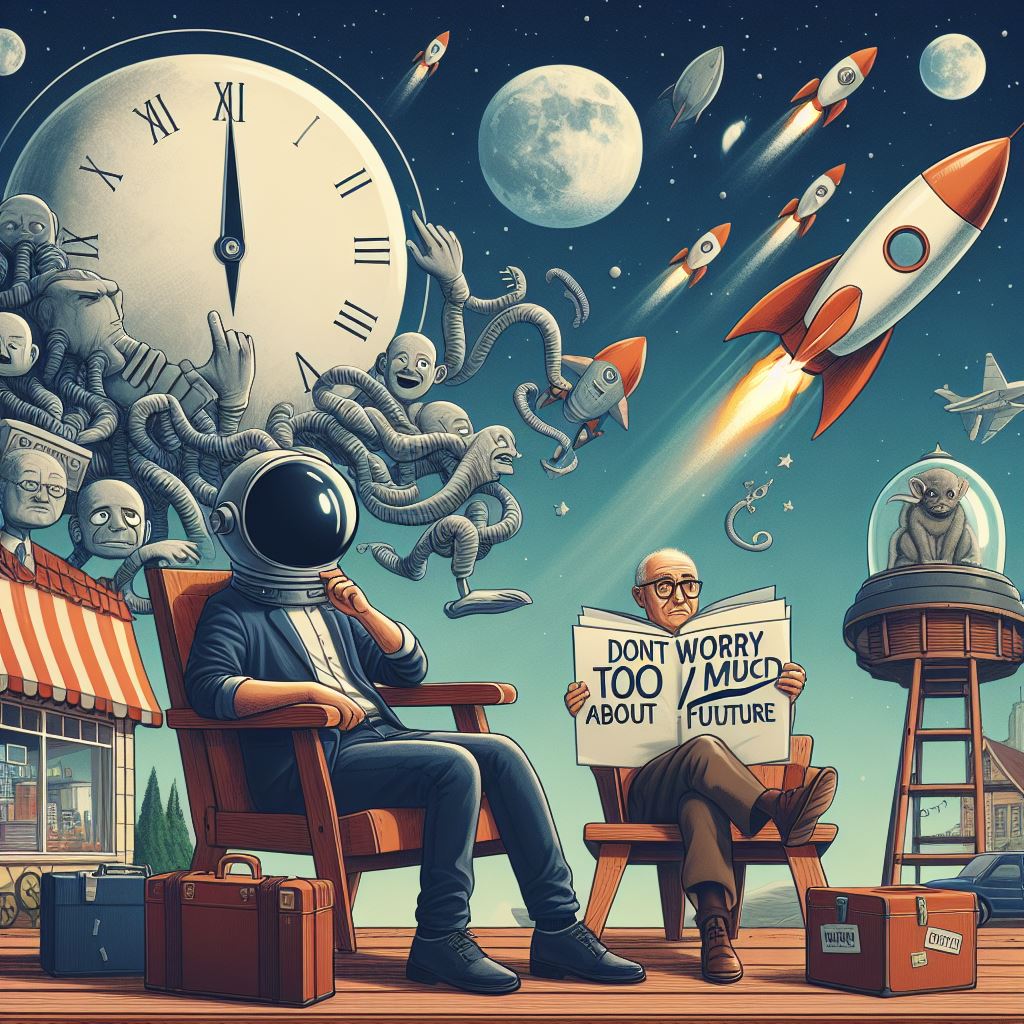
    Don't worry too much about the future

    Most people worry too much about their future. 

    Whereas we should try to live in the present and not worry about what will happen tomorrow.


    It's important to strike a balance between planning for the future and living in the present. 

    While it's true that excessive worry about the future can detract from enjoying the present moment, some level of future planning can be beneficial for setting goals and achieving them. 

    Finding that balance allows us to appreciate the present while still preparing for what lies ahead.

    In the modern world, the balance between living in the present and planning for the future can often seem elusive. 

    On one hand, there's the constant pressure to secure our future, to plan meticulously, and to anticipate every possible outcome. 

    On the other hand, there's the desire to savor the here and now, to immerse ourselves fully in the present moment and not let worries about tomorrow overshadow our experiences today. 

    Striking this balance is essential for our mental well-being and overall happiness.

    The Dangers of Excessive Worry about the Future

    While some level of future planning is necessary for setting goals and making progress in life, excessive worry about the future can be detrimental to our mental health and overall quality of life. 

    When we constantly dwell on what might happen tomorrow, we rob ourselves of the joy and fulfillment that can be found in the present moment.

    Excessive worry can lead to anxiety, stress, and even depression. 

    It can cause us to become preoccupied with potential problems and obstacles, making it difficult to appreciate the beauty and wonder of life as it unfolds around us. 

    Moreover, excessive worry can be paralyzing, preventing us from taking action or pursuing our dreams because we're too afraid of what the future might hold.

    Finding Balance: Psychology and Behavioral Change

    Psychology offers various strategies and techniques to help individuals break free from the cycle of excessive worry and find a healthier balance between planning for the future and living in the present.

    Mindfulness and Meditation: Mindfulness practices, such as meditation, teach us to focus our attention on the present moment and cultivate an awareness of our thoughts and feelings without judgment. 

    By practicing mindfulness regularly, we can learn to let go of worries about the future and fully engage with what is happening here and now.

    Cognitive Behavioral Therapy (CBT): CBT is a widely used therapeutic approach that helps individuals identify and challenge negative thought patterns and beliefs. 

    By learning to recognize and reframe anxious thoughts about the future, we can reduce our overall level of worry and anxiety.

    Gratitude Practice: Cultivating a practice of gratitude involves regularly reflecting on the things we're thankful for in our lives. 

    This can help shift our focus away from worries about the future and towards appreciation for the blessings we have in the present moment.

    Setting Boundaries: Learning to set boundaries and prioritize self-care is crucial for managing stress and preventing burnout. 

    By establishing limits on how much time and energy we dedicate to worrying about the future, we can create space for relaxation, enjoyment, and meaningful connections with others.

    Spiritual Approaches to Embracing the Present Moment

    In addition to psychological techniques, many spiritual traditions offer wisdom and practices that can help individuals cultivate a deeper sense of presence and acceptance in their lives.

    Yoga and Tai Chi: These ancient practices combine physical movement with breath awareness and meditation to promote relaxation, mindfulness, and a sense of inner peace. 

    By practicing yoga or Tai Chi regularly, we can learn to quiet the mind and inhabit our bodies more fully, thus reducing worries about the future.

    Mindful Walking or Nature Connection: Spending time in nature and engaging in activities like mindful walking can help us reconnect with the natural world and ground ourselves in the present moment. 

    Nature has a way of reminding us of the cyclical nature of life and the importance of being present to fully experience its beauty and wonder.

    Spiritual Mindfulness: Many spiritual traditions emphasize the importance of being present and surrendering to the flow of life. 

    By letting go of attachment to outcomes and trusting in a higher power or universal intelligence, we can find peace and serenity in the midst of uncertainty about the future.

    Tips and Tricks for Living in the Present Moment

    In addition to psychological and spiritual approaches, there are many practical tips and tricks that can help individuals worry less about the future and embrace the present moment.

    Limit Exposure to Negative News: Constantly consuming negative news and media can contribute to feelings of anxiety and pessimism about the future. 

    Limiting your exposure to news and social media can help reduce worry and improve your overall mental well-being.

    Practice Self-Care Activities: Engaging in activities that bring you joy, whether it's reading, painting, gardening, or spending time with loved ones, can help you stay grounded and present in the moment.

    Focus on What You Can Control: Instead of fixating on things that are beyond your control, focus your energy on taking positive actions and making meaningful choices in the present moment.

    Seek Support: If worries about the future become overwhelming, don't hesitate to reach out to friends, family, or a mental health professional for support and guidance.

    What People Search and Their Answers

    When it comes to worries about the future, people often turn to the internet in search of answers and solutions. 

    Some common search queries related to this topic include:

    How to stop worrying about the future?

    Practice mindfulness: Bring your focus to the present moment through mindfulness meditation or simply by paying attention to your breath, sensations, and surroundings.

    Challenge negative thoughts: Recognize and challenge catastrophic thinking patterns by questioning the validity of your worries and reframing them in a more realistic light.

    Set aside worry time: Designate a specific time each day to address your worries, allowing yourself to focus on them constructively rather than letting them consume your thoughts throughout the day.

    Engage in relaxation techniques: Incorporate relaxation techniques such as deep breathing, progressive muscle relaxation, or yoga to help calm your mind and alleviate physical tension associated with worry.

    Take action: Identify concrete steps you can take to address potential concerns about the future, and focus your energy on taking proactive measures rather than ruminating on hypothetical scenarios.

    Tips for living in the present moment.

    Practice gratitude: Cultivate a habit of regularly acknowledging and appreciating the positive aspects of your life, no matter how small, to foster a sense of contentment and presence.

    Engage your senses: Bring your attention to the present moment by fully experiencing your surroundings through your senses—notice the sights, sounds, smells, tastes, and textures around you.

    Limit distractions: Minimize multitasking and screen time to allow yourself to fully immerse in whatever activity you're engaged in, whether it's work, conversation, or leisure.

    Embrace mindfulness activities: Participate in activities that promote mindfulness, such as meditation, mindful walking, or mindful eating, to cultivate greater awareness and appreciation of the present moment.

    Let go of judgment: Practice non-judgmental awareness of your thoughts, feelings, and experiences, accepting them as they are without attaching labels of good or bad.

    Ways to overcome anxiety about the future.

    Challenge irrational beliefs: Identify and challenge irrational beliefs or cognitive distortions that contribute to your anxiety about the future, replacing them with more rational and balanced perspectives.

    Develop coping strategies: Learn and practice coping strategies such as deep breathing, visualization, or progressive muscle relaxation to manage acute anxiety symptoms when they arise.

    Seek professional help: Consider seeking support from a mental health professional, such as a therapist or counselor, who can provide personalized guidance and interventions to help you manage your anxiety.

    Engage in self-care: Prioritize self-care activities that promote relaxation, stress reduction, and overall well-being, such as regular exercise, adequate sleep, healthy nutrition, and leisure activities.

    Focus on the present: Redirect your attention to the present moment whenever you find yourself ruminating on future uncertainties, using mindfulness techniques to anchor yourself in the here and now.

    How to find balance between planning for the future and enjoying the present?

    Set clear goals: Establish short-term and long-term goals that reflect your aspirations and values, allowing you to plan for the future while providing direction and purpose in the present.

    Prioritize tasks: Identify tasks and responsibilities that require immediate attention versus those that can be deferred, striking a balance between addressing current needs and planning for future objectives.

    Practice time management: Allocate time for both future-oriented tasks, such as goal-setting and strategic planning, and present-focused activities, such as relaxation, recreation, and spending time with loved ones.

    Cultivate flexibility: Remain open to adapting your plans and goals as circumstances change, recognizing that life is inherently unpredictable and that flexibility is essential for maintaining balance and resilience.

    Practice gratitude: Cultivate an attitude of gratitude for the blessings and opportunities in your life, acknowledging the beauty and richness of the present moment while working towards future aspirations.

    The answers to these queries often echo the strategies and approaches outlined above, emphasizing the importance of mindfulness, self-care, and seeking support when needed.

    In conclusion, finding a balance between planning for the future and living in the present is essential for our mental health and overall well-being. 

    While it's natural to have concerns about what lies ahead, excessive worry can detract from our ability to fully engage with life and find joy in the present moment. 

    By incorporating psychological, spiritual, and practical strategies into our daily lives, we can learn to worry less about the future and embrace each moment with gratitude, mindfulness, and resilience.

    Qualities of an Ideal Boyfriend


    Crafting the Perfect Partner: Qualities of an Ideal Boyfriend

    In the realm of romantic relationships, finding an ideal boyfriend is a pursuit many individuals embark upon. 

    While the concept of an "ideal" partner may vary from person to person, certain qualities tend to be universally cherished. 

    In this comprehensive guide, we delve into the traits, characteristics, and behaviors that define the ideal boyfriend. 

    From communication skills to emotional intelligence, we explore the essential elements that contribute to a fulfilling and harmonious relationship.

    Understanding Communication:

    Effective communication serves as the cornerstone of any successful relationship. 

    An ideal boyfriend demonstrates the ability to listen attentively, express thoughts and feelings openly, and engage in meaningful dialogue. 

    Whether it's discussing aspirations, navigating conflicts, or simply sharing daily anecdotes, communication lays the groundwork for connection and understanding. 

    Moreover, effective communication fosters trust, encourages vulnerability, and strengthens the emotional bond between partners.

    Empathy and Understanding:

    Empathy, the capacity to understand and share the feelings of another, is a fundamental trait in the ideal boyfriend. 

    By empathizing with their partner's experiences, emotions, and perspectives, they demonstrate compassion, validation, and support. 

    Whether celebrating triumphs or comforting during challenges, an empathetic boyfriend offers unwavering understanding and a safe space for emotional expression. 

    This fosters intimacy, deepens connection, and cultivates a sense of belonging within the relationship.

    Respect and Equality:

    Respect forms the bedrock of a healthy and balanced relationship. An ideal boyfriend values their partner's autonomy, opinions, and boundaries, recognizing them as equals in the partnership. 

    They refrain from belittling, controlling, or dismissing their partner's thoughts and emotions. 

    Instead, they cultivate mutual respect, honor individual differences, and celebrate each other's strengths. 

    Through equitable decision-making and shared responsibilities, they foster a partnership built on trust, reciprocity, and mutual admiration.

    Supportive and Encouraging:

    In the journey of life, having a supportive partner can make all the difference. 

    An ideal boyfriend stands by their partner through triumphs and tribulations, offering unwavering encouragement, and unwavering support. 

    Whether pursuing career aspirations, personal goals, or navigating life's challenges, they serve as a steadfast cheerleader, offering motivation, guidance, and a shoulder to lean on. 

    Their belief in their partner's potential fuels confidence, resilience, and personal growth within the relationship.

    Sense of Humor and Fun:

    Laughter is indeed the best medicine, especially in the context of romantic relationships. 

    An ideal boyfriend infuses the relationship with joy, playfulness, and lightheartedness through their sense of humor and spontaneity. 

    They relish in shared jokes, playful banter, and adventurous escapades, creating cherished memories and strengthening the bond between partners. 

    Their ability to find humor in everyday situations fosters resilience, reduces stress, and enhances the overall quality of the relationship.

    Trustworthiness and Dependability:

    Trust serves as the cornerstone of a secure and lasting relationship. 

    An ideal boyfriend consistently demonstrates integrity, reliability, and honesty in their words and actions. 

    They honor their commitments, uphold promises, and prioritize transparency in their interactions. 

    By fostering a climate of trust, they lay the foundation for emotional security, intimacy, and long-term stability within the relationship. 

    Their unwavering trustworthiness instills confidence, peace of mind, and a sense of reassurance in their partner.

    Adaptability and Compromise:

    Flexibility and compromise are essential skills in navigating the complexities of a romantic relationship. 

    An ideal boyfriend demonstrates adaptability in the face of challenges, willing to adjust their expectations, behaviors, and perspectives to accommodate their partner's needs. 

    They engage in open dialogue, negotiate differences, and seek mutually beneficial solutions to conflicts or disagreements. 

    Through compromise, they foster harmony, understanding, and a sense of partnership within the relationship.

    Emotional Intelligence:

    Emotional intelligence, the ability to recognize, understand, and manage one's own emotions, as well as those of others, is a hallmark of the ideal boyfriend. 

    They possess a high degree of self-awareness, empathy, and emotional regulation, allowing them to navigate relationship dynamics with grace and sensitivity. 

    Whether expressing love, navigating conflict, or providing support, they demonstrate emotional maturity, empathy, and resilience. 

    Their emotional intelligence fosters deeper connection, effective communication, and mutual growth within the relationship.

    Resilience and Commitment:

    In the face of challenges and adversities, resilience and commitment are indispensable qualities in a partner. 

    An ideal boyfriend exhibits unwavering dedication, loyalty, and perseverance in the relationship, even during times of uncertainty or difficulty. 

    They weather storms together, confront obstacles head-on, and emerge stronger as a team. 

    Through their resilience and commitment, they nurture a bond that withstands the test of time, fostering a deep sense of security, love, and companionship.

    In the pursuit of an ideal boyfriend, it's essential to recognize that perfection is subjective and multifaceted. 

    While no one person can embody all traits flawlessly, the qualities outlined in this guide serve as a roadmap for cultivating a fulfilling and harmonious relationship. 

    From effective communication to emotional intelligence, empathy to resilience, the ideal boyfriend embodies a blend of qualities that nurture connection, foster growth, and create lasting happiness in the journey of love.


    Qué es edema

    El edema es una acumulación anormal de líquido en los tejidos del cuerpo, lo que causa hinchazón y aumento del volumen de la zona afectada. 

    Esta retención de líquido generalmente se produce en el espacio entre las células y puede ocurrir en diversas partes del cuerpo, como las piernas, los tobillos, los brazos, el abdomen o los pulmones.

    Las causas del edema pueden variar y pueden estar relacionadas con condiciones médicas subyacentes, como insuficiencia cardíaca, enfermedades renales, enfermedades hepáticas, lesiones, inflamación, alergias, trastornos circulatorios o incluso el uso de ciertos medicamentos. 

    El edema también puede ser un síntoma de otras enfermedades.

    El edema puede manifestarse como hinchazón, sensación de pesadez en la zona afectada, aumento de la circunferencia, y, en algunos casos, puede ser doloroso. 

    El tratamiento del edema depende de su causa subyacente y puede incluir cambios en la dieta, el uso de medicamentos, o el manejo de la enfermedad subyacente. 

    Si experimentas edema o hinchazón inusual, es importante consultar a un profesional de la salud para una evaluación adecuada y un diagnóstico preciso.

    Egosurfing: Pros and Cons


    Egosurfing, also known as vanity searching, is the practice of searching for your own name or online presence on the internet, typically using search engines like Google or social media platforms. 

    The term "ego" in egosurfing implies that individuals engage in this activity to satisfy their desire for self-validation or to boost their self-esteem by tracking what is being said about them online. 

    It has become increasingly popular in the age of the internet, social media, and online self-presentation.

    Here is a detailed explanation of egosurfing, why people do it, its pros and cons, whether it's necessary or can be avoided, and its potential psychological effects:
    Book & Save: Tiqets Kiwi GetYourGuide Amazon
    Advertisement
    AI Advisor — Ask me anything
    Stays active all session
    Hi! Ask me about travel, immigration, Spain, India, or any topic on Latestfoto.com. I find posts, affiliate deals, and follow-up questions for you.
    Best places in Spain? Cheap flights Madrid US immigration 2026 India travel guide Free tours Europe
    ✨ Free AI Skin Analysis! Try Now →

    Flight

    ✈️ Flight Deals

    Error fares & cheap flights — updated daily

    Loading flight deals…

    _________________
    facebook

    Featured Post

    Playa de Berria Beach in Spain

    Playa de Berria Cantabria's Pristine Coastal Treasure Playa de Berria, located in the charming coastal town of Laredo in eastern Cantab...

    Last 30 days' visitors

    AI Advisor
    AI Advisor

    Look what is published:

    Try Desktop
    Purchase from

    chat

    Ask a Question

    Enhance Your Success with Increased Visitor Engagement!
    Ready to leave your mark? Partner with us and witness your business flourish!

    7 Days-Popular Articles


    How to Find Articles Relevant to Your Interest.

    Top Internet Search Topics.

    Join Our Writing Community!

    🚀✍️ Embrace your passion for words and turn your free time into an exciting writing adventure & earning! Collaborate with us and elevate your writing game. 🌟

    🚀✍️ Explore the world of guest writing and enjoy the added bonus of a backlink to your blog. Let's create captivating content together! 🌟

    Scan QR code. Buy me a coffee.

    Enjoying This Website?

    Give Us Your Vote!

    Follow Us on Facebook

    Follow Us on Facebook

    Follow Us Now!

    Buy & Sell Your Video

    Have an interesting video? Earn money by sharing it with us.

    Learn a Language for Travel, PR, or Citizenship

    Offer Your Own Language
    -------------------------
    See More. Do More. Share More.
    Join Our Newsletter

    Get exclusive discounts & travel tips straight to your inbox.

    Please type this word to confirm you're human:

    © Latestfoto.com — Questions. Curiosity. Discoveries.