Why Flights Avoid Flying Over Tibet

Why Flights Avoid Flying Over Tibet

Have you ever studied a live flight tracker and wondered why planes traveling between Europe and Asia take long detours around Tibet instead of flying straight over it? It seems like a direct path would save time and fuel. In reality, this vast high-altitude region creates unique challenges for airlines. From safety risks to restricted airspace, there are many reasons why pilots and airlines deliberately avoid Tibetan skies. Understanding these factors gives us a glimpse into the complex planning behind every commercial flight route.

The Unique Geography of the Tibetan Plateau

The Tibetan Plateau is often called the "Roof of the World" because it stands higher than any other region on Earth. Most of its terrain is above 4,500 meters (15,000 feet). In aviation, high terrain is more than just scenery—it becomes a crucial consideration during emergencies. Modern jets cruise at altitudes around 35,000 feet, but if cabin depressurization happens, pilots must quickly descend to about 10,000 feet, where passengers can safely breathe using supplemental oxygen masks. Over Tibet, there simply isn’t enough vertical space between cruising altitude and the ground to achieve this descent safely.

This terrain limitation dramatically increases the risk of hypoxia—when passengers and crew suffer from oxygen deprivation. Even with oxygen masks, prolonged exposure to low atmospheric pressure can cause dizziness, confusion, or unconsciousness in minutes. For this reason alone, airlines prefer to route flights over areas where safe emergency descents are possible.

Why Diversion Airports Matter

Emergency landing sites are another major factor in flight route planning. The Tibetan region lacks large, well-equipped airports suitable for diversions, especially for wide-body aircraft. While a few airports exist, many have short runways, limited fuel supplies, or minimal emergency services. In an engine failure, fire, or medical crisis, the inability to land safely could have life-threatening consequences. Airlines and regulatory agencies therefore favor routes that maintain proximity to established diversion airports with reliable infrastructure.

Weather and Turbulence Risks

Tibet’s weather is among the most unpredictable on Earth. The Himalayas create powerful wind currents and sudden turbulence. In winter, temperatures can plummet to -60 degrees Celsius at cruising altitude. These factors are difficult to forecast accurately and increase the risk of structural stress or injury to passengers. Even with modern technology, pilots prefer to avoid regions where turbulence is more severe and sudden. As a result, flight planners often choose northern or southern corridors where weather patterns are better understood and air traffic control support is stronger.

Regulatory and Airspace Restrictions

Another important consideration is the political environment. Chinese authorities control Tibetan airspace and historically restricted overflights for security reasons. While some regulations have eased, airspace permissions can still be unpredictable or limited. Flights passing through these controlled corridors must comply with specific requirements, which adds operational complexity and potential delays. For major international carriers, it is often simpler and safer to avoid the area entirely rather than risk last-minute reroutes or denials.

Aircraft Performance at High Altitudes

High-altitude terrain also affects engine performance. At cruising levels, air is thinner, and engines produce less thrust. If a plane needs to climb after takeoff or maneuver to avoid weather, the margin for performance is narrower over Tibet. While modern jets like the Boeing 787 and Airbus A350 have advanced systems to optimize high-altitude flying, the combination of reduced engine power and minimal emergency landing options remains a concern. For this reason, airlines integrate detailed performance data into their flight planning and often select more forgiving routes over lower terrain.

Environmental Considerations of Overflights

In addition to safety, there are environmental reasons for avoiding Tibetan airspace. The region is home to fragile ecosystems sensitive to noise and pollution. Although overflying jets are thousands of feet above, their emissions can still contribute to local climate changes and impact sensitive wildlife habitats. International environmental agreements encourage airlines to minimize traffic over such areas where possible. These considerations align with broader efforts in the aviation industry to reduce ecological impacts while maintaining efficient operations.

Comparison to Other High-Latitude Routes

Interestingly, airlines routinely fly over other remote, cold regions such as Alaska, Greenland, and northern Canada. So why are those routes acceptable? The key difference is that those areas offer safer emergency options. For example, in the North Atlantic, there are established emergency airfields and more predictable weather patterns. Air traffic control and search-and-rescue resources are also better developed. By contrast, Tibet lacks comparable infrastructure, making it far riskier in an emergency.

Pilot Insights and Anecdotes

Many pilots share stories about planning around Tibet during their long-haul flights. One retired captain noted that any route skirting the Himalayas required extra fuel reserves and contingency plans. Even seasoned aviators prefer predictable routes where support is readily available. While pilots train for emergencies in simulators, they consistently agree that minimizing exposure to the Tibetan Plateau reduces complexity and improves overall safety.

Trending Questions About Flights Over Tibet

  • Why do planes avoid flying over Tibet and the Himalayas? – The combination of high terrain, unpredictable weather, limited emergency airports, and airspace restrictions makes it too risky.
  • Is it illegal to fly over Tibet? – No, but permissions are required and subject to change. Most airlines avoid the regulatory complexities.
  • Do any flights cross Tibet? – Some domestic Chinese flights and military operations do, but international commercial airlines largely avoid it.
  • Can new technology make it easier to fly over Tibet? – Possibly. Improved oxygen systems, satellite navigation, and better infrastructure could make overflights safer in the future.

Future Prospects for Overflying Tibet

As aviation technology continues to evolve, some of these challenges may lessen over time. Enhanced satellite-based navigation, real-time weather monitoring, and more robust cabin oxygen systems could eventually reduce the risks of flying over Tibet. Additionally, China’s continued investment in infrastructure may lead to the development of more capable airports that can serve as diversions. However, for the foreseeable future, airlines will likely continue to favor established corridors that offer proven safety advantages.

How This Affects Your Travel

For travelers, the decision to avoid Tibet generally goes unnoticed. The small increase in flight time is often offset by stronger tailwinds and efficient routing over the poles or southern Asia. Passengers benefit from improved safety, smoother flights, and better contingency planning. This commitment to safety is why the aviation industry has earned its reputation as the safest form of long-distance travel.

Final Thoughts

The avoidance of Tibet in commercial flight operations is a compelling example of how airlines balance efficiency, safety, and environmental responsibility. While it might look inefficient on a map, routing around this high-altitude region reflects decades of operational experience and technological advancement. From cabin depressurization risks to limited emergency airports, the factors behind these decisions are complex and interrelated. Next time you board a long-haul flight, remember that countless hours of planning ensure you arrive at your destination safely—even if it means taking the long way around.

If you enjoyed this article and want to learn more about the fascinating world of aviation, safety protocols, and international flight routes, don’t miss our exclusive resources and guides designed for curious travelers and aviation enthusiasts.

Discover Exclusive Travel Deals and Offers

20 Unique Product Ideas

20 Unique Product Ideas
  1. Customized Traditional Outfits for Foreign Markets – Indian ethnic wear tailored to Western sizing for the diaspora.
  2. "Kitchen to Door" Desi Organic Packs – Homemade masalas, pickles, sweets with subscription delivery.
  3. Handwritten Letters or Stories on Demand – Romantic or motivational letters on handmade paper.
  4. Barefoot-Friendly Handmade Footwear – Natural fiber sandals for eco-conscious or spiritual audiences.
  5. "Cultural Mystery Boxes" – Monthly themed boxes with regional Indian crafts, snacks, and stories.
  6. Zero-Waste Travel Essentials – Bamboo kits, reusable bags, eco toiletries for conscious travelers.
  7. Astrology + Handmade Jewelry Combo – Gemstone-based jewelry designed from birth chart data.
  8. Local Wall Art of Small Towns – Prints and paintings of lesser-known scenic Indian towns.
  9. Cow Dung-Based Eco Products – Dhoop, diyas, and floor cleaners made from cow dung for religious or eco buyers.
  10. Ayurvedic Products by Local Vaids – Traditional remedies from rural practitioners in branded packs.
  11. Embroidery or Patch Kits with Regional Motifs – DIY kits featuring Indian needlework styles.
  12. Regional Language Kids Books – Bilingual children’s books for NRIs and language learners.
  13. "Gift a Skill" Cards – Giftable cards redeemable for artisan-led online classes.
  14. Temple Prasad Subscription – Monthly delivery of prasad from rotating Indian temples.
  15. Bamboo Toys or Montessori Kits Made in Villages – Handmade educational toys with natural materials.
  16. Mini Musical Instruments – Tabla, flute, sitar replicas for decor or gifting.
  17. Products from Jail/Prison Crafts – Ethically made goods from Indian correctional institutions.
  18. "Rent a Storefront" for Local Merchants – Small public product pages for ₹199/month.
  19. "WhatsApp Shop Manager" – A WhatsApp-based seller service with managed product listings.
  20. "Made-to-Order by Artisans" – Sustainable, on-demand production model to reduce waste.
If you are interested to explore any of these ideas for business 
or purchase a product 
or need/want to become a service provider such as WhatsApp Shop Manager, 
you can contact us. 

Sitare Zameen Par vs Campeones MOVIE REVIEW| Girish

Sitare Zameen Par, Aamir Khan’s 2025 movie, is an Indian adaptation of the Spanish film Campeones. As a Hindi remake of Campeones, it tries to carry forward the heart and soul of the original while tailoring it to the Bollywood audience. But does it succeed?

As someone who enjoys inclusive cinema and inspiring movies based on disabilities, I was curious to see how this Bollywood remake of Campeones would play out. While the intent is noble and the message important, the overall execution felt somewhat dramatized and less organic than the original.

Campeones is a beautiful example of subtle storytelling. It thrives on genuine performances and a grounded narrative. Every laugh and every tear felt earned. In contrast, Sitare Zameen Par leans into melodrama, trying a little too hard to make the audience feel.

This emotional Bollywood drama certainly has its high points. Aamir Khan is charismatic as always, and the supporting cast gives decent performances. The film has moments that will make you smile, moments that will move you, and moments that feel a bit stretched.

As an inspiring movie based on disabilities, Campeones set a high bar. It normalized neurodivergence without pity or preachiness. Sitare Zameen Par, on the other hand, often frames the characters with a lens of sympathy, which slightly undercuts the message of inclusion.

That said, the film is not without merit. If you haven’t seen Campeones, you might actually enjoy Sitare Zameen Par as a standalone movie. It’s got heart, humor, and a dash of Bollywood flair. But if you’ve seen the original, the comparisons are inevitable—and not always flattering.

Would I watch Sitare Zameen Par again? Honestly, not alone. It doesn’t have that rewatchable charm. But if I were with someone—maybe introducing them to the topic of inclusive sports or differently-abled athletes—I’d consider watching it with them.

My Final Rating: 3.5 out of 5

This review is part of my collection of inclusive cinema reviews—films that try to do more than just entertain. While Sitare Zameen Par doesn’t quite reach the emotional depth of Campeones, it’s still a well-intentioned effort that deserves one viewing.

Watch The Full Review:

Click play on the video above to watch my full review. I break down how both films approach storytelling, character arcs, and emotional depth. It's not just a Campeones movie comparison; it’s a reflection on how stories change when they cross cultures.

Conclusion:

Both films aim to inspire and celebrate human potential. But where Campeones connects through simplicity and realness, Sitare Zameen Par sometimes tries too hard to be heartfelt. Still, as an emotional Bollywood drama, it has a place. And as a viewer who appreciates inspiring movies based on disabilities, I recognize the attempt—however imperfect it might be.

Let me know what you think. Did Sitare Zameen Par move you more than Campeones? Would you watch it again?

Fiestas de San Juan 2025 Valladolid

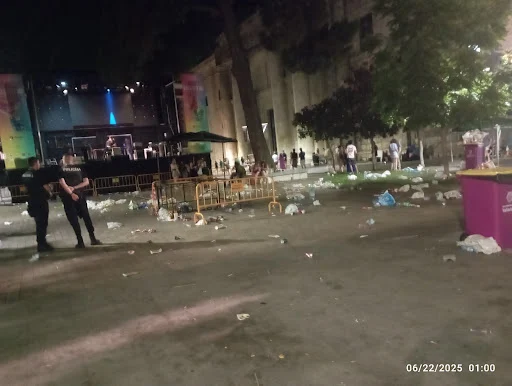
🗓️ Lunes 23 de junio de 2025 – desde las 19:50 h hasta las 3:00 h del martes 24

🎉 Programa de la Noche de San Juan en Valladolid
La noche más mágica del año se vivirá en la playa fluvial del Pisuerga con una gran fiesta que comenzará a las 19:50 h. DJs de la ciudad, junto con artistas y grupos invitados, animarán la velada con música y espectáculos en directo.

🔥 A medianoche (00:00 h del 24 de junio)
Como es tradición, se encenderá la gran hoguera de San Juan, preparada por el Servicio Municipal de Extinción de Incendios, Salvamento y Protección Civil, iluminando la noche en un ambiente festivo junto al río.

🎶 Música, luces y ambiente hasta las 3:00 h

La celebración continuará con ritmo y energía hasta bien entrada la madrugada. 

Strait of Hormuz

Why the Strait of Hormuz Is Always Important  

Why the World Is Watching Now

The Strait of Hormuz has been one of the most strategic maritime chokepoints in the world for decades. But in 2025, its relevance has taken on renewed urgency, raising global concerns. If you’ve ever wondered why the Strait of Hormuz matters so much to the world economy, oil prices, and international politics, you're not alone. This article presents detailed its historic and modern-day importance, current tensions, and what alternatives exist for global trade routes.

Map of the Strait of Hormuz showing oil transit routes

What Is the Strait of Hormuz?

The Strait of Hormuz is a narrow waterway, just 21 miles wide at its narrowest point, located between the Persian Gulf and the Gulf of Oman. It separates Iran to the north from the United Arab Emirates and Oman to the south. Despite its small width, it plays an outsized role in international maritime logistics.

This narrow passage connects the massive oil fields of the Middle East to the rest of the world, making it a vital artery in the global energy system. It is often described as the "jugular vein of the global oil supply."

Why Is the Strait of Hormuz So Important?

  • Energy Transit Hub: Around 20% of the world’s oil passes through the Strait of Hormuz—more than 18 million barrels per day.
  • Global Shipping Route: It is one of the busiest shipping lanes in the world for oil, natural gas, and petroleum-based products.
  • Geopolitical Flashpoint: The Strait lies at the center of one of the most volatile regions on Earth, the Middle East.
  • Limited Alternatives: Few viable options exist for rerouting such a vast volume of oil if the Strait were blocked or attacked.

Due to these factors, the Strait of Hormuz has been a strategic chessboard for superpowers and regional players alike.

Strait of Hormuz in 2025

Why It’s Back in Global Headlines

Recently, the Strait of Hormuz has returned to the global spotlight. A combination of geopolitical instability, military posturing, and increased naval activity has escalated tensions. Here's why:

1. Rising Tensions Between Iran and Western Powers

Iran has historically threatened to block the Strait in response to Western sanctions. In 2025, ongoing disputes over nuclear policy and oil export controls have once again ignited fears of closure.

2. Attacks on Commercial Tankers

Several recent attacks on oil tankers passing through the Strait have sparked global alarm. Though responsibility has not been definitively proven, fingers have pointed toward Iranian-backed groups, adding further pressure to an already strained environment.

3. Increased Military Presence

Naval deployments from the United States, the UK, and regional Gulf states have turned the Strait into a heavily militarized zone. Military exercises, drone surveillance, and warship traffic have all increased.

4. Oil Price Volatility

Whenever the Strait is threatened, oil prices spike. This is because any disruption in this key route can impact global supply chains, from Asia to Europe to North America.


Economic and Energy Impact

Why the World Should Care

The global economy is still significantly reliant on fossil fuels. Countries like China, India, Japan, and even the European Union import large quantities of oil that pass through the Strait of Hormuz.

If this route were to be blocked or compromised for even a few days, the resulting shockwaves would be felt in:

  • Fuel Prices: Gasoline and diesel prices would surge worldwide.
  • Inflation: Rising energy costs would trigger inflationary pressures across economies.
  • Supply Chains: Delays in oil and gas shipments would disrupt manufacturing and transportation globally.

This is why insurance premiums for tankers operating in the region have also increased dramatically.

Are There Alternatives to the Strait of Hormuz?

Given the Strait’s critical nature, multiple nations and companies have looked for alternative routes to reduce dependency. Let’s look at the most feasible options:

1. The East-West Pipeline (Saudi Arabia)

Saudi Arabia built the East-West Pipeline (Petroline) to bypass the Strait entirely. It allows oil to be transported from the Eastern Province to the Red Sea port of Yanbu. However, its capacity is limited—roughly 5 million barrels per day, a fraction of what the Strait handles.

2. UAE's Fujairah Port

The United Arab Emirates developed a pipeline from Abu Dhabi to the port of Fujairah, located outside the Strait. It helps export oil without transiting the chokepoint but still doesn’t come close to replacing Hormuz in volume.

3. Potential Overland Routes Through Iraq or Turkey

Though theoretically viable, these alternatives are fraught with their own geopolitical risks and logistical challenges. Turmoil in Iraq and strained relations between Turkey and other nations make this a complicated option.

In short, there is no full substitute for the Strait of Hormuz, making it a constant point of strategic interest.

The Role of Technology and Diplomacy

Satellite monitoring, maritime drones, and real-time shipping data are now used to track tanker movements and potential threats in the Strait. Meanwhile, diplomatic efforts continue to stabilize the region. The United Nations, EU, and regional coalitions are all working behind the scenes to keep the Strait open and secure.

Environmental Risks

In the event of a naval confrontation or tanker destruction, the environmental consequences could be devastating. Oil spills in such a confined marine area would impact marine biodiversity, local fisheries, and even the Gulf's tourism industries.

Why It Matters to the Average Person

You might not live near the Middle East, but if you drive a car, use plastics, or rely on global supply chains, the Strait of Hormuz matters to you. Any disruption could mean higher gas prices, more expensive flights, or increased costs for everyday goods. In a globally connected world, a small waterway 3,000 miles away affects your local economy directly.

Conclusion

Strait of Hormuz Is Small But Mighty

As we move through 2025 and beyond, the Strait of Hormuz remains a critical geopolitical pressure point. Its control, safety, and stability are essential for global energy security and economic well-being. Despite efforts to create alternatives, no other route currently matches its scale and strategic placement.

Governments, corporations, and citizens alike should stay informed about what happens in this tiny waterway. Because, as history has shown us time and again, the Strait of Hormuz is where small moves make global waves.

Search:

  • Strait of Hormuz importance
  • global oil supply routes
  • Middle East shipping lane
  • Iran Strait threat
  • alternatives to Strait of Hormuz
  • energy chokepoints 2025
  • why Strait of Hormuz matters
  • Gulf tensions oil
  • oil prices Middle East
  • maritime trade security

If you're interested in tracking updates about this topic, consider bookmarking our website or following our latest geopolitical analysis at Latestfoto.com.

📌 Call to Action: Want to advertise your global policy, oil & gas, or defense-related brand? Click here to place your ad in this article or reach out for sponsored content opportunities.

Día Mundial de la Música Programa en Valladolid 2025

El día 21 de junio de 2025 será el...

Día Mundial de la Música

El Día Mundial de la Música celebrado cada 21 de junio en Valladolid: https://www.youtube.com/playlist?list=PL_0vgDpIQQybPJWX2pCaZRlyrng8R3-p0

*PROGRAMA DÍA DE LA MÚSICA*

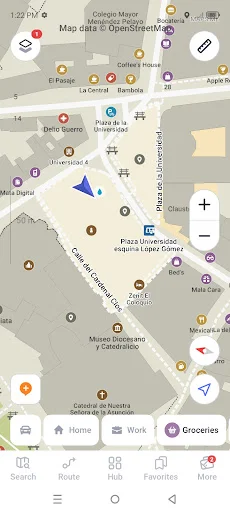
Plaza de la Universidad

11:55h – Zhoe Vall y Héctor Pariente.
12:35h – Los Sanguíneos.
13:15h – Sin trastes.

Plaza del Biólogo José Antonio Valverde (Pajarillos)

12:00h – El Bloco Feroz.

Plaza de España

18:00h - Pilar Castell y José Luis Carrasco.
18:50h – Patri Linares.
19:40h – Carol Blanco.
20:30h – Javier Trovatore.
21:20h – Escola Sambulé Batucada.
22:10h – El hombre del traje.

Plaza del Portugalete

18:00h – Tasty Roots.
18:50h – Rosewood.
19:40h – Contrabancos.
20:30h – Mr. Mushrrom.
21:20h – The Diopters.
22:10h – Caballero y Las Sonrisas.
Plaza de Federico Wattenberg

18:00h – Sergius Black.
18:50h – Arevir.
19:40h – Binomio Nómada.
20:30h – David de Andrés.
21:20h – Little Indian Rabbits 4.0.
22:10h – KO técniko.

C/Francisco Zarandona (Mercado del Val)

18:00h – Ennys.
19:00h – Isabel Muñoz.
20:00h – Julio Zé.
21:00h – Salto Base.
22:00h – ChurchillDJ.

C/Solanilla

18:00h – Los As.
18:50h – Arowana.
19:40h – Murdock.
20:30h – Camisa de cuadros.
21:20h – Señoras que tocan instrumentos (SKTI).
22:10h – José Carreño Banda.

Plaza del Salvador

18:00h – Los flekis.
19:00h – Deseo Blinsen.
20:00h – Nati Benavente.
21:00h – Flying Cactus.
22:00h – El Quartito.

Plaza de la Danza (Vadillos)

18:00h – Marc.
18:50h – Undercover.
19:40h – Ashra.
20:30h – Alphas 470.
21:20h - Ceseerre.
22:10h – Diamantes negros.

Plaza del Campillo

18:00h – Neon Nightmares.
19:00h – Fracción ddp.
20:00h – Finnegan’s Dream.
21:00h – Pan with The Manteca & The Pimens.
22:00h – Cianóticas Perdidas.
Plaza del Everest (Pinar de Jalón)

18:00 a 23:00h. Cucumba Hi-Fi.

Calle de Santiago junto a la iglesia de Santiago.

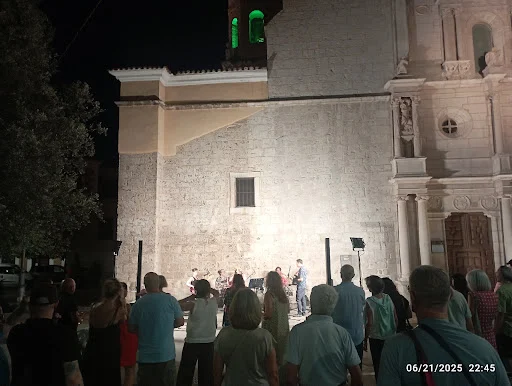
12 a 13:30h. Banda de la Escuela Municipal de Música de Valladolid (EMMVa).

Museo Patio Herreriano

21:00 h – Severine Beata y Javi Álvarez, Edu Omega e IGOR.

Palacio Real

20:15h - Concierto de la Joven Orquesta Sinfónica de Valladolid y la Coral Vallisoletana, con la dirección coral de Sara Rodríguez y la dirección artística y musical de Ernesto Monsalve.

SEO is Useless for YouTube Videos

SEO is Useless for YouTube Videos

💡 Why SEO Might Feel Useless for YouTube Videos:

  1. YouTube is NOT Google Search.

    • YouTube’s algorithm prioritizes watch time, click-through rate (CTR), engagement (likes, comments, shares), and retention, not SEO keywords.
    • SEO helps with search-based discovery, but most views come from suggested videos, home feed, or subscriptions, not search.
  2. YouTube SEO = Minor Boosts, Not Explosions.

    • Optimizing title, tags, and descriptions might only affect 5–15% of traffic unless it’s a highly searched topic.
    • The big winners are usually videos with strong engagement, not just good metadata.
  3. AB Testing Doesn’t Change the Core Video.

    • A/B testing thumbnails or titles can improve CTR, but if the content doesn’t keep people watching, the algorithm won’t push it.

✅ When SEO Does Help:

  • Evergreen content (e.g., “How to immigrate to Canada” or “Best Lisbon travel tips 2025”)
  • Niche audiences (language learners, tech reviewers, etc.)
  • Videos competing for search-heavy keywords

🎯 What Matters More Than SEO:

  1. Hook the viewer in the first 10 seconds – get to the point or deliver a story fast.
  2. Thumbnails that create curiosity – not just colorful, but emotional or intriguing.
  3. Watch time + audience retention – aim to keep viewers for at least 50% of the video.
  4. Consistency – multiple uploads on similar themes help YouTube recommend your content.

So Should You Keep Doing SEO?

Yes, but with perspective:

  • Think of SEO as a small multiplier, not the main engine.
  • Your main focus should be: CTR, audience retention, session time.
  • SEO is useful for long-term searchability, not virality.


10 Best Budget Travel Routes in Castilla y León

My Journey Through Castilla y León

10 Budget Routes You'll Love

As someone who calls Valladolid home, I’ve always believed that the heart of Spain beats strongest here in Castilla y León. Over the past few years, I’ve packed my camera, my backpack, and a sense of curiosity and hit the road to discover this vast and diverse region. Not with fancy hotels or five-star restaurants—just me, a small budget, and an open heart. The result? Countless routes, unforgettable landscapes, and the kind of moments you can’t buy with money. I share many of them on my blog latestfoto.com and on my YouTube channels LatestFotoCom and MrLatestTravel.

If you’re looking for authentic, budget-friendly travel in Spain, let me take you through 10 of my favorite travel routes in Castilla y León—routes I’ve walked, biked, filmed, and loved. Let’s go!

1. Valladolid – Medina del Campo – Tordesillas

It all started in my hometown. One cloudy morning, I took the early train to Medina del Campo, just under an hour away. The Castillo de la Mota stood stoically against the horizon, and I walked its walls imagining knights and queens. Entry was under €5, and from the tower, I filmed a panoramic shot that still gives me goosebumps. It’s on YouTube, by the way—check out the drone clip on MrLatestTravel.

From there, a short hop to Tordesillas, where I strolled along the Douro River and explored the Monastery of Santa Clara. Simple meals, friendly locals, and history on every corner—all on a shoestring budget.

2. León – Astorga – Ponferrada

León had me at “free tapas.” I stayed in a cozy hostel for €18 a night, explored the gothic cathedral, and wandered the Barrio Húmedo. Then I took a bus to Astorga—a gem of Roman and Gaudí magic. I filmed inside the Episcopal Palace, walked Roman roads, and tried cocido maragato for less than €10.

Next stop: Ponferrada. The Templar Castle here is unreal. Climbing those towers as the sun set, camera in hand, I knew I had to tell this story on my blog. You’ll find all the photos and route details at latestfoto.com.

3. Salamanca – Alba de Tormes – Ledesma

Salamanca felt like walking into a golden dream. I joined a free university tour, ate where students do (super affordable!), and took my time filming the details of Casa de las Conchas and the two cathedrals. You’ll find the footage on LatestFotoCom.

From there, I journeyed to Alba de Tormes, which is peaceful and full of religious history. Ledesma surprised me with its thermal springs—free, natural, and magical at dusk. I spent almost nothing and gained so much.

4. Burgos – Covarrubias – Santo Domingo de Silos

This route is pure medieval magic. Burgos Cathedral is majestic (free entry on select days!), and I filmed the bustling life along the Paseo del Espolón. Then I took a local bus to Covarrubias, where time seems to slow down.

Finally, Santo Domingo de Silos. I timed my visit to hear the Gregorian chants at the monastery—a once-in-a-lifetime experience, and entirely free. I sat in the back pew with my camera resting quietly in my lap, letting the sound wash over me. You can feel that serenity in the video I uploaded.

5. Segovia – La Granja – Pedraza

This is the kind of route that makes you fall in love with travel again. Segovia’s aqueduct is free, of course, and the Alcázar is just a few euros to enter. I walked miles through old streets, capturing sun-drenched stone and the scent of roasting cochinillo.

Next, a bus to La Granja. The Royal Gardens are free and enormous—I spent hours there, camera in hand. Then came Pedraza, a walled village where I filmed the Candlelight Festival. Absolutely stunning, and you don’t need to spend a fortune to enjoy it.

6. Zamora – Toro – Villafáfila

Zamora may be underrated, but not by me. Its Romanesque architecture and peaceful Douro views are worth every moment. I stayed in a local guesthouse for under €25 a night and explored churches with free or symbolic entry fees.

Toro is wine country, and yes, you can do wine tastings for less than €5. Then I ventured into the wilderness to Villafáfila Nature Reserve, where I filmed cranes and other birds in the early morning mist. A must for nature lovers—free and spectacular.

7. Palencia – Carrión de los Condes – Frómista

This route follows the Camino de Santiago, but you don’t need to be a pilgrim to enjoy it. Palencia is full of elegant plazas and peaceful paths along the river. Then Carrión de los Condes, where I stayed in a former monastery turned hostel—€12 a night with breakfast!

In Frómista, I explored the Church of San Martín, walked along the Canal de Castilla, and filmed it all for one of my slow travel episodes. This route is tranquil, spiritual, and gentle on your wallet.

8. Soria – Calatañazor – Laguna Negra

Soria is poetry in stone. Free entry to ancient ruins, cheap cafés where time slows down, and friendly people everywhere. Calatañazor is a medieval village that feels untouched by modern life—I walked its cobblestone streets alone in the early morning light.

Then I hiked to Laguna Negra, a hauntingly beautiful glacial lake. No fees, no tourists, just you and nature. That footage still gets views on MrLatestTravel.

9. Ávila – El Barco – Piedrahíta

Ávila’s walls are iconic, but walking them during sunset was something else entirely. Entry was just a few euros, and the views were priceless. In El Barco de Ávila, I stayed at a small riverside inn and enjoyed local trout for under €10.

Piedrahíta introduced me to the Sierra de Gredos—a paradise for hikers. No crowds, no costs, just panoramic beauty. I documented the entire journey on my blog with GPS trails and budget tips at latestfoto.com.

10. Ponferrada – Las Médulas – Villafranca del Bierzo

My last adventure on this list took me west. Ponferrada’s Templar Castle offered sweeping views, while Las Médulas—those red gold-mining hills—felt like a Martian dream. Completely free to hike and explore, and perfect for photography.

Villafranca del Bierzo was the perfect end: peaceful, spiritual, and soaked in light. I filmed the stone bridges, quiet cafes, and ancient churches with the sound of birds as my soundtrack.

Why Castilla y León Is Perfect for Budget Travelers

This region has taught me that you don’t need a thick wallet to experience wonder. Whether you’re walking historic streets, hiking natural wonders, or discovering towns you’ve never heard of, Castilla y León offers authentic Spanish travel without the high costs.

It’s safe, beautiful, rich in culture, and most of all—real. And I’ve documented it all to help you explore it too. You’ll find detailed guides, photos, and free travel resources at latestfoto.com, and cinematic footage on LatestFotoCom and MrLatestTravel.

Final Thoughts

Travel doesn’t have to be expensive—it just has to be intentional. Castilla y León, with its endless towns, trails, and stories, is proof of that. Whether you're planning a weekend getaway or a slow month-long journey, this region welcomes you with open arms—and a low price tag.

So pack light, bring your curiosity, and come explore the routes I’ve walked, the places I’ve filmed, and the memories I’ll never forget. I’ll be sharing more soon—so stay tuned on latestfoto.com and my YouTube channels.


Keywords: Castilla y León travel blog, budget travel routes Spain, affordable trips in Castilla y León, backpacking Castilla y León, Spain slow travel, cheap places to visit near Valladolid, travel stories Spain on a budget, authentic Spain itinerary low cost

Train Your Brain to Feel Happier

A bright yellow background with the bold black title "Train Your Brain to Feel Happier" and subtitle "Simple Habits That Work" above a large smiling face icon.

Simple Habits That Work

Did you know that happiness isn't just something that happens to you? Science shows that you can actually train your brain to feel happier by creating simple daily habits. The good news is, you don't need expensive tools or a life makeover. You just need to make small changes in your mindset and routine. In this guide, you'll learn how to train your brain to be happy and stay that way, even during stressful times.

Why It’s Important to Train Your Brain to Feel Happier

Our brains are wired to notice problems more than positives—a survival mechanism known as the “negativity bias.” This helped our ancestors stay alert in dangerous environments, but in today’s world, it often leads to chronic stress, anxiety, and dissatisfaction. The great news? You can rewire your brain through intentional practice to focus on the good, building resilience and a lasting sense of well-being.

1. Practice Gratitude Daily

One of the easiest and most effective ways to feel happier is by practicing gratitude. When you focus on what you’re thankful for, your brain releases dopamine and serotonin—feel-good neurotransmitters that boost your mood instantly.

  • Start a gratitude journal and write down 3 things you're thankful for each day.
  • Say "thank you" more often, even for small things.
  • Reflect on positive moments before going to bed.

These simple habits gradually train your brain to notice and appreciate the positive aspects of your life.

2. Reframe Negative Thoughts

It’s normal to experience negative thinking, but if left unchecked, it can lower your mood and energy. Cognitive reframing helps you look at challenges in a more balanced, realistic way.

Here’s how to do it:

  1. Notice when you’re thinking something negative.
  2. Ask yourself if the thought is 100% true or just a reaction.
  3. Replace it with a kinder or more neutral perspective.

This process may seem small, but it’s powerful. Over time, it teaches your brain to think more positively and reduces the emotional impact of stress.

3. Build a Consistent Exercise Routine

Exercise isn’t just for physical health—it’s one of the best natural ways to feel happier. Physical activity increases the production of endorphins, often called the “happy hormones.”

To boost your mood:

  • Walk for 20–30 minutes a day.
  • Try activities you enjoy like dancing, yoga, or swimming.
  • Join a group or class to stay motivated and meet others.

Even small amounts of regular movement can improve your mental health, lower stress, and help you sleep better.

4. Meditate for a Calm and Clear Mind

Meditation helps train your brain to stay calm and focused, even in the middle of chaos. It reduces anxiety, improves concentration, and helps regulate emotions.

Start with just 5 minutes a day. Find a quiet spot, close your eyes, and focus on your breath. If your mind wanders, gently bring your attention back to your breathing. Over time, meditation strengthens parts of the brain associated with happiness and emotional balance.

You can also use guided meditation apps like Headspace, Calm, or Insight Timer if you’re just starting out.

5. Spend More Time in Nature

Being in nature is a natural stress reliever. It helps your brain relax, reduces cortisol levels (a stress hormone), and increases feelings of peace and joy.

Simple ways to connect with nature:

  • Take a daily walk in a nearby park or garden.
  • Go hiking or biking on weekends.
  • Practice outdoor mindfulness—listen to birds, observe the sky, feel the breeze.

Nature gives your brain a break from the digital world and brings you into the present moment—a key ingredient in happiness.

6. Cultivate Strong Social Connections

Humans are social creatures. Positive relationships are essential for emotional well-being. When you feel connected to others, your brain releases oxytocin, the “bonding hormone,” which reduces stress and increases trust and happiness.

Ways to strengthen relationships:

  • Make time to talk with friends or family regularly.
  • Join clubs, groups, or volunteer in your community.
  • Be a good listener and show empathy.

Even a short phone call or kind message can brighten your mood—and someone else’s too.

7. Limit News and Social Media Exposure

Too much negative news or constant social media scrolling can overwhelm your brain and lower your mood. While staying informed is important, your mental health matters too.

Here are a few ways to create balance:

  • Set time limits for apps and stick to them.
  • Follow accounts that inspire and uplift you.
  • Take regular digital detox days.

Protecting your mind from negativity allows your brain to reset and stay focused on the present.

8. Get Enough Quality Sleep

Sleep is crucial for mental and emotional health. When you’re well-rested, your brain processes emotions better, reduces anxiety, and supports overall well-being.

Improve your sleep by:

  • Creating a relaxing bedtime routine.
  • Turning off screens at least 1 hour before sleep.
  • Keeping your bedroom cool, dark, and quiet.

Consistency matters more than duration—try to sleep and wake at the same time daily for better mood regulation.

9. Celebrate Small Wins

When you celebrate small achievements, your brain gets a dose of dopamine, which boosts motivation and happiness. Don’t wait for big milestones—acknowledge your daily efforts.

Ideas to celebrate:

  • Check off completed tasks and smile about your progress.
  • Share your wins with a friend or journal about them.
  • Treat yourself with something simple like a break, a walk, or your favorite tea.

Over time, this trains your brain to associate effort with reward and positivity.

10. Help Others and Be Kind

Acts of kindness activate the reward center of your brain and lead to what scientists call a “helper’s high.” Helping others reduces stress, improves self-worth, and enhances connection.

Start small:

  • Offer to help a neighbor or coworker.
  • Compliment someone sincerely.
  • Donate time, skills, or resources to a cause you care about.

Kindness is contagious—and it trains your brain to focus on compassion rather than comparison.

Final Thoughts

Your Brain Can Be Rewired for Joy

Happiness isn’t a destination—it’s a skill you can build. By adopting simple daily habits like gratitude, mindfulness, exercise, and kindness, you can train your brain to feel happier, healthier, and more balanced. Remember, change doesn’t happen overnight, but with consistency and intention, your mind will adapt in powerful ways.

Start today with just one practice. Over time, these small actions will lead to big results in your mental well-being. Your journey to a happier brain begins with one thought: You deserve to feel good.


Keywords:

train your brain, how to train your brain to feel happier, ways to feel happier naturally, daily habits for happiness, how to be happy, mental health tips, simple happiness habits

Cancer Causing Food

Cancer is one of the most feared diseases of our time, and while genetics and lifestyle play important roles, what we eat every day can also have a powerful impact on our health. Many foods we consume regularly may contribute to inflammation, toxin buildup, and cell damage, increasing the risk of cancer. Understanding which foods are potentially harmful is the first step in making better dietary choices that protect your long-term well-being.

Why Diet Matters in Cancer Prevention

According to research, up to one-third of cancer cases may be linked to poor diet and lifestyle habits. Foods high in harmful chemicals, additives, or unhealthy fats can trigger oxidative stress and disrupt normal cell function. On the other hand, eating a balanced diet rich in vegetables, fruits, whole grains, and lean proteins can strengthen the immune system and reduce risks. By becoming aware of cancer-causing foods, you can take control of your plate and prioritize health.

1. Processed Meats

Processed meats such as bacon, hot dogs, sausages, and ham are linked to a higher risk of colorectal and stomach cancer. The preservatives, nitrates, and high salt content used to extend their shelf life can generate harmful compounds when cooked or digested. The World Health Organization (WHO) has classified processed meats as a Group 1 carcinogen, meaning there is strong evidence they cause cancer.

Healthier alternative: Instead of processed meats, choose fresh lean poultry, fish, or plant-based protein sources such as beans and lentils.

2. Red Meat in Excess

Eating large amounts of red meat, especially when grilled, fried, or barbecued at high temperatures, may increase cancer risks. The high heat produces heterocyclic amines (HCAs) and polycyclic aromatic hydrocarbons (PAHs), which can damage DNA. Regular consumption of beef, lamb, or pork in big portions is associated with colon and pancreatic cancer.

Healthier alternative: Limit red meat intake to small portions a few times per week. Try cooking methods like steaming or baking to reduce harmful compounds.

3. Deep-Fried Foods

French fries, fried chicken, onion rings, and other deep-fried favorites may taste delicious, but they are loaded with unhealthy fats. During frying, especially with reused oils, a chemical called acrylamide forms, which is linked to cancer development. Excessive intake of fried foods can also lead to obesity, another risk factor for several types of cancer.

Healthier alternative: Opt for air frying or baking. Season your vegetables with herbs and roast them for a crunchy but healthier experience.

4. Sugary Drinks and Sodas

Soda, energy drinks, and sweetened juices provide empty calories and high sugar levels. Consuming them regularly may contribute to obesity, insulin resistance, and inflammation, which are all risk factors for cancer. Artificial sweeteners in diet sodas may also negatively affect gut health, though research is still ongoing.

Healthier alternative: Drink water, herbal teas, or infused water with lemon and cucumber for flavor without the health risks.

5. Refined Carbohydrates and White Bread

Foods made from refined flour, such as white bread, pastries, and cookies, have a high glycemic index. This means they rapidly spike blood sugar levels, fueling cancer cell growth. High sugar intake may also increase the risk of breast and colorectal cancers.

Healthier alternative: Replace refined grains with whole grains like oats, brown rice, quinoa, and whole wheat bread.

6. Alcohol

While moderate alcohol consumption is socially acceptable, excessive intake is a major risk factor for cancers of the liver, mouth, throat, colon, and breast. Alcohol breaks down into acetaldehyde, a toxic chemical that can damage DNA and hinder the body’s repair mechanisms.

Healthier alternative: Limit alcohol to occasional consumption or replace it with sparkling water, kombucha, or fresh juices for social occasions.

7. Canned Foods with BPA

Many canned foods are lined with bisphenol A (BPA), a chemical that can mimic hormones in the body and disrupt the endocrine system. Although studies are ongoing, BPA exposure has been linked to various health risks, including an increased chance of cancer.

Healthier alternative: Choose fresh, frozen, or BPA-free packaged foods instead of canned options.

8. Microwave Popcorn

Microwave popcorn is often coated with chemicals in the bag lining, such as perfluorooctanoic acid (PFOA), which has been linked to cancer. Artificial butter flavorings may also release diacetyl, a compound harmful to lung health.

Healthier alternative: Make popcorn at home using organic kernels and a stovetop or air-popper, seasoned with olive oil and natural spices.

9. Artificially Colored Foods

Brightly colored candies, sodas, and packaged snacks often contain synthetic food dyes. Some of these dyes have been linked in animal studies to cancer risks and behavioral problems in children. Although research on humans is less conclusive, experts recommend limiting artificial food coloring whenever possible.

Healthier alternative: Choose naturally colored foods like fruits, vegetables, and snacks without artificial additives.

10. High-Sodium Foods

Excess salt intake, often found in instant noodles, chips, and packaged soups, is associated with stomach cancer. Salt can damage the stomach lining and promote the growth of Helicobacter pylori, a bacteria linked to gastric cancer.

Healthier alternative: Reduce salt by seasoning with herbs, lemon juice, or spices. Check labels for hidden sodium in processed foods.

11. Fast Food and Junk Food

Fast food items are usually high in unhealthy fats, refined carbs, and chemical additives. Regularly eating burgers, pizzas, fried snacks, and desserts can contribute to obesity and chronic inflammation, both of which create a breeding ground for cancer cells.

Healthier alternative: Prepare homemade versions of your favorite fast foods using fresh, whole ingredients.

12. Charred Foods

Cooking foods directly over an open flame, such as grilling meat until it’s charred, produces cancer-causing chemicals like PAHs and HCAs. While grilling occasionally may not be harmful, frequent consumption of charred foods is linked to DNA damage and cancer development.

Healthier alternative: Marinate meats before grilling to reduce harmful compounds and avoid over-charring.

Tips to Reduce Cancer Risk Through Diet

  • Eat at least 5 servings of fruits and vegetables daily.
  • Choose whole foods over processed items.
  • Stay hydrated with water instead of sugary drinks.
  • Cook using healthier methods like steaming, boiling, or baking.
  • Balance your diet with lean proteins, fiber, and antioxidants.

Final Thoughts

While no single food guarantees cancer, regularly consuming certain items can significantly increase your risk. Being mindful of what you eat is a powerful way to take control of your health. By limiting or avoiding these cancer-causing foods and embracing a nutrient-rich diet, you can support your body’s defense systems and reduce long-term risks.

Remember, prevention is always better than cure. Small daily choices add up to big health benefits over time. Start today by making one healthier swap, and your future self will thank you.

Test Your Knowledge: Cancer Causing Foods Quiz

Let’s make this article a little more interactive! Try answering these quick questions to see how much you already know about foods linked to cancer risks.

  1. True or False: Processed meats like bacon and sausages are considered carcinogenic by the World Health Organization (WHO).
  2. Which of these is the healthier alternative to sugary sodas?
    a) Diet soda with artificial sweeteners
    b) Herbal teas or infused water
    c) Energy drinks
  3. Fill in the blank: Eating too much ________ can increase the risk of stomach cancer due to its effect on the stomach lining.

Check your answers at the end of the article!

Self-Reflection Checklist

Tick off the items that apply to you and see how healthy your diet habits are:

  • [ ] I eat processed meats like bacon or sausages more than 3 times a week.
  • [ ] I drink soda or sugary drinks daily.
  • [ ] I often choose fried foods over baked or steamed options.
  • [ ] I consume whole grains instead of refined carbs most of the time.
  • [ ] I eat at least 5 servings of fruits and vegetables daily.

If you ticked 3 or more “unhealthy” boxes, it may be time to rethink some food choices for your long-term health.

Quiz Answers

  1. True – The WHO classified processed meats as carcinogenic.
  2. b) Herbal teas or infused water – These are healthier options than soda or energy drinks.
  3. Salt (Sodium) – Excess salt intake is linked to stomach cancer.

Call to Action: Want more health and wellness guides like this? Stay connected with us and discover simple tips for a healthier lifestyle.

Bohemian City

A vibrant impressionistic painting of a Bohemian city street with colorful buildings, a café labeled "BOHEMIAN," a yoga studio, outdoor seating, potted plants, and a lively, artistic atmosphere under a bright blue sky.
Exploring the Spirit of Artistic Freedom and Unconventional Life of Bohemian City

Bohemian cities are more than just places—they are living, breathing cultural phenomena where creativity, individuality, and nonconformity thrive. But what exactly makes a city "Bohemian"? Where did this term come from? And which cities around the world truly embody the Bohemian lifestyle?

What Does "Bohemian" Mean? 

The Origin of the Word

The word "Bohemian" originally referred to the region of Bohemia in the modern-day Czech Republic. In 19th-century France, the term was adopted to describe artists, writers, musicians, and other creatives who lived outside the boundaries of conventional society. These individuals were seen as wandering souls, much like the Romani people who were mistakenly believed to have come from Bohemia.

Over time, “Bohemian” became synonymous with a free-spirited, artistic lifestyle. It is now used to describe a culture and aesthetic that values creativity over conformity, experience over materialism, and individuality over structure. Bohemian cities are therefore urban spaces where this ethos is not just accepted—it is celebrated.

What Defines a Bohemian City?

A Bohemian city is typically a melting pot of cultures, art forms, and alternative lifestyles. Here are the common traits:

  • Rich artistic scene: Galleries, street art, music venues, and independent theaters flourish.
  • Affordability and inclusiveness: Historically, Bohemian neighborhoods were cheaper, attracting artists and students.
  • Alternative culture: Vegan cafes, second-hand bookstores, vinyl shops, poetry readings, and yoga studios are the norm.
  • Community-driven: Local markets, co-working spaces, and grassroots activism are key elements.
  • Architecture with soul: Expect cobblestone streets, vintage buildings, murals, and colorful facades.

Search for: what is a Bohemian city, Bohemian lifestyle meaning, artistic neighborhoods, Bohemian travel guide, creative cities to visit, alternative city destinations

Top Bohemian Cities Around the World

1. Paris, France – The Original Bohemian Capital

Montmartre in Paris is the birthplace of the modern Bohemian movement. Home to icons like Picasso and Toulouse-Lautrec, the area remains a hub for artists, musicians, and dreamers. Cafés and cabarets like Moulin Rouge still breathe the spirit of old-world artistry.

2. Berlin, Germany – Post-Punk Creativity and Urban Grit

After the fall of the Berlin Wall, abandoned buildings became studios and underground clubs. Berlin's Kreuzberg and Neukölln neighborhoods are synonymous with raw creativity and affordable living—a paradise for digital nomads and artists alike.

3. Prague, Czech Republic – The Spiritual Home

Given the origin of the term, it’s no surprise Prague is often labeled a Bohemian city. Its fairy-tale charm, poetic history, and vibrant art scene make it a magnet for creatives. The Žižkov district epitomizes Bohemian life with its anarchist bars and cultural centers.

4. Buenos Aires, Argentina – Tango, Poetry, and Passion

San Telmo and Palermo neighborhoods offer a fusion of old-world elegance and counterculture. Buenos Aires is deeply literary, musical, and expressive, attracting those who live and breathe art. It's a top Bohemian city in South America.

5. Portland, Oregon, USA – Keep It Weird

With a motto like “Keep Portland Weird,” it’s no wonder this city is considered Bohemian. Microbreweries, open mics, artisan markets, and DIY culture flourish here. The Alberta Arts District is especially famous for street murals and experimental spaces.

6. Goa, India – A Tropical Boho Paradise

Goa is India’s alternative haven. A mix of beaches, yoga retreats, music festivals, and spiritual seekers gives Goa its laid-back Bohemian vibe. It draws creatives from around the world looking for inspiration and freedom.

7. Tulum, Mexico – Boho-Luxury in the Jungle

Once a backpacker secret, Tulum is now known for eco-chic living. Think yoga by the beach, vegan tacos, and artisan shops. It's a modern Bohemian city with a mix of luxury and minimalism rooted in nature.

Why Bohemian Cities Are Different

Bohemian cities stand apart from other urban centers because of their focus on the intangible: expression, freedom, community, and meaning. While mainstream cities might prioritize economic growth and structured tourism, Bohemian cities grow organically, often led by the people who choose to live there—not corporations or governments.

These cities attract travelers looking for authenticity. You won’t find chain stores dominating the streets. Instead, you’ll discover mural-covered walls, local bands playing in basements, and festivals that blur the line between spectator and participant.

Investigate: why visit Bohemian cities, Bohemian vs traditional cities, where to experience Bohemian culture, best cities for creatives and artists, affordable artistic travel destinations

Bohemian Travel Tips: How to Experience a City Like a Local Artist

  • Stay in local guesthouses or artist-run hostels rather than hotels.
  • Join workshops in painting, photography, or cooking.
  • Visit open mic nights and underground art shows for raw, local talent.
  • Support small businesses and street vendors.
  • Engage with locals—Bohemian communities are known for openness and conversation.

Modern Bohemian Lifestyle 

Beyond the City Walls

The Bohemian mindset isn’t confined to physical places. It’s a lifestyle and worldview that can exist anywhere creativity is allowed to flourish. In today’s digital age, many Bohemians are digital nomads, choosing to live and work in creative cities that resonate with their values.

Remote work, van life, and sustainable travel are often part of the modern Boho experience. Whether you’re in a studio in Brooklyn or a beach hut in Bali, what matters is living with intention, expression, and freedom.

Final Thoughts

Is a Bohemian City Your Next Destination?

If you crave more than sightseeing—if you want to feel inspired, make connections, and maybe even create something—then a Bohemian city might be your perfect destination. From Paris to Portland, Prague to Tulum, these cities offer not just a place to visit, but a way to live.

Whether you’re planning a short artistic retreat or a long-term relocation, discovering Bohemian cities can transform your worldview. They're more than tourist spots—they're cultural experiences that invite you to be part of something bigger, freer, and more beautiful.

Why does the West always speak on behalf of the world?

Why the West Still Speaks for the World, Even When the World Disagrees

“The World condemns...” You hear this phrase often. But who exactly is "The World"? And why does it usually mean just a handful of countries in the West?

From wars to economic sanctions, from human rights to climate change—Western governments frequently speak as if they represent the whole planet. The truth? Many countries in the Global South and East don’t agree with these positions—and are never consulted. So why does this keep happening?

1. Historical Power Structures

Colonial Legacy

Western countries, especially in Europe and North America, held global power for centuries through colonization, military victories, and economic dominance. This history created a deeply embedded mindset—often unconscious—that the West is the world’s natural leader. Even after colonies gained independence, former colonial powers continued to act as guardians of international norms.

Post-WWII Institutions

After World War II, Western countries shaped global systems in their own image. Institutions like the United Nations (UN), International Monetary Fund (IMF), World Bank, and NATO were formed under heavy Western influence. Though labeled “global,” these institutions often reflect Western priorities and values—especially regarding democracy, free markets, and liberal governance.

2. Control of Global Media and Narrative

The world’s dominant media agencies—BBC, CNN, Reuters, AP—are all Western. This means the news most people consume is filtered through a Western lens. Conflicts, protests, and crises are often framed from the perspective of Washington, London, or Brussels, not Jakarta, Nairobi, or Buenos Aires.

It’s not just news. Western dominance in Hollywood, academia, and think tanks also shapes the global narrative. What’s considered a “human rights violation,” a “terrorist threat,” or a “legitimate government” is often defined by Western discourse—and then accepted globally as objective truth.

3. Economic and Military Influence

Power speaks loudest in global politics. The U.S. and EU have enormous economic power and some of the world’s most advanced militaries. This allows them to impose sanctions, fund wars, or influence trade deals—often presenting their own interests as universal moral imperatives.

Take the example of economic sanctions: Western countries can block entire nations from accessing the global financial system. These moves are described as protecting democracy or human rights—but they often come at the cost of civilian suffering, especially in the Global South.

4. The “Civilizing” or Moral Superiority Complex

There’s a persistent belief among some Western leaders that their role is to “lead the free world” or act as moral guardians. They speak of promoting democracy, defending human rights, and maintaining the “rules-based international order.”

But this narrative falls apart when examined closely. From the Iraq War to supporting authoritarian allies, from arms sales to mass surveillance, Western countries frequently violate the very principles they claim to defend. This double standard isn’t lost on the rest of the world.

5. Exclusion of Alternative Voices

Perhaps the most damaging part of Western dominance is the exclusion of non-Western voices. Countries in Africa, Latin America, Asia, and even Eastern Europe are often dismissed as marginal players—even when they represent the majority of the global population.

On issues like Palestine, the Ukraine war, or climate justice, many nations have different perspectives—but those are frequently ignored or simplified. When Western media says “the world condemns,” what it usually means is “the West condemns.”

So Why Does the West Still Speak for the World?

Because power equals platform. Media, institutions, money, and military strength all contribute to the illusion that the West represents everyone.

But this is changing.

The rise of countries like India, China, Brazil, Indonesia, South Africa and others is beginning to challenge the Western monopoly on global narratives. Platforms like BRICS and South-South cooperation are growing. More nations are asserting their own policies, alliances, and values—and refusing to accept Western definitions of democracy or progress.

Still, until the global balance of power shifts more equally—until media is more decentralized and international institutions are reformed—the West will continue to act as if it speaks for the world.

Conclusion

It's Time to Let the World Speak

True global dialogue can’t happen if only a few voices dominate the conversation. Respecting the Global South perspective means accepting different histories, priorities, and paths. It means moving from a world where the West dictates to one where everyone negotiates.

The world doesn’t need a single spokesperson. It needs a roundtable.


Tags: why west speaks for world, colonial legacy and global power, global south voice, decolonize world politics, western media control, international inequality, IMF and world bank criticism, multipolar global order, western hypocrisy in global affairs, global narrative shift

Explora Granada a Pie

Una Aventura Inolvidable entre Historia, Miradores y Tapas

Caminar por Granada es como abrir un libro de historia que cobra vida en cada esquina. No necesitas transporte ni mapas sofisticados. Solo necesitas tus pies, algo de agua, calzado cómodo y el deseo de perderte entre leyendas moriscas, aromas de jazmín y calles empedradas que susurran secretos del pasado. En esta guía, te invito a acompañarme en un recorrido real, de esos que te llenan el alma y te invitan a volver una y otra vez.

Un despertar en el corazón de Granada

La aventura comenzó temprano. Me alojaba en una pequeña pensión cerca de la Plaza Nueva, el punto de partida ideal para recorrer Granada a pie. Al salir, el aire matutino tenía ese frescor que solo las ciudades con historia transmiten. Los rayos del sol apenas comenzaban a tocar las fachadas rojizas de los edificios. Un café con leche y una tostada con tomate bastaron para llenarme de energía. Desde allí, decidí empezar por uno de los barrios más emblemáticos: el Albaicín.

Perderse en el Albaicín

Un laberinto blanco

Subí por la Calle Elvira y pronto me encontré inmerso en el laberinto del Albaicín. Calles estrechas, adoquines irregulares, puertas de madera envejecida y azulejos que contaban oraciones antiguas. Era fácil perderse, pero no importaba. Cada giro me regalaba una postal distinta: una fuente escondida, un gato dormido bajo la sombra de una buganvilla, un patio morisco abierto al público.

Tras varias curvas, llegué al icónico Mirador de San Nicolás. Y allí, como si fuera un cuadro, la Alhambra se mostraba en todo su esplendor, con Sierra Nevada aún coronada de nieve al fondo. El silencio del mirador, apenas roto por el rasgueo de una guitarra flamenca, me hizo entender por qué tanta gente se enamora de esta ciudad.

El Paseo de los Tristes y sus historias

Bajando por las escaleras del mirador, tomé el Paseo de los Tristes, una de las calles más bellas y melancólicas de Granada. A la derecha, el río Darro susurraba entre piedras; a la izquierda, bares con terrazas llenas de turistas, artistas callejeros y aromas de jamón y vino tinto.

Me detuve a escuchar a una mujer que contaba historias del lugar. Decía que el nombre "de los Tristes" se debía a que por allí pasaban antiguamente los cortejos fúnebres rumbo al cementerio. Irónicamente, ahora era uno de los lugares más alegres de la ciudad. Le di una propina y seguí caminando hasta llegar al inicio de la colina que lleva al Palacio de la Alhambra.

Subida a la Alhambra

La joya de Granada

La subida fue suave pero constante. La vegetación del bosque de la Alhambra me protegía del sol, mientras escuchaba a guías turísticos explicar las maravillas del monumento. Yo ya tenía mi entrada comprada y pude acceder sin hacer cola. Caminar dentro de la Alhambra fue como viajar al siglo XIV. Cada sala, cada arco, cada patio parecía hecho para detener el tiempo.

Los Palacios Nazaríes me dejaron sin palabras: detalles infinitos en las paredes, reflejos perfectos en las fuentes, frases en árabe que glorificaban la vida. El Generalife, con sus jardines cuidados y sus vistas al valle, fue mi parte favorita. Sentarse allí, simplemente observando, fue una de las experiencias más reconfortantes de mi vida.

Descanso entre tapas en el Realejo

Después de casi tres horas caminando por la Alhambra, mis piernas pedían una pausa. Bajé hacia el barrio del Realejo, antigua judería de la ciudad. Allí, en una taberna con vistas a una pequeña plaza, pedí una caña y me trajeron una tapa gratuita de berenjenas con miel de caña. En Granada, las tapas no se eligen, se regalan. Y eso, créeme, hace que cada comida sea una sorpresa.

El Realejo es menos turístico que el Albaicín, pero tiene una energía muy especial: paredes con grafitis artísticos, librerías independientes, tiendas de segunda mano, y mucha gente joven. Tras otro par de tapas, retomé el camino hacia otro de los lugares más auténticos de la ciudad: el Sacromonte.

Sacromonte

Cuevas, flamenco y vistas

La subida al Sacromonte es exigente pero muy recomendable. A medida que te alejas del centro, los sonidos cambian: hay menos coches y más pájaros. En el camino me crucé con señoras mayores vendiendo pulseras hechas a mano, con turistas cansados y con niños jugando entre los muros blancos. Las casas-cueva talladas en la roca son únicas. Muchas funcionan como museos o bares flamencos. Entré en una de ellas y pedí un té moruno mientras charlaba con el dueño sobre la historia del lugar.

La vista desde allí era increíble: toda Granada a tus pies, bañada en la luz dorada del atardecer. Esa imagen se me quedó grabada como una fotografía emocional. Prometí volver alguna noche para ver un espectáculo de flamenco en vivo dentro de una cueva, pero por ahora decidí volver al centro.

Atardecer en el centro histórico

Ya de regreso, pasé por la Calle Calderería Nueva, también conocida como "la calle de las teterías". Me detuve a comprar algunos dulces árabes y aceite esencial de jazmín. El aroma me acompañó hasta llegar nuevamente a la Plaza Nueva, donde el ambiente era otro: más luz artificial, más movimiento, más tapas.

Me senté frente a la Real Chancillería y observé cómo la ciudad cambiaba de ritmo. Los turistas se iban y los locales salían a pasear. Granada es una ciudad que vive de día, pero respira profundamente de noche. Decidí terminar mi recorrido en la Catedral, donde una misa vespertina le daba un tono solemne al lugar.

Consejos prácticos para tu ruta a pie por Granada

  • Calzado cómodo: Las calles empedradas son hermosas, pero duras para los pies. Lleva zapatillas con buena suela.
  • Evita el calor: Si viajas en verano, comienza tus caminatas temprano y descansa a mediodía.
  • Reserva entradas: Especialmente para la Alhambra, que se agota rápido.
  • No corras: Granada no se recorre, se saborea. Deja que la ciudad te marque el ritmo.
  • Prueba las tapas: En Granada, cada bebida incluye una tapa gratuita. ¡Es parte de la cultura!

Reflexión final

Granada a paso lento

Granada no se entiende desde un coche ni desde un autobús turístico. Granada se siente bajo los pies, en el ritmo del paseo, en el roce de la historia contra la piel. Caminar por esta ciudad es vivirla intensamente, es dejar que el alma respire el perfume del pasado y que los sentidos se llenen de arte, sabor y emoción.

Si alguna vez necesitas reconectar contigo mismo, si buscas un lugar donde cada rincón te susurre una historia, ven a Granada. Pero no corras. Camina. Y déjate llevar.

How Europe's Smartphone Rebellion Is Reshaping Tech

What App Developers and Companies Are Doing Next

In the heart of Helsinki, inside a modest co-working loft, tech designer Lukas is rewriting code — not to make his app more addictive, but to make it less. He’s part of a growing wave of developers across Europe responding to an unexpected movement: young adults putting away smartphones. The goal is no longer to trap users in endless scrolling. It’s to help them log off, breathe, and maybe even disappear for a while.

The Challenge: What Happens When Users Stop Scrolling?

For the past decade, tech companies thrived on one simple metric: engagement. The longer you stayed on an app, the more ads you saw, the more data they collected. But with Gen Z and young millennials in Europe leading a quiet revolt against their devices, the engagement model is cracking.

As young adults turn off notifications, uninstall social media, and switch to dumb phones, companies are left asking a hard question: What now?

Mindful Design Over Addictive UX

Lukas and his small team are working on a new version of their productivity app, but this time with minimalist UI, no push notifications, and a built-in timer that logs you off after 20 minutes. “We want to build software that respects your time,” he explains. “That’s what the market is asking for now.”

This shift isn’t isolated. Across Europe:

  • News apps are offering weekly digests instead of breaking alerts.
  • Health and wellness startups are focusing on offline guidance rather than tracking everything via sensors.
  • Education platforms are allowing printable worksheets and encouraging analog study methods.

From User Retention to User Respect

In Lisbon, a startup that once gamified language learning with daily streaks has now introduced a “pause mode.” If users miss a day, the app doesn’t guilt-trip them. Instead, it encourages balance. “We realized that shame wasn’t a motivator. Peace of mind is,” says co-founder Inês Martins.

Alternative Devices = Alternative Platforms

As more users switch to dumb phones and minimalist devices, tech companies must rethink access. Can your app work via SMS? Can users engage via email or desktop without push pressure?

In Berlin, a startup is exploring micro-courses that can be delivered via email or even printed PDFs. “We had to ask: how would we teach if smartphones didn’t exist?” says CEO Markus Frei. The result? A 30% increase in user satisfaction and higher conversion from free to paid subscribers.

> Searching: Apps for Dumb Phones | Minimalist Tech Trends in Europe | Offline-first App Design

Emerging Business Models

From Attention to Intention

Ad-based revenue models, reliant on high screen time, are under threat. But a new type of monetization is emerging — based on trust and value.

1. Subscription Models with Boundaries

Platforms like Calm and Headspace are offering “mindful subscriptions” — access without the guilt of not using it every day. “Use us when you need. Pause when you don’t,” reads their new onboarding message.

2. Digital Products with Physical Extensions

Some companies now bundle their app with analog tools: journals, workbooks, flashcards, or stickers. These products encourage screenless engagement, providing utility even when the phone is off.

3. Community-First Growth

Instead of paid ads, companies are partnering with real-life community spaces — yoga studios, libraries, and maker clubs — to host events and spread their message. The result? Word-of-mouth traction and loyal, intentional users.

Universities and Schools Are Also Changing

In France, universities like Sorbonne and Sciences Po have introduced “Digital Balance” seminars. Students are taught how to design healthy tech habits — and how to build apps that support those habits. Entire courses on ethical technology and slow design are being offered in Amsterdam and Prague.

Teachers report better concentration, stronger group discussion, and more participation from students since smartphones were banned from classrooms and replaced by printed notes and whiteboards.

Keyword Trail: Digital wellbeing in schools | Tech minimalism education | Slow design courses in Europe

Social Media Apps in Crisis — Or Evolution?

Major platforms like Instagram and TikTok are watching Europe closely. While their user numbers remain high, engagement per user is dropping in certain age brackets. Some changes being tested include:

  • Time Capping by Default: Instagram tested auto log-off after 30 minutes in select European markets.
  • “Silent Mode” as Default: A feature that blocks notifications during sleep or study hours.
  • Private Feeds: Users can now create “off-grid” groups — no likes, no shares, just personal journals or friend-only threads.

“We have to evolve,” said a spokesperson from Meta’s EU division. “The next generation doesn’t want to be watched, nudged, or addicted. They want freedom.”

Can Tech Be Human Again?

In Stockholm, a grassroots conference titled “Humane Tech Now” attracted designers, developers, and students eager to rebuild digital tools from the ground up. The theme? “Less is more. Silence is power.”

Presentations included topics like:

  • Designing for Offline Moments
  • Building Profitable Tech That Doesn't Steal Time
  • Creating Apps for 10-Minute Use, Not 10-Hour Use

The response was overwhelming — and the waiting list for the next event in Vienna is already full.

What It All Means

The rebellion against smartphones in Europe isn’t the end of tech. It’s the beginning of something better. Developers, companies, and even governments are waking up to a simple truth: users want freedom, not friction. They want apps that help them live, not apps that hijack their lives.

For the first time in decades, the success of a product might be measured not by how long it keeps you engaged — but by how gently it lets you go.

Conclusion

From Disconnection to Redirection

As Emma (from Part 1) walks into her analog art class in Berlin, she smiles at the handmade sign at the door: “No Phones. Just Paint, People, and Peace.”

Back in Helsinki, Lukas hits “deploy” on his minimalist app update. It’s designed to help users focus for 25 minutes, then log them off for the day.

“We used to chase retention,” he says. “Now we chase respect.”

Book & Save: Tiqets Kiwi GetYourGuide Amazon
Advertisement
AI Advisor — Ask me anything
Stays active all session
Hi! Ask me about travel, immigration, Spain, India, or any topic on Latestfoto.com. I find posts, affiliate deals, and follow-up questions for you.
Best places in Spain? Cheap flights Madrid US immigration 2026 India travel guide Free tours Europe
✨ Free AI Skin Analysis! Try Now →

Flight

✈️ Flight Deals

Error fares & cheap flights — updated daily

Loading flight deals…

_________________
facebook

Featured Post

Ruta de Lubián a Vilavella

Ruta de Lubián a Vilavella : un recorrido espectacular entre montañas, bosques y paisajes rurales en el noroeste de España. 🌿🥾 Este trayec...

Last 30 days' visitors

AI Advisor
AI Advisor

Look what is published:

Try Desktop
Purchase from

chat

Ask a Question

Enhance Your Success with Increased Visitor Engagement!
Ready to leave your mark? Partner with us and witness your business flourish!

7 Days-Popular Articles


How to Find Articles Relevant to Your Interest.

Top Internet Search Topics.

Join Our Writing Community!

🚀✍️ Embrace your passion for words and turn your free time into an exciting writing adventure & earning! Collaborate with us and elevate your writing game. 🌟

🚀✍️ Explore the world of guest writing and enjoy the added bonus of a backlink to your blog. Let's create captivating content together! 🌟

Scan QR code. Buy me a coffee.

Enjoying This Website?

Give Us Your Vote!

Follow Us on Facebook

Follow Us on Facebook

Follow Us Now!

Buy & Sell Your Video

Have an interesting video? Earn money by sharing it with us.

Learn a Language for Travel, PR, or Citizenship

Offer Your Own Language
-------------------------
See More. Do More. Share More.
Join Our Newsletter

Get exclusive discounts & travel tips straight to your inbox.

Please type this word to confirm you're human:

© Latestfoto.com — Questions. Curiosity. Discoveries.