A Comprehensive Overview of Air India

History of Air India

Air India, originally known as Tata Airlines, was founded in 1932 by the visionary industrialist J.R.D. Tata, who pioneered India’s aviation industry. 

Initially, it provided mail and cargo services between cities in India. After World War II, in 1946, Tata Airlines became a public limited company and was renamed Air India. 

In 1953, the Indian government acquired a 49% stake in the airline, and by the same year, it became fully nationalized. 

For several decades, Air India was India’s flagship carrier and achieved milestones such as launching non-stop flights between India and the United States.

However, by the early 2000s, Air India faced increasing competition, financial challenges, and mounting debts, eventually leading to its privatization in 2021. 

Tata Sons reacquired the airline, marking a historic reunion that revived hopes for a renewed, competitive future.

How Air India Survived Financial Challenges

Air India has encountered multiple financial setbacks over the years, largely due to rising operational costs, competition, and certain management challenges. 

Several measures have contributed to its survival despite these challenges:

  • Government Bailouts and Assistance: The Indian government provided multiple financial bailouts to support Air India and manage its debt.
  • Cost-Cutting Measures: The airline implemented several cost-cutting strategies, including fleet optimization and renegotiating contracts.
  • Strategic Partnerships: Air India collaborated with other carriers through codeshare agreements, expanding its reach and increasing load factors.
  • Privatization: The re-privatization under Tata Group opened new avenues for investment and improved operational management, which is expected to improve profitability and market competitiveness.

Reasons to Choose Air India for Travel

  • Wide Domestic and International Network: Air India offers an extensive network, connecting major cities in India and international destinations across the globe.
  • Competitive Fares: As a national carrier, Air India often provides competitive fares, especially for long-haul flights.
  • In-Flight Experience: Air India’s in-flight services, such as Indian cuisine, generous baggage allowances, and comfortable seating, cater well to long-haul travelers.
  • Direct Flights: Air India offers direct flights to destinations like New York, Chicago, and London from various Indian cities, making it a convenient choice for international travelers.
  • Loyalty Program: Air India’s Flying Returns program offers frequent travelers reward miles and other perks.

Common Passenger Complaints about Air India

While Air India has made significant strides in improving service, some common passenger complaints include:

  • Delayed Flights: Frequent delays have been a concern, especially in domestic operations.
  • Customer Service: Some passengers have reported challenges with responsiveness and assistance from customer service.
  • Aging Fleet: A portion of Air India’s fleet, though improving, is still perceived as outdated, affecting the comfort of the journey.
  • Baggage Handling Issues: Instances of delayed or lost baggage have been a recurring complaint.
  • Maintenance of Interiors: Certain aircraft interiors are sometimes seen as needing more upkeep compared to other international carriers.

What Makes Air India Unique Compared to Other Airlines?

  • Indian Heritage and Hospitality: Air India represents India’s rich heritage with its hospitality and culinary offerings, especially on international flights.
  • Government-Mandated Routes: Air India services several non-profitable routes within India to remote areas that private airlines do not cover.
  • Specialized Services: Air India is known for special services on pilgrimage routes, such as to Jeddah for the Hajj pilgrimage, catering to specific passenger needs.
  • Exclusive Destinations: Certain routes, especially to remote areas within India, are only covered by Air India flights, offering access to lesser-served regions.

Domestic and International Destinations

Air India connects to numerous destinations, both domestically and internationally:

  • Domestic Destinations: Major cities like Delhi, Mumbai, Chennai, Bengaluru, Kolkata, and more. Air India also reaches remote regions such as Leh, Port Blair, and areas in the North-East like Imphal and Dimapur.
  • International Destinations: Key routes include the United States (New York, Chicago, San Francisco), Europe (London, Frankfurt), and Asia (Tokyo, Singapore, Dubai).
  • Unique Routes: Air India operates direct flights from India to the U.S., Europe, and Australia, often connecting secondary cities in India to international hubs without stopovers.

Exclusive Destinations Served Only by Air India

Some destinations are only reachable via Air India flights due to government mandates or route exclusivity, such as:

  • Port Blair (Andaman and Nicobar Islands): Access to Port Blair is limited, with Air India being one of the few carriers operating regular flights.
  • Certain Northeastern Routes: Air India connects several smaller cities in the Northeast, such as Lilabari, Tezpur, and Agartala, providing connectivity to otherwise hard-to-reach areas.
  • Leh (Ladakh): Flights to Leh, given the challenging terrain, are largely served by Air India as it has the operational infrastructure to handle high-altitude conditions.

Frequently Asked Questions about Air India

Here are answers to common questions about Air India:

  • Does Air India offer direct flights to the U.S.?
    Yes, Air India operates direct flights from multiple Indian cities (Delhi, Mumbai, etc.) to U.S. cities like New York, Chicago, and San Francisco.

  • What amenities are provided on international flights?
    International flights feature amenities such as in-flight entertainment, Indian and continental meals, and a complimentary baggage allowance.

  • Can I upgrade to business class with miles?
    Yes, Air India’s Flying Returns loyalty program allows members to use miles to upgrade to business class, subject to availability.

  • How can I register a complaint with Air India?
    Complaints can be registered online through Air India’s official website or by calling their customer service helpline.

  • Does Air India have a loyalty program?
    Yes, the Flying Returns program is Air India’s frequent flyer program, which offers reward miles, upgrades, and other benefits.

  • Are there Wi-Fi services on Air India flights?
    Currently, Air India does not offer in-flight Wi-Fi on most flights, though it may be introduced on newer aircraft as part of its fleet modernization plan.

  • Why is Air India preferred for pilgrimage routes?
    Air India operates specialized flights for routes with high demand during pilgrimage seasons, such as flights to Jeddah for the Hajj pilgrimage.

Sarakiniko Beach Greece


Sarakiniko Beach in Milos, Greece is famous for its otherworldly landscape, which looks like something straight out of the moon. 

The beach is not your typical sandy shore but is made up of smooth, white volcanic rocks sculpted by wind and waves, giving it a striking, lunar-like appearance. 

This uniqueness draws visitors from around the world for both its natural beauty and the chance to take stunning photos in an extraordinary setting.

Unique Natural Beauty

Sarakiniko’s landscape is made of bright, white rocks that contrast beautifully with the deep blue waters of the Aegean Sea

These rocks have been smoothed out over centuries by wind and water erosion, creating caves, tunnels, and cliffs that seem carved by an artist. 

The dramatic formations give off a glow under the sunlight, and at night under the moon, they create an almost surreal experience. 

The clear, turquoise water is perfect for swimming, and there are small pools and caves to explore, making this beach a paradise for nature lovers and photographers.

What to Visit at Sarakiniko and Nearby

Sarakiniko Beach: The main attraction is the white rocks and the beach itself, perfect for sunbathing and swimming in the calm waters.

Caves: The area has numerous caves and natural pools, ideal for exploring or diving.

Firopotamos: A nearby fishing village with charming white-washed houses and a peaceful beach, a short drive from Sarakiniko.

Papafragas Beach: Another incredible beach surrounded by cliffs with caves to explore, about 15 minutes from Sarakiniko.

Plaka Village: The picturesque capital of Milos, a short drive from Sarakiniko, with narrow streets, traditional Cycladic architecture, and panoramic views.

How to Reach Sarakiniko Beach

By Car or Scooter: The easiest way to get to Sarakiniko is by renting a car or scooter from the main port, Adamas, or other nearby villages. 

The drive is about 10 minutes from Adamas and well-signposted.

Public Transport: During high season, there are buses from Adamas to Sarakiniko, but schedules can be limited.

By Taxi: Taxis are available but can be more expensive.

What to Carry

Sunscreen and a Hat: The white rocks reflect a lot of sunlight, making it very bright and hot, so protection from the sun is essential.

Water and Snacks: There are no services or cafes directly on the beach, so bring plenty of water and snacks, especially if you plan to stay for a few hours.

Comfortable Shoes: The rocks can be slippery and uneven in some areas, so good shoes will help when exploring.

Swim Gear: The beach offers great swimming opportunities, so bring your swimsuit, goggles, and towels.

Camera: This place is a photographer’s dream!

Best Time and Days to Visit

Best Time: The best time to visit Sarakiniko is during the spring and summer months (May to September), when the weather is warm, and the sea is perfect for swimming. 

The rocks also glow beautifully under the bright sun.

Best Days: Visiting during weekdays is recommended to avoid the crowds that gather on weekends, especially in the peak season of July and August. 

Early morning or late afternoon is also ideal to avoid the midday heat and crowds.

Safety

Rock Slipperiness: The rocks can become slippery, especially when wet, so be cautious when walking around.

No Shade: There is little to no natural shade at Sarakiniko, so sun protection is crucial. 

Bring a hat and sunscreen, and stay hydrated.

Limited Facilities: There are no lifeguards, restaurants, or cafes at Sarakiniko, so you’ll need to be self-sufficient.

Itinerary Suggestions

Morning: Arrive early to experience Sarakiniko with fewer people. 

Spend a few hours exploring the rocks, swimming in the sea, and soaking in the unique landscape.

Afternoon: After enjoying Sarakiniko, head to nearby Plaka for lunch at a local taverna, then visit other nearby beaches such as Papafragas or Firopotamos.

Evening: Return to Plaka or Adamas for dinner and watch the sunset from a viewpoint. 

The sunset over Milos is known to be spectacular!

Time Needed for a Visit

You can spend around 2-3 hours at Sarakiniko to fully explore and enjoy the beach and rock formations. 

If you plan to visit other nearby spots, a full day is enough to explore the surrounding area.

Suggestions and Tips

Arrive Early: To avoid crowds and fully enjoy the serene atmosphere, arrive early in the morning.

Photography: The light is best early in the morning or late in the afternoon for photography.

Avoid Windy Days: If it’s a particularly windy day, the experience may be less enjoyable as the beach is very exposed.

Stay Hydrated: There are no services on the beach, so bring plenty of water and snacks.

Sarakiniko Beach, thus, is a must-visit destination for anyone traveling to Milos, offering a surreal experience that is hard to find anywhere else in the world. 

The unique natural beauty combined with nearby attractions makes it a perfect spot for a day of exploration and relaxation.

Txiki

Casa Txiki in León is a cozy bar and restaurant located at Avenida de Roma, offering a welcoming atmosphere with a focus on hearty, homemade food. 

The establishment is popular for its varied selection of tapas, including its famous tortilla de patatas (potato omelette). 

Known for using high-quality, local, and seasonal ingredients, it provides healthy and flavorful dishes. 

The place is favored by both locals and visitors for its relaxed vibe and good service. 

It also has a terrace with 16 tables for outdoor seating when the weather permits, making it a pleasant spot for casual dining.

If you're in León, Casa Txiki is a great place to enjoy traditional Spanish tapas in a friendly setting!

A Complete Guide of Preikestolen


Location and Overview

Preikestolen, also known as Pulpit Rock, is one of Norway's most famous natural landmarks. 

It is a massive cliff with a flat top that rises 604 meters (1,982 feet) above the stunning Lysefjord, offering panoramic views of the surrounding mountains and water. 

Preikestolen is located in southwestern Norway in the Rogaland county, about 25 kilometers (15 miles) from the city of Stavanger.

History

Preikestolen was formed over 10,000 years ago during the last Ice Age. 

Glaciers carved out the fjord, and as the ice receded, large chunks of rock were loosened from the mountainside, leaving the characteristic flat-topped cliff we see today. 

The name "Preikestolen" translates to "The Pulpit," which reflects the dramatic look of the cliff, resembling a preacher's pulpit overlooking a vast congregation.

Preikestolen was relatively unknown outside Norway until the early 20th century, but as Norway's tourism industry grew, it became one of the most visited natural sites in the country. 

Its appearance in media and movies, like Mission: Impossible - Fallout (2018), has further solidified its place as a must-see destination.

Itinerary for One Day Trip to Preikestolen

Best Time to Visit: The hike to Preikestolen is most accessible between April and October

Avoid winter months unless you have experience in winter hiking.

Starting Point: Stavanger

07:00 AM: Depart from Stavanger

Take a ferry from Stavanger to Tau, which takes about 40 minutes. Ferries run regularly throughout the day.

08:00 AM: Drive from Tau to the Preikestolen Mountain Lodge

Once you arrive at Tau, it's about a 20-minute drive (approximately 20 km) to the Preikestolen Mountain Lodge, where the hike begins. 

You can park your car at the designated parking lot.

09:00 AM: Begin the Hike to Preikestolen

The hike is around 4 km (2.4 miles) each way and takes about 2-3 hours to reach the top, depending on your fitness level. 

The path has some steep and rocky sections, but there are plenty of scenic spots to take breaks. 

Be sure to bring sufficient water and snacks.

12:00 PM: Arrive at Preikestolen

Once at the top, you can spend an hour or so enjoying the view and taking photos. 

The flat surface is around 25 x 25 meters, so there's space to relax, though it can get crowded during peak season.

01:00 PM: Start the Descent

Heading back down typically takes about 1.5-2 hours.

03:00 PM: Return to Preikestolen Mountain Lodge

You can take a break at the lodge, which offers refreshments and a place to rest after the hike.

04:00 PM: Drive back to Tau and take the ferry back to Stavanger.

06:00 PM: Arrive in Stavanger

Why Visit Preikestolen?

Unmatched Scenic Beauty: The breathtaking views of Lysefjord from the top are unparalleled and offer a unique combination of towering cliffs and deep, blue waters.

Moderately Challenging Hike: It is a perfect blend of adventure and accessibility. 

The hike is challenging enough to feel like an accomplishment but still doable for people with moderate fitness.

Iconic Landmark: Preikestolen is one of Norway’s most famous natural wonders, drawing hikers and nature enthusiasts from all over the world.

Photography Heaven: If you're into photography, this site offers a perfect setting for landscape shots, especially during sunrise or sunset when the light reflects beautifully off the fjord.

Cost Breakdown

Ferry from Stavanger to Tau (Round Trip): Approximately NOK 150-200 (USD 15-20)

Parking at Preikestolen Mountain Lodge: Around NOK 250 (USD 25)

Food & Beverages: Budget for about NOK 100-200 (USD 10-20) for snacks or a meal at the lodge

Total Estimated Cost per Person: Roughly NOK 500-600 (USD 50-60)

How long does it take to hike Preikestolen?

The round-trip hike takes approximately 4-5 hours, depending on your pace and the number of breaks you take.

Is the hike to Preikestolen difficult?

The hike is considered moderately difficult. 

It has some steep and rocky sections but is manageable for most people with average fitness.

Can I visit Preikestolen in the winter?

Winter hikes are possible but not recommended unless you have experience in snow and ice conditions. 

The trail can be slippery, and weather conditions are more unpredictable.

What should I wear for the hike?

Wear sturdy hiking boots and dress in layers. 

The weather can change quickly, so bring a waterproof jacket, hat, and gloves if visiting during cooler months.

Is there a guided tour available?

Yes, guided tours are available if you prefer a more structured experience. 

These tours usually include transportation from Stavanger and a guide for the hike.

Is it safe for children?

The hike can be safe for children who are used to walking long distances, but close supervision is required, especially near the edge of the cliff.

Suggestions and Tips for a Great Visit

Arrive Early: Start your hike early to avoid crowds, especially during peak summer months.

Pack Light: Carry essentials like water, snacks, a map, and sunscreen, but avoid overpacking as you will want to be comfortable during the hike.

Watch the Weather: Norwegian weather can be unpredictable, especially near fjords. 

Check the forecast and be prepared for changing conditions.

Be Mindful at the Cliff Edge: Preikestolen has no safety railings. While this enhances the natural beauty, it means extra caution is necessary, particularly on windy days.

Stay Hydrated: There are no water sources on the hike, so bring enough water for the journey.

By following this itinerary, you’ll get to experience the full majesty of Preikestolen while having a manageable day trip that allows time to enjoy the surroundings without feeling rushed.

Preikestolen, thus, offers one of the most iconic views in all of Norway, making it a must-see for nature lovers and adventurers alike. 

Whether you're an avid hiker or just seeking a scenic outing, this destination provides a perfect mix of natural beauty and outdoor challenge.

How to Add a Blog or Website Subscription Option

Let´s explore step by step how to make subscription form for your blog or website which can allow your visitors to subscribe your blog or website. 

Normally you will find two options on internet: 

1.- You can use the google form and excel sheet to create a subscription form and then insert the codes in html of your blog or website. 

However, I personally do not like it because the subscription form looks like embedded and it changes the frontpage look of your blog or website.   

2.- You can write a java script to create a subscription form and then link that form with an email. If a visitor of your blog or website fills the form and click on submission button, it will open the visitor´s email account and by this way the visitor will send you an email with data which you asked in subscription form. 

However, I personally do not like it because mostly, on submission, it does not open visitor´s email account or visitor will avoid to login to email account considering this action could be dangerous for email.  

3.- You can register with any website which provide codes for subscription option and you can insert this code in your website. But, in this case, all data will be stored on the server of that website. Many of them put limitation such as you can not send many emails to subscribers, or you can have only a certain number of subscribers etc. On passing those limitations, the website owner will charge you for the service. May be you can loose the data in any circumstance. 

Again, I personally do not like it because lose of subscribers data is a big lose and it has an impact on your own blog or website. 

So how to solve this issue? 

I am going to explain you step by step a procedure which I explored and used on my website www.Latestfoto.com  

Do it all these steps on Google Chrome. Mozilla or Microsoft Edge or any other will not work. 

1.- Open the google drive. 

2.- Open a new google sheet. 

3.- Change the permission of your google sheet clicking on "Share" button: Any one with the link can open"


4.-  Now click on "Extension" to open "Apps Script". 


5.- Now copy and paste the script which I provide you. 


function doPost(e) {
  var sheet = SpreadsheetApp.getActiveSpreadsheet().getSheetByName('Sheet1'); // Adjust the s
  var data = JSON.parse(e.postData.contents);
 
  // Append the new data to the sheet
  sheet.appendRow([data.name, data.email, new Date()]);
 
  // Return a success message
  return ContentService.createTextOutput(JSON.stringify({ result: 'success' }))
                       .setMimeType(ContentService.MimeType.JSON);
}

6.- Now click on "Deploy" and New Deployment, select "Web application". 


   7.- Write description, select "Anyone" for Who has access and at click on "Deploy". 

8.- You will see an url with your project deployment ID. Copy the url.  

https://script.google.com/macros/s/YOUR-DEPLOYMENT-ID/exec

9.- Now copy and paste following code in your website where ever you want to insert a subscription form to your web visitor. 

<form id="subscriptionForm">
  <label for="name">Name:</label><br />
  <input type="text" id="name" name="name" required /><br /><br />
  
  <label for="email">Email:</label><br />
  <input type="email" id="email" name="email" required /><br /><br />
  
  <input type="submit" value="Subscribe" />
</form>

<script>
  document.getElementById('subscriptionForm').addEventListener('submit', function(e) {
    e.preventDefault(); // Prevent the form from submitting the usual way
    
    var formData = new FormData(e.target);
    var name = formData.get('name');
    var email = formData.get('email');
    
    // Send the form data to your Google Apps Script
    fetch('https://script.google.com/macros/s/YOUR-DEPLOYMENT-ID/exec', {
      method: 'POST',
      body: JSON.stringify({ name: name, email: email })
    })
    .then(response => response.json())
    .then(data => {
      if (data.result === 'success') {
        alert('Subscription successful!');
      } else {
        alert('There was an error with your subscription.');
      }
    });
  });
</script>

10.- Replace the url of this code with your copied url with deployment ID. 

11.- Test the subscription by subscribing yourself. 

13.- If it does work, let me know it. 

72 Hours in Aqaba

72 Hours in Aqaba

Overview of Aqaba 

Aqaba is a charming coastal city located in southern Jordan, on the northeastern tip of the Red Sea

Known for its beautiful beaches, rich history, and proximity to some of Jordan’s most iconic sites, 

Aqaba is a perfect getaway for both adventure seekers and those looking to relax by the sea. 

The city offers a unique blend of historical intrigue, underwater beauty, and a laid-back atmosphere, making it a must-visit destination.

Day 1: Arrival and Exploration of Aqaba City

Morning: Arrival & Check-In (9:00 AM - 10:00 AM)

Depending on your arrival time, check into your hotel. 

Aqaba has a range of accommodations, from luxurious seaside resorts to budget-friendly options.

Recommended hotels:

Luxury: Kempinski Hotel Aqaba, Intercontinental Aqaba Resort.

Mid-range: Marina Plaza Tala Bay.

Budget: Darna Village Beach Hotel.

Mid-Morning: Aqaba Fort & Archaeological Museum (10:30 AM - 12:00 PM)

Start your trip with a visit to Aqaba Fort (Mamluk Castle), a 16th-century fortress. 

Walk through its ancient walls and learn about the pivotal battles fought here.

Head to the nearby Aqaba Archaeological Museum to explore exhibits of artifacts from the Bronze Age through to the Islamic period.

Lunch: Local Cuisine (12:00 PM - 1:30 PM)

Have a traditional Jordanian lunch at Al-Shami or Ali Baba Restaurant, where you can try Mansaf, Zarb, or fresh seafood.

Afternoon: Red Sea Snorkeling & Diving (2:00 PM - 5:00 PM)

Aqaba is famous for its vibrant coral reefs and marine life. 

Book a snorkeling or diving trip to one of the nearby spots like the Japanese Garden or the Cedar Pride Shipwreck, a sunken Lebanese freighter that has become a popular dive site.

Tip: Beginners can snorkel, while certified divers can go for a full dive.

Evening: Sunset at South Beach (5:30 PM - 6:30 PM)

Relax at South Beach and watch the sunset over the Red Sea. 

The views of the mountains changing color as the sun sets are breathtaking.

Dinner: Beachfront Dining (7:00 PM - 9:00 PM)

Have dinner by the sea at Suzana Restaurant or Floka Seafood with fresh catch from the Red Sea and a variety of Mediterranean dishes.

Day 2: Day Trip to Wadi Rum

Morning: Departure to Wadi Rum (7:00 AM - 8:30 AM)

After breakfast, set off for Wadi Rum, a UNESCO World Heritage Site located about an hour and a half from Aqaba. 

Known as the “Valley of the Moon,” this desert landscape is famous for its towering rock formations and expansive red dunes.

Mid-Morning: 4x4 Jeep Safari (9:00 AM - 12:00 PM)

Embark on a 4x4 Jeep Safari through the desert. 

Highlights include:

The Seven Pillars of Wisdom rock formation.

Khazali Canyon with its ancient petroglyphs.

Lawrence’s Spring, where T.E. Lawrence, the famed “Lawrence of Arabia,” is said to have visited.

Lunch: Bedouin Camp (12:30 PM - 1:30 PM)

Enjoy a traditional Bedouin lunch at a desert camp, where you’ll be treated to Zarb (a meal cooked in an underground oven) and experience authentic Bedouin hospitality.

Afternoon: Camel Trekking & Sandboarding (2:00 PM - 4:00 PM)

After lunch, take a camel trek through the sand dunes, or for the more adventurous, try sandboarding down the high dunes.

Return to Aqaba (4:00 PM - 5:30 PM)

Evening: Relax and Dinner (6:30 PM - 9:00 PM)

After a full day of adventure, unwind with a casual dinner at Rakwet Kanaan, where you can enjoy traditional Jordanian dishes with a laid-back vibe.

Day 3: Beaches, Aqaba Marine Park & City Souqs

Morning: Tala Bay Beach & Water Sports (8:00 AM - 12:00 PM)

Spend your morning relaxing at Tala Bay, a private beach resort with pristine sands and calm waters. 

You can lounge by the beach or engage in activities like jet skiing, stand-up paddleboarding, or parasailing.

Lunch: Beachfront Dining at Tala Bay (12:30 PM - 2:00 PM)

Have a leisurely lunch at one of Tala Bay’s beach clubs

Try the seafood platters at C4 Beach Club.

Afternoon: Aqaba Marine Park (2:30 PM - 4:00 PM)

Visit the Aqaba Marine Park for a last snorkeling or glass-bottom boat ride, where you can see coral reefs teeming with marine life. 

If you’re more interested in a family-friendly activity, check out the Ayla Oasis Marina for more relaxed water-based experiences.

Late Afternoon: Shopping in the Souqs (4:30 PM - 6:00 PM)

Wander through the local souqs (markets) in Aqaba’s old town

Look for:

Handicrafts, such as pottery, rugs, and glasswork.

Spices, especially sumac, cardamom, and Za’atar.

Local sweets like baklava and halva.

Evening: Final Dinner in Aqaba (7:00 PM - 9:00 PM)

End your trip with a dinner at Buffalo Wings & Rings Aqaba for an international twist or Syrian Palace for more traditional cuisine.

Optional Night Activity: Stargazing (9:30 PM - 11:00 PM)

Book a short stargazing experience in the desert outside of the city

The clear skies of Aqaba provide an incredible view of the stars, especially if you missed stargazing in Wadi Rum.

Best Time to Visit: Spring (March-May) and autumn (September-November) offer pleasant weather. 

Summers can be hot, but the sea breeze cools things down.

Currency: Jordanian Dinar (JOD). 

It’s helpful to carry some cash, especially when visiting markets or small vendors.

Language: While Arabic is the official language, English is widely spoken, especially in tourist areas.

Unique Souvenir: Try to find the local Aqaba Coral jewelry made from responsibly sourced Red Sea coral or Bedouin crafts.

Local Etiquette: Jordan is a conservative country, so dress modestly when not on the beach or in resorts.

This 72-hour itinerary balances historical exploration, underwater adventure, desert escapades, and relaxation—giving you a complete experience of Aqaba’s many facets.

Central African Republic


The Central African Republic (CAR) is a landlocked country located in the heart of Africa, bordered by Chad to the north, Sudan to the northeast, South Sudan to the east, the Democratic Republic of the Congo to the south, and Cameroon to the west.

Why It Is Famous

The Central African Republic is known for its rich biodiversity and natural resources, including vast rainforests and rare species of wildlife. 

Despite this, it is also known for political instability, internal conflict, and being one of the least developed nations in the world.

Civil War and Conflicts

The CAR has a history of political unrest, military coups, and civil conflict. 

Since 2012, the country has been embroiled in a civil war involving government forces, rebel groups, and ethnic tensions. 

Various peace agreements have been attempted, but violence and instability persist in some areas.

Major Places and Cities to Visit

Bangui: The capital city, located on the banks of the Ubangi River, offers attractions like the Boganda National Museum, Bangui Cathedral, and bustling markets.

Dzanga-Sangha National Park: A UNESCO World Heritage site located in the southwest, this park is a must-visit for wildlife lovers, with its famous forest elephants, lowland gorillas, and indigenous Ba'Aka people.

Bamingui-Bangoran National Park: Known for its diverse fauna and flora, ideal for eco-tourism and safari adventures.

Boali Waterfalls: Situated near the town of Boali, these impressive falls are around 50 meters tall, making them a popular tourist destination.


How to Reach

By Air: The main entry point is Bangui M'Poko International Airport (BGF), which has limited international flights, mainly from Paris (France), Douala (Cameroon), and Addis Ababa (Ethiopia).

By Road: Overland travel from neighboring countries is possible but risky due to instability and poor road conditions.

How Many Days to Visit & Suggested Itinerary

A 7–10 day trip is sufficient to explore the main highlights of the country.

A sample itinerary:

Day 1–2: Arrive in Bangui, explore the city (markets, Boganda Museum, Bangui Cathedral). 

Day 3–5: Visit Dzanga-Sangha National Park for wildlife tracking (forest elephants, gorillas) and learn about the local Ba’Aka culture.

Day 6–7: Travel to Boali to see the waterfalls, and explore the surrounding countryside. 

Day 8–10: Safari in Bamingui-Bangoran National Park or relax in Bangui.

Activities to Do

Wildlife Safaris: Visit national parks for gorilla tracking, bird watching, and spotting forest elephants.

Cultural Tours: Engage with the Ba'Aka people to learn about their traditional way of life in Dzanga-Sangha.

Hiking and Trekking: Explore the natural landscapes and forests, particularly in protected areas.

River Cruises: Enjoy a cruise along the Ubangi River, which flows through Bangui.

Visit Waterfalls: The Boali Waterfalls offer scenic beauty and opportunities for photography.

Food to Taste

Gozo: A staple dish made from cassava, often served with meat or fish stews.

Maboké: Fish or meat cooked in banana leaves with spices and vegetables.

Fufu: A traditional starchy side dish made from cassava or yams.

Chicken Moambe: A popular chicken dish with palm nut sauce.

Kanda: Meatballs often served with peanut sauce.

Suggestions and Tips

Safety: Due to ongoing civil unrest, it's crucial to stay informed about the political situation and avoid areas known for conflict. 

Travel with a trusted guide or tour operator.

Health: Ensure vaccinations (yellow fever, typhoid, hepatitis) are up to date, and take precautions against malaria.

Currency: The local currency is the Central African CFA franc (XAF)

It's advisable to carry cash, as card payments are not widely accepted.

Language: French is the official language, but Sango is widely spoken.

Best Time to Visit: The dry season, from November to April, is ideal for travel, as roads are more accessible, and wildlife viewing is better.

Questions & Answers

Is it safe to visit the Central African Republic?

While the country has areas of civil unrest, parts of CAR, particularly national parks like Dzanga-Sangha, are relatively safer for tourism with the right precautions and guides.

What is the official language of CAR?

The official language is French, but Sango is also widely spoken.

What vaccinations are required for entry?

Vaccination for yellow fever is mandatory, and you should also consider vaccines for malaria, typhoid, and hepatitis.

What is the main attraction for tourists?

The main attractions include Dzanga-Sangha National Park for wildlife and eco-tourism and the Boali Waterfalls.

Can I use credit cards?

Credit cards are rarely accepted, so it's best to carry local currency (CFA francs) for most transactions.

What are the transportation options within CAR?

Travel is challenging, with limited road infrastructure. 

It’s recommended to use 4WD vehicles or charter small planes for remote areas.

Visiting the CAR requires careful planning, but for the adventurous traveler, it offers a unique experience with stunning natural beauty and rare wildlife.

Booking.com

Fly for Less with Skyscanner

Save big on your next flight with Skyscanner.

Compare Airlines, Dates, and Prices

Easily find the best options for your trip.

Search the Best Rates on Flights

Get the best deals with just a few clicks.

Plan Your Entire Trip with Skyscanner

Search flights, hotels, and car rentals to popular destinations.

Grab the Best Deals on Flights, Hotels, and Cars

Compare Now

Tutsis Hutus and Genocide


The Tutsi and Hutu are two of the largest ethnic groups in Rwanda and Burundi

While they share the same language (Kinyarwanda in Rwanda and Kirundi in Burundi), live in the same geographic regions, and have many cultural similarities, their distinctions are deeply rooted in historical social stratification.

Population and Distribution

Tutsis are traditionally associated with pastoralism (cattle herding), while Hutus have been more associated with agriculture

Over time, these distinctions became tied to social and political hierarchies, with Tutsis often occupying the elite and leadership roles.

In Rwanda, approximately 85% of the population is Hutu, with Tutsis making up around 14%, and the Twa, a small group of hunter-gatherers, constituting about 1%. Burundi has a similar ethnic composition.

Culture and Society

Despite the historical stratification, Tutsis and Hutus share a common cultural heritage. 

They speak the same languages and have similar customs in music, dance, food, and traditional social structure. 

Religion: Historically, they practiced indigenous beliefs, but today, most are Christian (both Catholic and Protestant), with a smaller number practicing Islam.

Family and Marriage: Polygamy was once common among elites, particularly among the Tutsi aristocracy, but both Hutu and Tutsi societies have generally shifted toward monogamous marriages. 

The number of children can vary, with larger families traditionally seen as a sign of wealth and success, especially in rural areas.


Political and Social Dynamics

The distinction between Tutsis and Hutus became more pronounced during the colonial period, especially under Belgian rule

The Belgians enforced a racialized view of the ethnic groups, privileging the Tutsi minority over the Hutu majority. 

They issued identity cards that labeled people as Tutsi, Hutu, or Twa based on physical appearance and family background, entrenching ethnic divisions. 

This policy fostered resentment among Hutus, who were often relegated to lower-status positions.

Civil War and Genocide

The most infamous aspect of Hutu-Tutsi relations is the Rwandan Genocide, which took place over approximately 100 days in 1994

Following decades of ethnic tensions and violent episodes, the genocide began after the assassination of Rwandan President Juvénal Habyarimana, a Hutu, when his plane was shot down on April 6, 1994.

Who killed whom: The genocide was primarily carried out by extremist Hutu militias and government forces against Tutsis and moderate Hutus. 

An estimated 800,000 people, mainly Tutsis and moderate Hutus, were killed.

Reasons for genocide: Ethnic hatred, political manipulation, and a desire by extremist Hutus to maintain power drove the genocide. 

However, the roots of the conflict go back to colonial divisions and the political upheavals in the post-colonial era.

International response: The international community, including the UN, has been criticized for its failure to intervene effectively. 

The UN had peacekeepers in Rwanda before the genocide, but their mandate was limited, and they were not given the authority to stop the violence

The international community's inaction remains a subject of great debate and regret.

Famous Media

Several films and documentaries have been made about the Rwandan Genocide.

Movies: The most famous is "Hotel Rwanda" (2004), which depicts the efforts of hotel manager Paul Rusesabagina, a Hutu, who sheltered over 1,000 Tutsis and moderate Hutus during the genocide.

Documentaries: "Shake Hands with the Devil" (2004) is a documentary that explores the experience of Canadian General Roméo Dallaire, who led the UN peacekeeping forces during the genocide and witnessed the horrors firsthand.

Political and Social Issues

The genocide had both political and social roots. 

Ethnic tensions were exacerbated by colonial and post-colonial policies, which played a significant role in fueling the conflict. 

In post-genocide Rwanda, the government under Paul Kagame (a Tutsi and leader of the Rwandan Patriotic Front, which ended the genocide) has worked to de-emphasize ethnic identities and promote national unity. 

However, tensions between the two groups still exist, though overt ethnic conflict has significantly diminished.

In Burundi, ethnic violence between Hutus and Tutsis has also been a recurring issue, with a civil war (1993-2005) claiming hundreds of thousands of lives. 

While peace agreements have brought some stability, the legacy of ethnic conflict remains a challenge.

In conclusion, the Tutsi-Hutu dynamic is a complex mix of social, historical, and political factors that led to one of the most devastating genocides in modern history. 

Although efforts at reconciliation have been made, the trauma of the past continues to influence the politics and society of both Rwanda and Burundi.

Booking.com

Fly for Less with Skyscanner

Save big on your next flight with Skyscanner.

Compare Airlines, Dates, and Prices

Easily find the best options for your trip.

Search the Best Rates on Flights

Get the best deals with just a few clicks.

Plan Your Entire Trip with Skyscanner

Search flights, hotels, and car rentals to popular destinations.

Grab the Best Deals on Flights, Hotels, and Cars

Compare Now

A Puzzle I Can't Solve

I have run this blog, www.Latestfoto.com, since 2011, as far as I remember, and have posted more than 5000 posts during this period. 

I shared most of my posts on social media, but I am still unable to solve the puzzle of my blog's visitor statistic data.

In the first image, you can see the number of visitors in the last 12 months, and in the second image, from 2011.


The second image clearly shows that in the first few years, there was no visitor traffic on my blog, but there was a significant improvement in visitor numbers after 2019. 

Then there was a drop, followed by an increase, and now there is another drop in visitor numbers.


In the first image, we can see that there was no significant change in visitor numbers, then there was a significant increase in visitors from February, and now it is trending toward a decrease.

I remember that a few months ago, there were approximately 25,000 visitors per month on my blog, but now it has decreased to 2,500 visitors, which is a tenfold decrease. 

I have no idea why this is happening.

I am curious to know why I see these big peaks in data every few days. 

I have noticed similar patterns in the statistics from the Amazon affiliate program. 

The Amazon data also shows big peaks every few days. 

Is this due to visitors coming to my blog or clicking my Amazon affiliate links after a few days? 

And why do they visit after a few days, rather than every day?

This is a puzzle I am still unable to solve. Can you?

Halal Food


What is Halal?

"Halal" is an Arabic term meaning "permissible" or "lawful" in Islam.

When applied to food, it refers to food that adheres to Islamic dietary laws, which are derived from the Quran

The opposite of halal is "haram," meaning forbidden.

History of Halal

The concept of halal food comes from Islamic teachings, which specify what is permissible for Muslims to consume. 

These guidelines have been followed for centuries and are an important part of Islamic culture and tradition. 

The principles of halal are rooted in the Quran, the holy book of Islam, and the Hadiths (sayings and actions of the Prophet Muhammad).

Who Eats Halal Food?

Primarily, halal food is consumed by Muslims, as adhering to halal dietary rules is a religious obligation.

However, halal food can be eaten by anyone, regardless of religion, as it does not contain any prohibited (haram) ingredients. 

Some non-Muslims choose halal food due to its ethical treatment of animals or the absence of certain additives like alcohol.

Is Halal Religious?

Yes, halal food is based on Islamic religious principles. 

Muslims are required to eat halal food to maintain spiritual purity. 

It is an essential part of practicing Islam, particularly during special events like Ramadan and Eid.

How is Halal Food Prepared?

For food to be considered halal, it must meet specific guidelines:

Meat: The animal must be slaughtered in a specific way (known as "dhabiha"). 

A prayer is recited during slaughter, and the animal must be healthy and treated humanely. 

The blood must be fully drained from the carcass.

Prohibited Ingredients: Pork and its by-products, alcohol, and any intoxicants are strictly forbidden.

Cleanliness: The food preparation areas must be clean and free from contamination by haram substances.

Is There Any Strict Rule?

Yes, strict rules govern what is considered halal, particularly regarding the method of slaughter and the prohibition of haram ingredients like pork and alcohol.

Cross-contamination with haram items can render food non-halal, so care must be taken during preparation.

Who Can Eat Halal Food?

Anyone can eat halal food. While Muslims are required to consume halal food, non-Muslims can also enjoy it. 

Some people opt for halal food due to its ethical and hygienic standards.

Can Any Restaurant Prepare Halal Food?

Any restaurant can prepare halal food, provided it follows the halal guidelines for sourcing ingredients and preparation. 

Many restaurants seek halal certification to assure customers that their food is compliant with Islamic dietary laws.

Where to Find Halal Food in Major Cities?


Porto, Portugal

Maus Hábitos – This restaurant serves a variety of dishes, including halal options.

Muzu - Modern Sushi – Offers halal-certified sushi dishes.

Tavi Confeitaria – A pastry shop with some halal-friendly options.

Madrid, Spain

Alzahra – A well-known halal restaurant serving Middle Eastern cuisine.

Raja Mahal – A popular Indian and Pakistani restaurant offering halal food.

Asador de Aranda – Specializes in halal-certified grilled meats.

Berlin, Germany

Hasir Kreuzberg – Famous for its Turkish halal kebabs.

Burger Zone – Offers halal-certified burgers.

Café Rissani – Serves Moroccan-style halal food.

Tokyo, Japan

Gyumon – A halal-friendly Yakiniku (Japanese BBQ) restaurant.

Sekai Café – Offers a range of halal dishes and is popular with tourists.

Naritaya Halal Ramen – Famous for its halal ramen.

Paris, France

Le Wok Saint Germain – Serves halal Asian fusion cuisine.

Les Enfants Terribles – Offers halal-friendly French cuisine.

Chez Michel – A popular spot for halal French dishes.

New York, USA

The Halal Guys – Famous for its halal street food, especially gyros and falafel.

Kashmir 9 – A restaurant serving halal Indian and Pakistani dishes.

Sahara East – Offers Middle Eastern halal dishes.

London, UK

Dishoom – A trendy Indian restaurant offering halal meat options.

Meat & Shake – A burger joint with a fully halal menu.

Hankies Café – Offers halal-friendly Indian street food.

Can Halal Food Be Vegetarian or Vegan?

Yes, vegetarian and vegan foods are typically considered halal, as long as they don’t contain alcohol, intoxicants, or any other forbidden (haram) substances. 

Since these foods naturally exclude meat, pork, and animal by-products, they align with halal guidelines. 

However, to be strictly halal, attention must still be paid to cross-contamination and the presence of any alcohol-based ingredients (such as in cooking or sauces). 

For example, certain additives, flavorings, or preservatives used in processed vegetarian or vegan foods may contain haram ingredients, so it’s important to verify the ingredients list or ask for halal certification.

Suggestions and Tips for Eating Halal Food

Check for Certification: Many halal restaurants will display a halal certification on their premises or website.

Ask About Preparation: If you’re in a non-halal restaurant, ask if the kitchen can prepare your meal without haram ingredients or contamination.

Download Halal Apps: There are several apps, like "Zabihah," "HalalTrip," or "HappyCow" (for vegetarian/vegan halal options), which help you find halal-certified restaurants nearby.


Avoid Alcohol-Based Sauces: Be cautious of sauces or dishes cooked with alcohol, as these are not halal. 

Even vegetarian dishes with alcohol-based cooking wine or sauces would not be considered permissible.

Be Open to Diverse Cuisine: Halal food is not limited to Middle Eastern or South Asian cuisine. 

Many restaurants in Europe, Asia, and North America offer halal options across various cuisines, such as Japanese, French, or even fast food.

Check Grocery Products: If cooking at home, check for halal certification on food labels when shopping for meat or processed foods. 

Halal-certified products are increasingly available in major supermarkets.

Be Aware of Local Customs: In some non-Muslim-majority countries, halal food options may be more limited, so research in advance.

Q1: Can non-Muslims eat halal food?

A1: Yes, halal food is not restricted to Muslims. Anyone can eat it.

Q2: Is halal food healthier?

A2: While halal food itself is not necessarily healthier, the ethical standards for meat preparation may appeal to people looking for humane animal treatment.

Q3: Can halal food be served in non-Muslim countries?

A3: Yes, halal food is widely available in non-Muslim-majority countries, particularly in diverse cities like London, New York, and Paris.

Q4: Is there halal certification?

A4: Yes, many countries have halal certification authorities that inspect and certify halal food products and restaurants.

Q5: Can halal food be vegetarian?

A5: Yes, vegetarian and vegan foods are typically considered halal as long as they don’t contain alcohol or other forbidden substances.

Q6: Can non-Muslims prepare halal food?

A6: Yes, non-Muslims can prepare halal food as long as they adhere to the proper guidelines of halal food preparation. 

There is no restriction on who can cook or serve halal food, as long as the rules are followed.

Q7: Is kosher food the same as halal?

A7: Kosher food and halal food have some similarities, particularly in the slaughtering of animals, but they are not the same. 

The rules for kosher food come from Jewish dietary laws and differ in some aspects, such as the allowance of alcohol in kosher foods, which is not allowed in halal.

Q8: How do I verify if a restaurant is truly halal?

A8: Restaurants often display halal certification issued by trusted Islamic authorities. 

You can also ask staff about their halal practices, or check reviews from other Muslim diners.

Q9: Can halal food be served at non-Muslim events?

A8: Yes, halal food can be served at any event, regardless of religious affiliation. 

Many people choose halal food because of the ethical standards it follows or to cater to Muslim guests.

Q10: Is organic food automatically halal?

A10: No, organic food is not automatically halal. 

While organic food may meet higher standards of natural farming, it still must follow halal guidelines, especially concerning animal slaughter and the exclusion of haram ingredients.

With this understanding, you’ll have a better grasp of halal food practices, how it’s prepared, and where to find it in major cities. 

Whether you are Muslim or just someone interested in ethical and clean eating, halal food offers a range of options, from traditional Middle Eastern dishes to modern cuisine around the world.

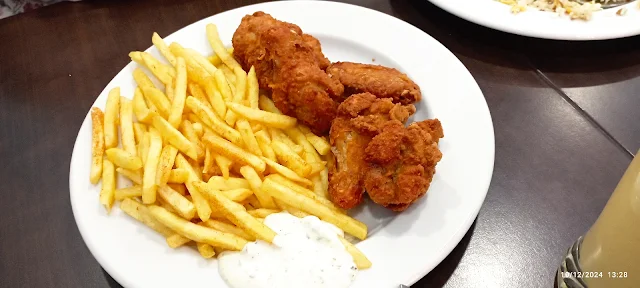
The Halal food which we have taken in lunch in Porto Portugal: 


Booking.com

Fly for Less with Skyscanner

Save big on your next flight with Skyscanner.

Compare Airlines, Dates, and Prices

Easily find the best options for your trip.

Search the Best Rates on Flights

Get the best deals with just a few clicks.

Plan Your Entire Trip with Skyscanner

Search flights, hotels, and car rentals to popular destinations.

Grab the Best Deals on Flights, Hotels, and Cars

Compare Now
Book & Save: Tiqets Kiwi GetYourGuide Amazon
Advertisement
AI Advisor — Ask me anything
Stays active all session
Hi! Ask me about travel, immigration, Spain, India, or any topic on Latestfoto.com. I find posts, affiliate deals, and follow-up questions for you.
Best places in Spain? Cheap flights Madrid US immigration 2026 India travel guide Free tours Europe
✨ Free AI Skin Analysis! Try Now →

Flight

✈️ Flight Deals

Error fares & cheap flights — updated daily

Loading flight deals…

_________________
facebook

Featured Post

Ruta de Lubián a Vilavella

Ruta de Lubián a Vilavella : un recorrido espectacular entre montañas, bosques y paisajes rurales en el noroeste de España. 🌿🥾 Este trayec...

Last 30 days' visitors

AI Advisor
AI Advisor

Look what is published:

Try Desktop
Purchase from

chat

Ask a Question

Enhance Your Success with Increased Visitor Engagement!
Ready to leave your mark? Partner with us and witness your business flourish!

7 Days-Popular Articles


How to Find Articles Relevant to Your Interest.

Top Internet Search Topics.

Join Our Writing Community!

🚀✍️ Embrace your passion for words and turn your free time into an exciting writing adventure & earning! Collaborate with us and elevate your writing game. 🌟

🚀✍️ Explore the world of guest writing and enjoy the added bonus of a backlink to your blog. Let's create captivating content together! 🌟

Scan QR code. Buy me a coffee.

Enjoying This Website?

Give Us Your Vote!

Follow Us on Facebook

Follow Us on Facebook

Follow Us Now!

Buy & Sell Your Video

Have an interesting video? Earn money by sharing it with us.

Learn a Language for Travel, PR, or Citizenship

Offer Your Own Language
-------------------------
See More. Do More. Share More.
Join Our Newsletter

Get exclusive discounts & travel tips straight to your inbox.

Please type this word to confirm you're human:

© Latestfoto.com — Questions. Curiosity. Discoveries.