What is palliative care?

Palliative care is specialized medical care focused on improving the quality of life for people with serious or life-threatening illnesses. 

It aims to relieve symptoms such as pain, fatigue, nausea, and emotional distress, providing physical, psychological, and spiritual support. 

Unlike curative treatments, palliative care is not intended to cure the illness but to enhance comfort and well-being. 

It can be provided alongside other medical treatments and is suitable for patients at any stage of their illness, not just at the end of life.

Global Tourism Leaders and Their Tourism Tax Policies

Introduction

Tourism plays a crucial role in the economies of many countries, contributing significantly to GDP, employment, and cultural exchange. 

Some of the world's top tourism leaders include France, Italy, Germany, Spain, Japan, Canada, the United States, South Korea, Indonesia, Mexico, and Turkey. These nations attract millions of tourists annually, generating substantial revenue from various tourism-related sectors. 

However, one critical aspect of tourism management is the imposition of tourism taxes. 

These taxes help sustain local infrastructure, preserve cultural heritage, and mitigate the negative impacts of mass tourism. 

This article presents the role of tourism taxes in these global tourism leaders and their impact on travelers and local economies.

1. Tourism Taxes: Definition and Purpose

Tourism taxes are levies imposed on travelers for using a country's tourism infrastructure. 

They can take different forms, such as hotel taxes, airport fees, environmental charges, and city taxes

Governments implement these taxes to:

  • Maintain and upgrade tourism infrastructure.
  • Preserve historical and cultural landmarks.
  • Regulate overcrowding in popular destinations.
  • Generate revenue to support local economies.
  • Address environmental concerns caused by over-tourism.

2. Tourism Tax Policies in Global Tourism Leaders

Each of the leading tourism destinations has its unique approach to taxation in the tourism sector. 

Here is an overview of their policies:

France

France, the most visited country in the world, levies a "Taxe de Séjour" (tourist tax) on overnight stays. 

The tax varies depending on accommodation type and location, with higher fees in Paris and popular tourist regions. 

Additionally, an air passenger duty applies to flights departing from France.

Italy

Italy imposes a city tax on hotel stays, which varies by city and accommodation rating. 

Rome, Venice, and Florence charge higher taxes, with Venice introducing an entrance fee for day-trippers to control visitor numbers. 

The tax revenue supports infrastructure maintenance and historic preservation.

Germany

Germany has the "Kulturförderabgabe" or culture tax in cities like Berlin and Cologne, applied to overnight stays in hotels. 

Additionally, an air travel tax is levied on all departing flights to promote sustainability and fund environmental projects.

Spain

Spain enforces a tourist tax in Catalonia and the Balearic Islands (including Mallorca and Ibiza). 

The tax applies to hotel stays and cruise ship passengers. 

Revenue from the tax helps sustain local environmental and cultural conservation initiatives.

Japan

Japan introduced a departure tax known as the "Sayonara Tax," which applies to all travelers leaving the country. 

The revenue funds tourism promotion and infrastructure improvements, including language assistance and transportation enhancements.

Canada

Several provinces in Canada impose tourism levies, such as Quebec’s lodging tax and Alberta’s tourism levy on accommodations

Some cities, including Toronto and Vancouver, apply additional municipal accommodation taxes to fund tourism development projects.

United States

The U.S. does not have a nationwide tourism tax, but most states and cities charge hotel occupancy taxes

Some states also levy rental car taxes and airport fees to generate revenue for tourism-related infrastructure.

South Korea

South Korea has a departure tax and a tourism development levy included in airline ticket prices. 

Additionally, some cities, like Seoul, have introduced a hotel tax to help support the expansion of tourism services.

Indonesia

Bali has implemented a tourism tax for foreign visitors to fund environmental protection and cultural preservation efforts. 

Other Indonesian tourist hotspots, such as Jakarta and Yogyakarta, impose hotel taxes to support local development.

Mexico

Mexico applies a tourist tax, the VISITAX, primarily in tourist-heavy regions like Quintana Roo (Cancún, Playa del Carmen). 

The tax is used to support infrastructure and tourism-related services in the region.

Turkey

Turkey introduced a hotel accommodation tax in 2020, applied to all hotels and lodging facilities. 

The revenue generated is used to promote tourism and maintain cultural heritage sites.

3. The Economic Impact of Tourism Taxes

Tourism taxes contribute to economic sustainability by ensuring that tourists pay their fair share toward the resources they use. 

However, they also come with challenges:

Positive Effects:

  • Infrastructure Development: Funds generated from tourism taxes help maintain and expand roads, public transport, and airports.
  • Cultural Preservation: Historic sites and museums receive funding for conservation and restoration.
  • Environmental Protection: Taxes help support green initiatives, including waste management and marine conservation.
  • Revenue Generation: Governments can reinvest tax earnings into tourism promotion and local community welfare.

Negative Effects:

  • Higher Travel Costs: Tourists may face increased expenses, making some destinations less attractive.
  • Competitiveness Issues: Countries with high tourism taxes may lose visitors to neighboring nations with lower fees.
  • Administration Challenges: Implementing and collecting tourism taxes require effective governance and transparency to avoid misallocation of funds.

4. The Future of Tourism Taxes

With the growing emphasis on sustainable tourism, governments are likely to refine their taxation policies further. 

Possible trends include:

  • Dynamic Pricing: Adjusting tourism taxes based on peak and off-peak seasons to manage tourist flow.
  • Eco-Taxes: Implementing charges directly linked to sustainability initiatives, such as carbon offset programs.
  • Digitalization: Streamlining tax collection through online platforms and integrating tourism taxes into travel booking systems.
  • Regional Cooperation: Countries within tourism-heavy regions, like the EU, may collaborate on unified tax policies to standardize visitor charges.

Conclusion

Tourism taxes are an essential tool for maintaining a destination’s appeal and sustainability. 

As global tourism leaders continue to attract millions of visitors, their taxation policies play a critical role in balancing economic benefits with environmental and cultural preservation. 

While these taxes may slightly increase travel costs, they ultimately contribute to a more sustainable and enjoyable travel experience for future generations. 

Travelers should stay informed about the tourism taxes applicable to their destinations and factor them into their travel budgets for a smooth and hassle-free journey.

Tips for creating solo comedy content

Doing comedy solo can be a lot of fun! Here are a few tips to help you get started with creating solo comedy content for your YouTube channel:

  1. Find Your Style: Comedy comes in many forms – from observational humor to puns, slapstick, or satirical commentary. Explore different styles to see what feels natural for you.

  2. Work on Timing: Comedy is all about timing. Make sure your punchlines land well by practicing the pauses and rhythm of your delivery. This is key when performing alone.

  3. Write a Script: Having a basic script or outline for your videos will help guide you, but allow room for improvisation. Sometimes, spontaneous moments can be the funniest.

  4. Use Your Environment: You can create comedy by interacting with your surroundings. Props, background elements, or even the way you engage with the camera can add humor.

  5. Character Work: You could create recurring funny characters. These characters might have specific traits or voices that make them memorable and comedic.

  6. Engage with the Audience: Talk directly to the camera as if you're talking to a friend. This helps build a connection with your viewers, making your humor feel more personal.

  7. Practice Facial Expressions and Body Language: Comedy isn't just about what you say; how you say it matters a lot. Emphasizing your expressions and gestures will help make the jokes land.

  8. Edit for Humor: Sometimes, the way you edit your video can enhance the comedic effect. Quick cuts, adding sound effects, or using exaggerated reactions can really boost the humor.

  9. Test Your Material: Share your content with friends or family to see how they react. Adjust based on feedback, and try to improve your material over time.

Once you find your niche and style, you'll find that making comedy solo becomes a lot more natural! 

Do you have any ideas already, or are you still brainstorming? You can comment and share with others. Maybe some one help you in your adventure. 

Celebración de Holi Fiesta de los Colores

La celebración de Holi, también conocida como la fiesta de los colores, es una de las festividades más importantes y coloridas en la cultura hindú. Este evento tiene lugar generalmente en el mes de marzo, marcando el inicio de la primavera en el calendario hindú. Holi no solo es una oportunidad para celebrar la llegada de la nueva estación, sino que también tiene un profundo significado religioso y cultural, vinculado a la victoria del bien sobre el mal y la renovación de la vida.

Durante esta fiesta, las personas se agrupan en las calles, parques y plazas para disfrutar de la compañía de familiares y amigos, y participarán en diversas actividades llenas de música, baile y, por supuesto, el lanzamiento de polvos de colores. Estos polvos de colores, conocidos como gulal, son uno de los símbolos más distintivos de Holi y representan la vibrante alegría de la vida.

Origen y Significado de Holi

El origen de Holi se remonta a la mitología hindú. Existen diversas leyendas asociadas a la festividad, pero la más conocida es la historia de Prahlad y Holika. Prahlad era un devoto fervoroso del dios Vishnu, pero su padre, el rey Hiranyakashipu, era un hombre malvado que prohibió a su hijo adorar a Vishnu. Cuando Prahlad desobedeció las órdenes de su padre, Holika, la hermana del rey, intentó matarlo en una hoguera, pero debido a la protección divina, Prahlad salió ileso mientras que Holika pereció. Esta historia simboliza la victoria del bien sobre el mal, y es celebrada con el encendido de hogueras en la víspera de Holi, lo que representa la destrucción de las fuerzas oscuras.

Las Actividades de Holi

Holi es famosa por sus actividades festivas y su atmósfera vibrante. Uno de los elementos más conocidos es el lanzamiento de polvos de colores. Las personas se lanzan entre sí polvos de diferentes colores, creando un ambiente alegre y pintoresco. Este acto tiene su simbolismo en la expresión de la libertad y el rompimiento de las barreras sociales y culturales. Durante Holi, las castas y las diferencias sociales se disuelven, ya que todos están cubiertos de los mismos colores.

Otro elemento crucial de la celebración son las canciones y danzas. En todo el país, los grupos de amigos y familiares se reúnen para bailar al ritmo de música tradicional y moderna. Las canciones populares incluyen temas festivos que invitan a la diversión y la participación de todos, y el baile es una forma de expresar la felicidad y la energía positiva que caracteriza la festividad.

Las comidas y dulces también juegan un papel importante durante Holi. Platos típicos incluyen gujiya, un dulce relleno de nueces y leche, y thandai, una bebida refrescante que, en algunas regiones, puede llevar un toque de bhang, una preparación hecha a base de marihuana. Esta bebida es consumida especialmente durante los festejos para aumentar el ambiente festivo.

Preguntas Más Buscadas Sobre Holi

A continuación, respondemos a algunas de las preguntas más comunes sobre esta maravillosa celebración hindú:

1. ¿Qué es Holi y cuándo se celebra?

Holi es una fiesta hindú que celebra la llegada de la primavera, la victoria del bien sobre el mal y la renovación de la vida. Se celebra el día después de la luna llena de Phalguna, que suele caer en marzo.

2. ¿Por qué se lanzan polvos de colores durante Holi?

El lanzamiento de polvos de colores simboliza la alegría, la unidad y la superación de las diferencias sociales. Los colores representan la vibrante vida y la llegada de la primavera, un tiempo de renacimiento.

3. ¿Qué significa la hoguera de Holi?

La hoguera de Holi, también conocida como Holika Dahan, simboliza la quema del mal y la destrucción de los demonios. Según la mitología, fue en una hoguera donde la malvada Holika fue destruida, mientras que Prahlad, el niño devoto, salió ileso.

4. ¿Es Holi una festividad religiosa?

Sí, Holi tiene un fuerte componente religioso. La celebración está vinculada a varias leyendas hindúes, como la de Prahlad y Holika, y también se celebra en honor a diferentes dioses hindúes, especialmente a Krishna y Vishnu.

5. ¿Cuáles son los colores más comunes en Holi?

Durante Holi, se utilizan polvos de colores vibrantes como el rojo, amarillo, verde, azul, morado, rosa y naranja. Cada color tiene su propio simbolismo y significado en la tradición hindú.

6. ¿Por qué la gente se baña de colores durante Holi?

El baño de colores representa el espíritu de unión y el desprendimiento de las diferencias. Todos, sin importar su estatus social, están cubiertos con los mismos colores, lo que simboliza la igualdad y la alegría compartida.

7. ¿Es seguro participar en Holi?

Generalmente, la celebración de Holi es segura, pero es importante tener precaución con los polvos de colores. Aunque muchos polvos son hechos a base de materiales naturales, algunos pueden ser tóxicos o causar alergias. Es recomendable usar colores naturales o ecológicos y proteger los ojos y la piel.

8. ¿Cómo se celebra Holi fuera de la India?

Holi se ha popularizado mucho fuera de la India, especialmente en países con grandes comunidades hindúes. En lugares como Estados Unidos, el Reino Unido y Canadá, se organizan eventos masivos en los que la gente de todas las culturas se une para disfrutar de la festividad. Estos eventos suelen incluir música, danzas, y el tradicional lanzamiento de polvos de colores.

9. ¿Qué se come en Holi?

Durante Holi, se disfrutan de una variedad de dulces y platos especiales, como gujiya, un pastel relleno de nueces y azúcar, y thandai, una bebida a base de leche y especias, a veces con bhang. Además, se preparan otros platos sabrosos como samosas y pakoras.

10. ¿Qué simboliza el color rojo en Holi?

El color rojo en Holi tiene varios significados. Es un color que representa el amor y la pasión, y se asocia con la diosa Radha, quien es conocida por su amor divino hacia el dios Krishna. También simboliza la vitalidad y la energía positiva de la primavera.

11. ¿Qué otros festivales se celebran en la misma época que Holi?

Holi coincide con la celebración del Navratri, un festival hindú que honra a la diosa Durga y celebra la victoria de la luz sobre la oscuridad. Aunque son festividades diferentes, ambas se celebran cerca de la llegada de la primavera.

12. ¿Cómo se preparan los polvos de colores para Holi?

Los polvos de colores, conocidos como gulal, se preparan tradicionalmente a partir de flores y plantas naturales. Sin embargo, en tiempos modernos, se pueden encontrar versiones comerciales hechas con tintes artificiales. Es importante asegurarse de que los polvos sean seguros para la salud.

Conclusión

Holi es una de las celebraciones más vibrantes y alegres del mundo. No solo marca la llegada de la primavera, sino que también es un momento para disfrutar de la vida, la amistad y la renovación espiritual. A través de los colores, la música, las danzas y la comida, Holi une a las personas de diferentes orígenes y culturas, creando una atmósfera de amor y felicidad compartida.

Belgium Joins Growing List of Nations Updating Travel Advisory for the U.S.: What It Means for Travelers

As the United States tightens its border policies, Belgium is set to join countries like the Netherlands, Canada, France, Germany, Denmark, the UK, and Finland in updating its travel advisory for its citizens. 

This move comes in response to an increasing number of incidents involving European travelers facing heightened scrutiny, detentions, and even deportations upon arrival in the U.S.

For Belgian travelers, this raises critical questions: 

What has changed in U.S. border enforcement? 

What risks do they face? 

And how can they prepare for their trip to avoid unnecessary complications? 

This article provides an in-depth analysis of the evolving situation and offers expert advice on navigating the new travel landscape.

Why Are Countries Updating Their U.S. Travel Advisories?

Several European nations have updated their travel alerts due to a series of alarming cases where their citizens faced extended detentions at U.S. immigration centers. For instance:

  • A German tourist was detained for 16 days after border agents found a previous entry stamp from Mexico, leading to suspicion of unauthorized work in the U.S.
  • A Welsh backpacker was held for nearly three weeks after failing to provide sufficient proof of his travel itinerary and return plans.
  • A Canadian woman was detained for 12 days due to a minor visa discrepancy.

These incidents suggest a growing trend of stricter immigration enforcement, possibly influenced by political pressures and policy shifts under the U.S. Department of Homeland Security.

Key Policy Changes Affecting Belgian Travelers

While U.S. immigration laws remain the same, their interpretation and enforcement have become more stringent. 

Belgian travelers should be aware of the following:

1. Increased Secondary Inspections

U.S. Customs and Border Protection (CBP) officers now conduct more frequent and rigorous questioning at points of entry. 

Even travelers with valid Electronic System for Travel Authorization (ESTA) approvals may be pulled aside for additional screening.

2. Longer Detention Periods and Limited Access to Legal Help

If flagged for further inspection, travelers may be held in detention centers for extended periods. Unlike domestic legal procedures, travelers do not have an automatic right to legal representation at the border.

3. Greater Focus on Travel History

U.S. authorities are increasingly examining a traveler’s past visits, especially if they have been to countries perceived as “high risk” or have frequently entered and exited the U.S. in a short time frame.

4. Social Media Screening

Border agents may request access to a traveler’s social media accounts to verify the consistency of their travel claims. 

Posts that suggest remote work or extended stays in the U.S. could raise red flags.

What This Means for Belgian Travelers

The revised travel advisory does not mean Belgian citizens are unwelcome in the U.S. 

However, it underscores the need for careful preparation and compliance with immigration requirements. 

Travelers should take the following steps to reduce their risk of facing border issues:

1. Prepare Documentation in Advance

Before departing for the U.S., ensure you have the following:

  • Valid passport and ESTA authorization
  • Proof of return travel (airline tickets, travel itinerary)
  • Hotel reservations or accommodation details
  • Letter of invitation if visiting family or friends
  • Evidence of financial means to support your stay (bank statements, employer letters)

2. Be Prepared for Extensive Questioning

Expect CBP officers to ask about:

  • The purpose of your visit
  • Your employment status in Belgium
  • Your planned length of stay
  • Any previous visits to the U.S. and surrounding countries

Answer truthfully and confidently, providing documentation when necessary.

3. Avoid Carrying Work-Related Items if Traveling on a Tourist Visa

Bringing work laptops, professional equipment, or discussing freelance work with border officers may create suspicions of unauthorized employment. 

Stick to tourist-related responses unless you hold the appropriate work visa.

4. Be Mindful of Social Media and Digital Content

Since social media checks are now more common, remove any posts that could be misinterpreted as evidence of extended stays or unauthorized work in the U.S.

What to Do if You Are Detained at the U.S. Border

In the unfortunate event that a Belgian traveler is detained:

  1. Remain calm and cooperate – Aggressive behavior can escalate the situation.
  2. Request to contact your embassy – Belgian citizens have the right to inform their embassy, which may assist in ensuring fair treatment.
  3. Do not sign documents without understanding them – Signing forms under pressure could lead to voluntary removal or travel bans.
  4. Document your experience – If released, report your case to the Belgian Ministry of Foreign Affairs for record-keeping and legal advice.

Comparing U.S. Entry Policies to Other Countries

While the U.S. has become stricter, how does it compare to other nations with strong border control policies?

  • Canada: Uses similar questioning tactics but generally allows detained travelers access to legal representation.
  • Australia: Has a strict visa policy but provides more transparency on denial reasons.
  • UK: Denies entry more frequently but detains visitors for shorter periods compared to the U.S.

Final Thoughts: Should Belgian Travelers Be Concerned?

Belgium’s anticipated travel advisory update is not a ban but a precautionary measure to ensure its citizens are well-informed. 

While most Belgian travelers will enter the U.S. without issue, the risk of prolonged detentions or entry denials is higher than in previous years.

By staying informed, prepared, and compliant with immigration rules, travelers can reduce the likelihood of encountering problems at the border. 

Belgian authorities recommend checking for updates regularly and following best practices when planning U.S. trips.

For those with concerns, consulting with travel lawyers or embassies before departure can offer added peace of mind. 

In the evolving world of international travel, knowledge is the key to a smooth and stress-free journey.

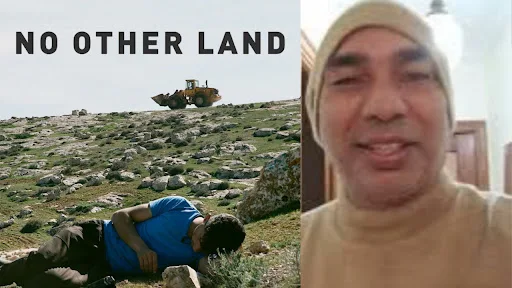
No Other Land (2024) DOCUMENTARY REVIEW| Girish

A Powerful Documentary Unveiling the Palestinian Struggle

No Other Land (2024) is a groundbreaking documentary that captures the ongoing struggle of Palestinians in Masafer Yatta, a region in the West Bank facing forced evictions and home demolitions. 

The film, co-directed by Basel Adra, Yuval Abraham, Hamdan Ballal, and Rachel Szor, provides a raw and unfiltered perspective on the realities of occupation, human rights violations, and resilience in the face of adversity.

Watch Video Review: https://youtu.be/sBZXcdaclZE

A Deeply Personal and Poignant Narrative

The documentary follows Basel Adra, a Palestinian journalist and activist who has spent years documenting the destruction of his homeland. 

Through his lens, No Other Land presents harrowing visuals of bulldozed homes, displaced families, and the relentless efforts of Israeli authorities to clear the land. 

However, the film also highlights the resistance, solidarity, and unbreakable spirit of the local community.

One of the most compelling aspects of the documentary is the unlikely friendship between Adra and Israeli journalist Yuval Abraham. 

Their collaboration adds a unique dimension, showcasing a rare alliance that transcends political divides. 

This nuanced storytelling has made No Other Land a must-watch documentary for those seeking a deeper understanding of the Israeli-Palestinian conflict.

Award-Winning and Critically Acclaimed

No Other Land made a strong impact at the 74th Berlin International Film Festival, winning both the Berlinale Documentary Award and the Panorama Audience Award for Best Documentary. 

Critics have praised its emotional depth and fearless storytelling.

  • IndieWire described it as “a vital and wrenching documentary about Israel’s ongoing expulsion of Palestinian communities.”
  • Variety commended its “tight and considered filmmaking,” emphasizing its urgency in today’s political climate.
  • RogerEbert highlighted its use of documentary filmmaking as a “weapon for truth and resistance.”

A Film That Demands Attention

Beyond its artistic and cinematic excellence, No Other Land serves as a critical piece of journalism, shedding light on one of the most pressing human rights crises of our time. 

With international media often overlooking these stories, this documentary plays a crucial role in amplifying Palestinian voices.

As interest in global human rights issues grows, No Other Land is set to remain a trending topic across news platforms, social media, and film discussions. 

Its SEO-friendly keywords, including human rights documentary 2024, Israeli-Palestinian conflict, Masafer Yatta, and best political documentaries, ensure visibility among audiences searching for compelling, fact-based storytelling.

Final Verdict

If you are interested in documentaries that reveal untold stories and challenge mainstream narratives, No Other Land is an essential watch. 

Its gripping visuals, personal testimonies, and award-winning direction make it one of the most important films of 2024.

Where to Watch: The film is available on major streaming platforms and film festivals worldwide. 

New Idea for Blog and YouTube Channel

This are several but I am going to write them as they will come in my mind during talks with people and society or any impactful observation. 

I will keep posting on this website, so come back again on this website. May be you find one which you prefer to use to develop your blog and YouTube channel. 

This idea I come to know when I was talking with one of my pupils in the class. He told me that he likes to see a road or building how there were look like in his locality 20-30 years ago. Does the Google map or any mapping system or satellite provide pictures or data taken 20-30 years ago and he can compare with present pictures or data. This could be a fantastic idea if someone can show how one locality is evolving with time. Certainly this will attract local peoples to visit your video and blog to know about their locality or a place. 


Girish


पश्चाताप करने के लिए उल्टी परिक्रमा

कुछ धार्मिक और सांस्कृतिक परंपराओं में प्रायश्चित (प्राश्चित) के रूप में उल्टी परिक्रमा करने की प्रथा होती है। खासकर हिंदू धर्म और कुछ अन्य आध्यात्मिक परंपराओं में, यदि कोई व्यक्ति किसी नियम या धर्मिक आचार का उल्लंघन करता है, तो उसे पश्चाताप करने के लिए उल्टी परिक्रमा (वामावर्त परिक्रमा) करनी पड़ सकती है।

उल्टी परिक्रमा का अर्थ और महत्व:

  1. प्रायश्चित और पश्चाताप – जब कोई व्यक्ति किसी मंदिर या पवित्र स्थान पर जाने के नियमों का उल्लंघन करता है, तो उसे प्रायश्चित स्वरूप उल्टी परिक्रमा करनी होती है।
  2. विशेष अवसरों पर – कुछ धार्मिक स्थलों पर विशेष रूप से यह परंपरा देखी जाती है, जहाँ भक्त अपनी गलतियों के लिए पश्चाताप स्वरूप उल्टी दिशा में परिक्रमा करते हैं।
  3. श्रद्धा और भक्ति का प्रतीक – यह एक प्रकार की आत्मशुद्धि मानी जाती है, जहाँ व्यक्ति अपने अहंकार और गलतियों को त्यागने का संकल्प लेता है।

उदाहरण:

  • कुछ स्थानों पर तिरुपति बालाजी मंदिर या कांची कामाक्षी मंदिर जैसी जगहों पर उल्टी परिक्रमा की परंपरा देखी जाती है।
  • दक्षिण भारत में कई भक्त मंदिर के चारों ओर "अंगप्रदक्षिणा" (धरती पर लेटकर घूमने) के रूप में भी प्रायश्चित करते हैं।

हालांकि, सामान्यतः हिंदू धर्म में परिक्रमा दक्षिणावर्त (दाईं ओर से, घड़ी की सुई की दिशा में) की जाती है, और वामावर्त परिक्रमा केवल विशेष परिस्थितियों में ही की जाती है।

La Amenaza de una Guerra en Europa y el Rol de Bruselas

threat of war in Europe and the role of Brussels

En los últimos años, Europa ha sido testigo de una creciente preocupación sobre la posibilidad de una guerra en el continente. 

Desde tensiones geopolíticas hasta conflictos territoriales, la posibilidad de una guerra en Europa ha estado en el centro del debate político y social. 

La Unión Europea (UE), con su sede en Bruselas, ha tenido un papel crucial en la gestión de estas tensiones, buscando preservar la paz y la estabilidad en la región. 

Este artículo explora las amenazas actuales de guerra en Europa, la importancia de la UE en la prevención de conflictos, y cómo Bruselas ha instado a los europeos a prepararse ante una posible guerra.

La Posibilidad de una Guerra en Europa

La idea de una guerra en Europa parece cada vez más plausible debido a diversos factores, incluyendo las tensiones políticas y militares entre países de la región, la inestabilidad en países vecinos, y la creciente presencia de actores externos con intereses conflictivos. 

Aunque Europa ha sido un bastión de paz durante varias décadas, especialmente desde la Segunda Guerra Mundial, las recientes escaladas en la vecindad de la UE han hecho que la posibilidad de un conflicto armado sea una preocupación creciente. 

La guerra en Ucrania, por ejemplo, ha puesto en evidencia las vulnerabilidades de la región y ha incrementado los temores de que un conflicto de mayor escala pueda estallar.

La Respuesta de Bruselas: Preparación Ante la Guerra

La Unión Europea, a través de sus instituciones en Bruselas, ha jugado un papel clave en la prevención de conflictos armados en Europa. 

Bruselas ha estado trabajando activamente para promover la diplomacia, sancionar a los responsables de las agresiones y apoyar a los países miembros en la defensa de su soberanía. 

Sin embargo, la reciente intensificación de las tensiones en Europa del Este ha llevado a Bruselas a emitir advertencias y a pedir a los europeos que estén preparados para cualquier eventualidad.

El presidente de la Comisión Europea, Ursula von der Leyen, ha señalado que la UE debe estar lista para enfrentar una posible guerra en Europa, y ha instado a los gobiernos nacionales a reforzar sus capacidades de defensa. 

En sus declaraciones, Bruselas pide a los europeos que no solo se preparen para un posible conflicto militar, sino también para las repercusiones económicas y sociales que una guerra podría traer consigo.

El Kit de Supervivencia en Caso de Guerra

A medida que los temores sobre una guerra en Europa se intensifican, algunos ciudadanos han comenzado a preguntarse cómo pueden prepararse ante una crisis de tal magnitud. 

En este contexto, el concepto de "kit de supervivencia" ha cobrado relevancia. 

Aunque no es un tema que se trate frecuentemente en las noticias, algunos expertos y gobiernos han comenzado a aconsejar a los ciudadanos sobre la importancia de estar preparados ante situaciones de emergencia.

Un kit de supervivencia básico podría incluir alimentos no perecederos, agua potable, medicamentos esenciales, baterías, ropa adecuada para diversas condiciones climáticas, y otros suministros necesarios para sobrevivir durante una crisis prolongada. 

Estos kits son una forma de asegurar que las personas puedan mantenerse a salvo y autosuficientes en caso de que las infraestructuras colapsen debido a un conflicto armado.

Aunque Bruselas no ha hecho recomendaciones oficiales sobre la creación de estos kits, la creciente preocupación por la seguridad ha llevado a muchas familias a tomar medidas preventivas para garantizar su bienestar en caso de un conflicto.

La Unión Europea Ante la Guerra: ¿Un Escudo de Paz o un Foco de Conflicto?

La historia de la Unión Europea está marcada por la búsqueda de la paz y la cooperación entre los países europeos. 

Después de los devastadores conflictos de las dos Guerras Mundiales, la UE se formó como un bloque económico y político destinado a evitar la guerra a través de la integración y la colaboración. 

Sin embargo, la naturaleza cambiante de las amenazas y la política internacional ha puesto a prueba la capacidad de la UE para cumplir con su misión de garantizar la paz en Europa.

Hoy en día, la Unión Europea sigue siendo un baluarte de la paz en Europa, pero también enfrenta desafíos significativos en su lucha contra la inestabilidad. 

Las crisis en las fronteras de la UE, la presencia de conflictos prolongados en países cercanos, como Ucrania, y las dificultades internas dentro del bloque han generado interrogantes sobre la efectividad de la UE como un escudo contra la guerra. 

Además, la ampliación de la UE, con la incorporación de nuevos países, ha generado fricciones que algunos interpretan como un riesgo potencial de conflicto.

El Papel de Bruselas en la Prevención de la Guerra

Bruselas, como sede de las instituciones clave de la Unión Europea, desempeña un papel fundamental en la prevención de la guerra en Europa. 

A través de sus políticas exteriores y de defensa, la UE ha trabajado para mediar en los conflictos, imponer sanciones a los agresores y proporcionar ayuda humanitaria a las víctimas de la guerra.

En el contexto de la posible guerra en Europa, Bruselas ha tomado medidas para garantizar la seguridad de sus ciudadanos. 

A través de la Política Común de Seguridad y Defensa (PCSD), la UE se ha comprometido a coordinar los esfuerzos de defensa entre sus estados miembros, promoviendo la cooperación en áreas como la ciberseguridad, la defensa militar y la protección de las infraestructuras críticas.

Bruselas también ha instado a los europeos a mantenerse unidos y solidarios en tiempos de crisis. 

La respuesta a la guerra en Ucrania ha sido un ejemplo claro de cómo la UE puede movilizarse rápidamente para apoyar a un país miembro y garantizar la estabilidad en la región. 

En este sentido, Bruselas pide a los europeos que se preparen para enfrentar las consecuencias económicas y sociales de una guerra, al mismo tiempo que promueve el diálogo y la diplomacia para evitar que el conflicto se propague por toda Europa.

Reflexión Final: ¿Hacia una Guerra en Europa?

A medida que la situación en Europa sigue evolucionando, la pregunta sobre si una guerra podría estallar en el continente sigue siendo un tema de debate. 

Si bien la Unión Europea ha sido exitosa en evitar grandes conflictos durante más de 70 años, las tensiones actuales y las amenazas externas plantean riesgos significativos para la seguridad en Europa. 

Bruselas, como centro de poder político y económico, sigue siendo un actor clave en la gestión de estas crisis y en la prevención de una posible guerra en Europa.

Aunque nadie puede predecir el futuro, lo que es claro es que la Unión Europea, con la ayuda de sus ciudadanos y gobiernos, sigue comprometida en la lucha por la paz. 

Bruselas pide a los europeos que se preparen para cualquier eventualidad, pero también continúa trabajando para garantizar que Europa siga siendo un continente de estabilidad y cooperación, en lugar de un lugar marcado por la guerra.

GPT4All What is this?

GPT4All is an open-source ecosystem for running local AI language models on personal devices. 

It allows users to run AI models similar to ChatGPT without requiring an internet connection. GPT4All supports various large language models (LLMs), including those optimized for efficiency on CPUs and GPUs.

Key Features of GPT4All:

  • Offline AI Chatbot: Works without internet access.
  • Open-source: Free to use and modify.
  • Supports Multiple Models: Compatible with models like LLaMA, Mistral, and others.
  • Cross-Platform: Runs on Windows, macOS, and Linux.
  • Privacy-Focused: No data is sent to external servers.

Clipboard lags, pasting old text instead of the copied one

Sometimes when I copy a text and paste somewhere else, it always paste the previous copied text not the current copied text. 

This issue can happen for several reasons:

1. Clipboard Delay or Lag

  • Sometimes the clipboard doesn't update instantly. Try waiting a few seconds before pasting.
  • Restart the app or program you're using and try again.

2. Background Clipboard Interference

  • Some apps or extensions (especially clipboard managers) store previous copies and may override the latest copy.
  • Try disabling clipboard managers or clearing clipboard history.

3. Multiple Devices with Syncing

  • If you use clipboard syncing (e.g., Windows Cloud Clipboard, Apple Universal Clipboard), your device might paste an older copy.
  • Turn off clipboard syncing temporarily and see if the issue persists.

4. Corrupted Clipboard

  • In Windows:
    • Press Windows + V to open clipboard history and check what’s stored.
    • Run cmd as administrator and type: echo off | clip to clear the clipboard.
  • On Mac:
    • Try copying again or restart the system.

5. Faulty Keyboard or Mouse

  • If you use keyboard shortcuts (Ctrl+C / Cmd+C), your keyboard might not be registering the copy command properly.
  • Try right-clicking and selecting "Copy" manually instead.

I am using a mobile phone not a desktop 

If you're experiencing this issue on a mobile phone, here are some possible reasons and solutions:

1. Clipboard Delay or Glitch

Try copying twice before pasting.

Restart the app where you're copying or pasting.

2. Check Clipboard History (If Available)

On Android (some versions):

Long press on the text field and tap "Clipboard" to see recent copied items.

If available, select the latest copied text.

On iPhone, there's no built-in clipboard history, so only the last copied item is available.

3. Background Apps Interfering

Some apps (like keyboard apps or clipboard managers) store older copied texts.

If you use a third-party keyboard (Gboard, SwiftKey, etc.), try clearing its clipboard history.

4. System Clipboard Not Updating

Try clearing your clipboard manually:

On Android: If using Gboard, go to Clipboard → Clear clipboard history.

On iPhone: Copy a small random text (like "123"), then try again.

5. Restart Your Phone

A simple restart can refresh the clipboard and fix minor glitches.

The Tulip Barn A Must-Visit Destination for Flower Enthusiasts

Why Visit the Tulip Barn?

The Tulip Barn is a paradise for nature lovers, photographers, and those who appreciate the beauty of colorful blooms. Located in the Netherlands, this stunning attraction offers a breathtaking display of vibrant tulip fields, providing an unforgettable experience. Whether you want to explore the fields, take Instagram-worthy photos, or simply enjoy the fresh air, the Tulip Barn is a must-visit destination during the tulip season.

Reasons to Visit the Tulip Barn:

  • Mesmerizing Tulip Fields: A vast stretch of land covered in thousands of tulips of various colors.
  • Perfect for Photography: The picturesque setting makes it a top attraction for photographers and influencers.
  • Cultural and Historical Significance: Learn about the history of tulip farming in the Netherlands.
  • Relaxing and Family-Friendly Atmosphere: Ideal for couples, families, and solo travelers looking for a peaceful retreat.

What to See at the Tulip Barn?

When visiting the Tulip Barn in the Netherlands, you will be mesmerized by the kaleidoscope of tulip varieties. The best part? You don’t just get to admire the tulips—you can walk through them, take photos, and even buy freshly cut flowers.

Key Attractions at the Tulip Barn:

  1. Tulip Fields – Spanning several acres, the vibrant tulip fields showcase an array of colors including red, pink, yellow, purple, and white tulips.
  2. Photo Spots – Specially curated spots with windmills, wooden shoes, and Dutch-themed backgrounds for Instagram-friendly pictures.
  3. Workshops and Events – Learn about tulip farming, floral arrangements, and Dutch gardening techniques.
  4. Cafes and Local Markets – Enjoy traditional Dutch snacks like stroopwafels while browsing through flower-related souvenirs.
  5. Mini Farm for Kids – A delightful experience for children where they can interact with farm animals.

History of the Tulip Barn

The Netherlands has a deep-rooted history with tulips, dating back to the 16th century. Tulips were introduced to the country from the Ottoman Empire and quickly became a symbol of wealth and prosperity. During the 17th century "Tulip Mania," tulips were so valuable that they were traded like currency.

The Tulip Barn represents this rich history, preserving the tradition of tulip cultivation and showcasing the most beautiful flower fields in the world. Today, the tulip industry remains an essential part of the Dutch economy, with millions of tulips exported worldwide.


Location and How to Reach the Tulip Barn

Where is the Tulip Barn Located?

The Tulip Barn is situated in the Netherlands, in one of the country’s most popular flower-growing regions. The exact location may vary depending on different tulip farms, but it is generally near Lisse, close to the famous Keukenhof Gardens.

How to Reach the Tulip Barn?

By Air

  • Nearest Airport: Amsterdam Schiphol Airport (AMS), approximately 30-40 minutes away from the Tulip Barn.
  • Direct flights are available from major international cities.

By Train

  • Take a train from Amsterdam Centraal Station to Leiden or Haarlem.
  • From there, buses or taxis are available to reach the Tulip Barn.

By Car

  • Renting a car is a great option for a scenic road trip through the Dutch countryside.
  • Parking facilities are available near the tulip fields.

By Bike

  • Biking is one of the best ways to explore tulip fields in the Netherlands. You can rent a bicycle and enjoy a picturesque ride.

Entry Fees and Tickets

  • General Admission: Around €5 to €15 per person, depending on the season and activities.
  • Children’s Tickets: Discounts are available for kids under 12 years old.
  • Photography Sessions: Special tickets may be required for professional photoshoots.
  • Advance Booking: Highly recommended during peak tulip season to avoid crowds.

Some tulip farms allow free entry, but they expect visitors to purchase flowers or donate towards farm maintenance.


Best Time to Visit the Tulip Barn

Which Season is Best?

  • The best time to visit is spring, particularly from March to May, when tulips are in full bloom.
  • Peak blooming period: Mid-April is the best time for vibrant, fully bloomed tulips.

Which Days Are Best to Visit?

  • Weekdays: Less crowded, allowing for better photography opportunities.
  • Weekends and Holidays: Expect larger crowds, but also more events and activities.

Which Months Are Best for Tulip Viewing?

  • March: Early blooming varieties start appearing.
  • April: Best month to see the tulip fields in full bloom.
  • May: Late-blooming tulips, but fields may start being cleared for the next season.

Hotels Near the Tulip Barn

Luxury Hotels

  1. Hotel de Lis (Lisse) – Close to the Tulip Barn with luxurious amenities.
  2. Van der Valk Hotel Schiphol – A high-end hotel near the airport with easy access to tulip fields.

Mid-Range Hotels

  1. Hotel Restaurant De Nachtegaal – Offers comfortable stays near Keukenhof Gardens.
  2. Hotel Villa Flora – A cozy option with a Dutch countryside feel.

Budget Hotels and Hostels

  1. Stayokay Hostel Haarlem – A budget-friendly option for backpackers.
  2. B&B De Vier Seizoenen – Affordable and charming accommodation.

Booking in advance is essential during tulip season, as hotels fill up quickly.


Dress Code and Other Suggestions

Dress Code Recommendations

  • Comfortable Walking Shoes: You’ll be walking through fields, so wear sturdy footwear.
  • Casual and Layered Clothing: Spring weather in the Netherlands can be unpredictable.
  • Bright Colors: Stand out in photos against the colorful tulip backdrop.
  • Rain Jacket or Umbrella: In case of unexpected rain showers.

Additional Travel Tips

✔️ Arrive Early – To avoid crowds and get the best photo opportunities.
✔️ Respect the Fields – Do not trample the tulips or pick flowers without permission.
✔️ Use a Bike or Public Transport – Parking can be limited during peak season.
✔️ Try Local Treats – Sample Dutch delicacies like poffertjes (mini pancakes) and fresh stroopwafels.
✔️ Visit Keukenhof Gardens – A nearby floral park with millions of tulips in breathtaking designs.


Conclusion

The Tulip Barn in the Netherlands is a must-visit destination for tulip lovers, photographers, and travel enthusiasts. With breathtaking tulip fields, fun workshops, and a peaceful Dutch countryside atmosphere, this floral paradise is a once-in-a-lifetime experience.

Plan your trip between March and May, wear comfortable clothes, and don’t forget your camera! Whether you're a solo traveler, a couple, or a family, the Tulip Barn is the perfect place to experience the beauty of spring in full bloom.

Would you like help with booking a tulip tour or accommodation nearbyLet me know, and I’ll provide the best options for your trip!

My visit: Tulip Market Amsterdam

Tulip in Vancouver

New Game Innovation

One day my student of English class and I both are looking for a new game which we can incorporate in our class to play and learn English
We become bored with playing very similar games in the class in last 10 minutes. 
My student said me immediately he is going to invent one new game. 
We played very similar games many times because I put similar games many times in the class. 
But this new invented game is more tricky and need more attention when you have to take next step in game. 
Do you know how to play this game? Check it in video: https://youtube.com/shorts/QTrKAIN4uhk?feature=share

Do the Best You Can and Never Stop

Success is not reserved for a select few—it is available to anyone willing to put in the effort, persevere through difficulties, and continue learning. 

Whether in career, education, relationships, or personal development, the key to achievement lies in doing your best and never stopping, no matter the obstacles.

Why Persistence Matters

Many of history’s greatest achievers, from inventors and entrepreneurs to athletes and artists, succeeded because they refused to give up. 

Thomas Edison failed over 1,000 times before perfecting the light bulb. 

Michael Jordan was cut from his high school basketball team but became one of the greatest players of all time. 

The lesson? Failure is never final unless you quit.

The Science Behind Never Giving Up

Psychologists have studied grit, a combination of passion and perseverance, and found it to be one of the biggest predictors of success. 

Angela Duckworth, a renowned psychologist, found that grit outweighs talent when it comes to long-term achievement. 

This means that your ability to persist and keep improving is more important than innate ability.

Key Principles for Continuous Growth

1. Set Clear Goals and Take Action

To make progress, you need a direction. 

Define your goals—whether personal, professional, or financial—by making them specific, measurable, and realistic

For example:

  • Instead of saying “I want to get in shape,” say “I will exercise for 30 minutes, five times a week.”
  • Instead of “I want to be successful,” say “I will develop a new skill every month to improve my career prospects.”

Goals give you something to strive for, and action brings those goals to life.

2. Embrace Failure as a Learning Opportunity

Many people fear failure, but it is actually one of the best teachers. 

Each setback provides valuable lessons. 

Instead of seeing failure as a roadblock, view it as a stepping stone

Ask yourself:

  • What can I learn from this experience?
  • How can I improve next time?
  • What adjustments can I make to my strategy?

By treating failure as a temporary hurdle, you develop resilience and increase your chances of long-term success.

3. Stay Motivated by Remembering Your ‘Why’

When challenges arise, motivation can fade. 

The key to staying committed is reminding yourself why you started in the first place.

  • Are you pursuing a dream career?
  • Do you want to provide a better life for your family?
  • Are you working on self-improvement for a healthier, happier life?

A strong purpose fuels perseverance. 

Write down your "why" and keep it visible as a daily reminder.

4. Adapt and Keep Learning

The world is constantly evolving, and so should you. 

Growth comes from continuous learning and adaptability.

  • Read books, take courses, and stay updated in your field.
  • Learn from mentors and people who have achieved what you aspire to.
  • Develop new skills that align with your goals.

A mindset of lifelong learning keeps you prepared for new opportunities and challenges.

5. Surround Yourself with Positive Influences

Your environment significantly impacts your mindset and success. Surround yourself with people who inspire and support you.

  • Seek out mentors and role models.
  • Limit time with negative influences that drain your energy.
  • Join communities of like-minded individuals pursuing similar goals.

Having a strong support system keeps you accountable and motivated.

6. Take Care of Your Mental and Physical Well-Being

Persistence is not just about working hard—it’s also about maintaining balance.

  • Stay physically active: Regular exercise boosts energy and mental clarity.
  • Practice mindfulness: Meditation and self-reflection reduce stress and improve focus.
  • Prioritize rest: Sleep and relaxation are essential for long-term productivity.

A strong mind and body give you the endurance to keep pushing forward.

Real-Life Examples of Persistence in Action

1. J.K. Rowling – From Rejection to Bestselling Author

J.K. Rowling, the author of Harry Potter, was rejected by 12 publishers before finally getting a book deal. 

Today, she is one of the most successful authors in history. 

If she had given up after her first rejection, the world would have never known Harry Potter.

2. Elon Musk – Redefining the Future

Elon Musk faced multiple failures with Tesla, SpaceX, and PayPal before achieving success. 

His first three rocket launches failed, almost bankrupting SpaceX. 

But he refused to quit, and today, he is leading innovations in space travel, electric vehicles, and artificial intelligence.

3. Oprah Winfrey – Overcoming Hardship

Oprah Winfrey faced poverty, abuse, and career setbacks before becoming a media mogul. 

She was even fired from her first TV job. 

But she never stopped striving, and now she is one of the most influential figures in media.

These stories prove that hard work, resilience, and persistence lead to success, regardless of circumstances.

How to Apply This Mindset in Any Area of Life

1. In Your Career:

  • Stay committed to learning new skills and taking on challenges.
  • Accept failures as learning experiences.
  • Keep networking and seeking better opportunities.

2. In Your Personal Growth:

  • Develop daily habits that contribute to self-improvement.
  • Challenge yourself to step out of your comfort zone.
  • Stay consistent with your efforts, even when progress feels slow.

3. In Your Health and Fitness:

  • Focus on long-term consistency instead of quick results.
  • Set realistic goals and track progress over time.
  • Push through setbacks and find sustainable solutions.

4. In Relationships and Social Life:

  • Invest time and effort into building meaningful connections.
  • Communicate openly and work through conflicts.
  • Be patient and understanding—growth in relationships takes time.

Final Thoughts: Success Is Built on Persistence

At the core of every great achievement is the simple yet powerful principle: 

Do the best you can and never stop.

  • No matter where you are right now, keep moving forward.
  • No matter how many times you fail, keep learning and improving.
  • No matter how hard the journey gets, never give up on yourself.

The road to success isn’t always smooth, but those who refuse to quit are the ones who achieve greatness. 

Your best effort today creates a better future tomorrow.

I Have Doubts About Preprints

This is the response you may receive from scientific journals regarding your manuscript.

These emails usually include the email signature of the editor-in-chief. I believe they are sent by the editorial office assistant regarding the acceptance or rejection of a manuscript.

I am providing an example of such an email that I received a few days ago after they decided to reject a scientific manuscript.

I frequently receive emails from many scientific journals that I carefully selected after thorough research to publish a scientific manuscript. Interestingly, some journals take weeks to send a rejection email.

Manuscript Number: [XXX-XXXX]
Manuscript Title: [XXXX]

Dear [Corresponding Author Name],

Thank you for submitting your manuscript to [Scientific Journal Name]. I regret to inform you that your manuscript does not reach the required standard of this journal and we must therefore reject it.

We appreciate your submitting your manuscript to this journal and for giving us the opportunity to consider your work. 

Yours sincerely,
[Name of Editor in chief]
Editor in chief
[Name of Scientific Journal] 

The manuscript does not meet the required standards of this journal' is one of the common reasons for manuscript rejection. However, you may receive emails citing other reasons, such as:

  • Only 10% of submitted manuscripts are accepted for review.
  • Your manuscript is outside the scope of [Scientific Journal Name].
  • This manuscript appears to have been submitted simultaneously to multiple journals, which is scientifically unethical and against journal policy. Therefore, we will not consider it for publication in [Scientific Journal Name]. 

Overall, due to these rejection emails from scientific journals, you may lose many hours, days, months, or even years trying to publish your experimental data in a scientific journal.

Of course, Q1, Q2, Q3, Q4 rankings and journal impact factors are major hurdles, as most grant funding agencies and research progress evaluators prefer publications in high-impact Q1 journals. The JCR impact factor is typically the most recognized.

As a result, a researcher may spend months or even years generating research data, writing a scientific manuscript, and then struggling with repeated rejections.

In recent years, I have found that the 'Open Access' publication model has become another hurdle in publishing a scientific manuscript, as it requires researchers to arrange $3,000 or more to cover APC (Article Processing Charges) costs.

I believe Preprints are a good approach since they can at least serve as early evidence of productivity in grant applications or research progress reports for evaluators. However, most evaluators only recognize this merit once the manuscript is published in a peer-reviewed journal. I would recommend considering the allocation of points for Preprints during grant or research profile evaluations.

On the other hand, I see Preprints as a form of protection for research data and conclusions, preventing them from being copied. However, based on my personal experience, the interpretation of research data can lead to either a positive or negative conclusion, depending on how it is analyzed.

Lastly, I advise being careful when accepting offers from scientific journals to publish your manuscript with Preprints. When you submit your scientific manuscript for review and publication, many journals do not accept manuscripts that are already available on Preprint platforms. They may ask you to remove or update it before proceeding with the review process. 

Basics of Blogging to Bring Traffic to a Blog

My personal experience after working and developing a few Blogspot-based blogs is that if a blogger is not able to develop the content of the blog in a way that ultimately provides some applications—such as a service or consultation—it becomes difficult to attract traffic.

A service could be booking a ticket, offering personal tuition classes, creating a plan to complete a task, or any other service. Consultation, on the other hand, includes tips and tricks, train timetables, or guidance on completing a task, but it should always lead to a tangible service.

If a blogger does not develop such a blog, it is hard to bring traffic, even when working with current affairs, trending topics, SEO, and keywords. These strategies are already dominated by big blogs, making it challenging for a smaller blogger to gain traffic using the same tools.

Email marketing is ineffective because most newsletter emails are automatically marked as spam. Advertising is also not a good solution since it generates artificial traffic rather than organic traffic. Such traffic disappears as soon as you stop advertising.

Let´s explore how you can structure your blog for consistent traffic based on your experience:

1. Offer a Service or Consultation

  • Blogs that only provide information struggle to sustain traffic. Instead, your blog should offer practical applications, such as:
    • Booking services (tickets, accommodations, tours)
    • Personal tuition or coaching
    • Step-by-step guides that conclude with a paid consultation
  • Example: If you write about train schedules, end with a service like a personalized itinerary or booking assistance.

2. Avoid Competing with Big Blogs on Trending Topics

  • News and trending topics are dominated by large blogs, making it difficult to gain traffic.
  • Instead, focus on niche areas where you can provide in-depth solutions.
  • Example: Instead of general travel updates, focus on less-explored destinations or how-to guides for budget travel.

3. Why SEO Alone Won’t Work

  • SEO and keyword strategies are crucial, but they don’t guarantee traffic unless your content offers something unique.
  • Google favors helpful and engaging content over generic keyword-stuffed posts.

4. Email Marketing Challenges

  • Newsletters often get flagged as spam.
  • To build an effective email list:
    • Offer an exclusive resource (e.g., a free eBook, checklist, or consultation).
    • Use double opt-in to improve email deliverability.

5. Why Ads Are Not a Sustainable Traffic Source

  • Paid ads bring temporary traffic, but it disappears once you stop paying.
  • Focus on organic growth by:
    • Providing real value
    • Encouraging social shares
    • Creating evergreen content that remains relevant for years

6. Content Strategy for High Organic Traffic

  • Write high-value content that aligns with AdSense policies.
  • Optimize with SEO and trending keywords, but always provide actionable insights.
  • Combine blog posts with real-life applications:
    • Travel guides → Personalized itinerary service
    • Digital marketing tips → One-on-one coaching
    • Language learning → Premium worksheets or tutoring

In short, traffic grows when your blog solves real problems and leads to action. Instead of just informing, offer services or consultations that make readers return.

20 must-visit UNESCO sites

20 Must-Visit UNESCO World Heritage Sites

Exploring UNESCO World Heritage Sites offers a glimpse into humanity's rich history, culture, and natural wonders. 

These sites are recognized for their outstanding value, making them must-visit destinations for travelers. 

Here’s a curated list of 20 UNESCO sites that should be on your bucket list.

1. Machu Picchu, Peru

The lost city of the Incas, Machu Picchu, is a breathtaking archaeological marvel set high in the Andes Mountains. 

This well-preserved Incan citadel is known for its advanced engineering and panoramic views.

2. Great Wall of China, China

A symbol of China’s rich history, the Great Wall stretches over 13,000 miles and was built for defense purposes. 

Today, it stands as an architectural wonder attracting millions of visitors.

3. Taj Mahal, India

This ivory-white marble mausoleum in Agra is an eternal symbol of love, built by Emperor Shah Jahan in memory of his wife. 

Its intricate Mughal architecture and history make it one of the most famous landmarks in the world.

4. Petra, Jordan

Known as the "Rose City," Petra is an ancient archaeological site carved into red sandstone cliffs. 

It was once a thriving trade hub and remains a mesmerizing historical treasure.

5. Eiffel Tower and Seine River Banks, France

Paris' Seine River banks, lined with historic landmarks, including the Eiffel Tower and Notre-Dame Cathedral, are a testament to French cultural influence and architectural brilliance.

6. Pyramids of Giza, Egypt

One of the Seven Wonders of the Ancient World, the Pyramids of Giza remain an enigmatic attraction, showcasing the grandeur of ancient Egyptian civilization.

7. Grand Canyon National Park, USA

A geological masterpiece, the Grand Canyon offers stunning vistas, layered rock formations, and a deep history dating back millions of years.

8. Santorini (Oia & Fira), Greece

The picturesque island of Santorini, with its whitewashed buildings and stunning Aegean Sea views, is part of Greece’s UNESCO-listed sites.

9. Angkor Wat, Cambodia

The largest religious monument in the world, Angkor Wat is a blend of Hindu and Buddhist architecture, surrounded by lush jungle landscapes.

10. Serengeti National Park, Tanzania

Home to the Great Migration, Serengeti is Africa’s ultimate safari destination, teeming with lions, elephants, and other wildlife.

11. Stonehenge, United Kingdom

This prehistoric monument in England remains a mystery, with its massive stone circle dating back over 5,000 years.

12. Venice and its Lagoon, Italy

A floating city of canals, Venice is known for its historic architecture, romantic gondola rides, and cultural significance.

13. Chichen Itza, Mexico

An iconic Mayan site, Chichen Itza features the famous El Castillo pyramid and was a hub of Mayan civilization.

14. Ha Long Bay, Vietnam

A natural wonder, Ha Long Bay is known for its emerald waters, towering limestone islands, and picturesque landscapes.

15. Galápagos Islands, Ecuador

A living laboratory of evolution, the Galápagos Islands are home to unique wildlife, including giant tortoises and blue-footed boobies.

16. Mount Everest, Nepal

The world’s highest peak, Mount Everest, is a UNESCO-listed natural wonder attracting climbers and adventure seekers.

17. Great Barrier Reef, Australia

The largest coral reef system on Earth, the Great Barrier Reef is a marine biodiversity hotspot, perfect for snorkeling and diving.

18. Mont-Saint-Michel, France

A stunning island commune in Normandy, Mont-Saint-Michel is famous for its medieval monastery and dramatic coastal scenery.

19. Rio de Janeiro's Christ the Redeemer, Brazil

Standing atop Mount Corcovado, Christ the Redeemer is an iconic statue overlooking Rio de Janeiro, offering breathtaking city views.

20. Bagan, Myanmar

An ancient city with over 2,000 Buddhist temples and pagodas, Bagan is a spiritual and historical treasure.

Travel Tips for Visiting UNESCO Sites

  • Plan Ahead: Many sites have strict visitor limits or require permits.
  • Respect Local Culture: Follow guidelines to preserve historical and natural sites.
  • Capture Memories Responsibly: Some places prohibit photography, so check local rules.

Exploring UNESCO sites is a journey through time, nature, and human achievement. 

Which of these destinations is on your travel list? Let us know!

Understanding the Issue of Alternative page with proper canonical tag

Alternative page with proper canonical tag. 

These pages aren't indexed or appeared in Google search and most of these pages are in the structure of https://www.latestfoto.com/2019/09/trabajo-de-un-periodista.html?m=0

or 

https://www.latestfoto.com/2019/09/lluvia-en-valladolid-tormenta-otra-vez.html?m=1

or 

https://www.latestfoto.com/search/label/Money Exchange?updated-max=2024-08-10T07:43:00+02:00&max-results=20&start=20&by-date=false&m=1

or 

https://www.latestfoto.com/search/label/asturias?m=0

Answer: 

This message in Google Search Console means that Google recognized a canonical version of your page but chose not to index the alternate versions.

Why is This Happening?

  1. Blogspot Auto-Generates URLs with ?m=0 and ?m=1

    • ?m=0 → Desktop version (canonical)
    • ?m=1 → Mobile version
    • Blogspot automatically sets the canonical tag on all versions, pointing to the desktop URL without ?m=0.
    • Example:
      • https://www.latestfoto.com/2019/09/trabajo-de-un-periodista.html?m=0 (Not indexed)
      • https://www.latestfoto.com/2019/09/trabajo-de-un-periodista.html (Canonical, indexed)
  2. Google Ignores the ?m=0 Version

    • Since Blogspot correctly sets the canonical tag to the clean URL (without ?m=0), Google treats the ?m=0 page as an alternate page and does not index it.

Should You Be Concerned?

No, this is actually how Google is supposed to handle Blogspot’s structure. The clean URL (without ?m=0) is the one getting indexed, which is correct.

What Should You Do?

No changes are needed if your correct pages are indexed.

  • Check Google Search Console → Coverage → Valid Pages to see if the clean URLs (without ?m=0) are properly indexed.

Use Google’s URL Inspection Tool

  • Inspect https://www.latestfoto.com/2019/09/trabajo-de-un-periodista.html
  • If it says “Indexed”, everything is fine.

Ensure Internal Links Do Not Use ?m=0

  • If you manually link to your posts inside your Blogspot site, always use the clean URL (without ?m=0).
  • Example:
    https://www.latestfoto.com/2019/09/trabajo-de-un-periodista.html?m=0
    https://www.latestfoto.com/2019/09/trabajo-de-un-periodista.html

Check the Sitemap

  • Make sure your sitemap.xml only includes clean URLs (without ?m=0).
  • Visit: https://www.latestfoto.com/sitemap.xml
  • If it contains ?m=0 versions, Google might take longer to process changes.

Final Answer

💡 No need to remove anything or worry. Google is correctly identifying and indexing the canonical version (without ?m=0), which is what you want.

So in my robot.text file i keep ?m=1

Yes, you should keep the Disallow: /*?m=1 rule in your robots.txt file.

Why?

Prevents Google from Crawling Mobile Versions (?m=1)

  • Blogspot automatically creates ?m=1 versions for mobile.
  • Google does not need to index these because the canonical version is already indexed (without ?m=1).
  • Keeping Disallow: /*?m=1 prevents Google from wasting crawl budget on unnecessary duplicate URLs.

Canonical Issues Are Already Handled

  • Blogspot automatically sets the canonical tag to the clean URL (without ?m=0).
  • Google will index only the correct version, even if it sees multiple versions.

No Effect on ?m=0 Pages

  • The ?m=0 pages are not blocked by this rule, so Google can still find and properly index your desktop versions.

Final Robots.txt File

Keep it like this:

User-agent: *
Disallow: /*?m=1
Allow: /
Sitemap: https://www.latestfoto.com/sitemap.xml

Final Answer: ✅ Keep Disallow: /*?m=1 in your robots.txt file.

This ensures Google only indexes the correct, canonical versions of your pages. 🚀

If https://www.latestfoto.com/2019/09/trabajo-de-un-periodista.html?m=0 is not indexed means it is in my favor because google will only show https://www.latestfoto.com/2019/09/trabajo-de-un-periodista.html

Yes, exactly! 🎯

If https://www.latestfoto.com/2019/09/trabajo-de-un-periodista.html?m=0 is not indexed, it's actually good for you because:

Google will only show the clean URLhttps://www.latestfoto.com/2019/09/trabajo-de-un-periodista.html
No duplicate content issues → Prevents Google from indexing multiple versions of the same page
SEO is stronger → All ranking signals go to the main URL (not split between ?m=0 and other versions)

Conclusion

This is exactly how Blogspot should work, and Google is handling it correctly. No need to worry! 🚀

Consigue 600 euros con los cursos gratuitos del SEPE todo lo que debes saber

Es cierto que el Servicio Público de Empleo Estatal (SEPE), en colaboración con la Fundación Estatal para la Formación en el Empleo (Fundae), ofrece una ayuda de 600 euros para personas que realicen determinados cursos de formación profesional. 

Esta iniciativa, financiada por los fondos europeos Next Generation EU, está dirigida tanto a trabajadores ocupados como a desempleados, con el objetivo de mejorar la empleabilidad y la adquisición de nuevas competencias en el mercado laboral actual.

Requisitos para acceder a la ayuda:

  • Ser mayor de 18 años y residir legalmente en España.

  • Seleccionar un curso del Catálogo de Especialidades Formativas del Sistema Nacional de Empleo, priorizando áreas con alta demanda laboral, como ciberseguridad, programación, desarrollo de software, marketing digital, comercio electrónico, entre otras.

  • No estar matriculado en estudios reglados (Formación Profesional o universidad) durante la realización del curso.

Proceso de inscripción:

  1. Acceder a la plataforma de Fundae y buscar la convocatoria "Microcréditos 2024-2025".

  2. Registrarse utilizando el DNI electrónico, certificado digital o el sistema Cl@ve.

  3. Completar el formulario con los datos personales y seleccionar el curso que mejor se adapte a tus necesidades.

  4. Finalizar el curso y obtener la certificación correspondiente.

  5. Presentar la documentación requerida, que incluye la factura y justificante de pago del curso (o el documento correspondiente si ha sido gratuito o subvencionado), la declaración responsable de la entidad formativa que acredita que el curso cumple con los requisitos de la convocatoria, el diploma o certificado del curso y los resultados de la evaluación de la formación.

Plazos importantes:

  • Finalizar la formación antes del 1 de septiembre de 2025.

  • Presentar la solicitud de la ayuda antes del 30 de septiembre de 2025.

Es importante destacar que la concesión de la subvención de 600 euros se realiza por orden de llegada de las solicitudes, hasta agotar los fondos disponibles.

Para más información y acceder al catálogo completo de cursos financiables, puedes visitar la web oficial de Fundae. 

Alajuela Province Costa Rica

A breathtaking landscape of Alajuela Province, Costa Rica, featuring Arenal Volcano with lush green surroundings, La Paz Waterfall cascading through t

A Guide to Nature, Culture, and Adventure of
Alajuela Province of Costa Rica

Alajuela Province, located in the heart of Costa Rica, is a diverse and vibrant region known for its rich history, lush landscapes, and thrilling adventures. 

Whether you are a nature enthusiast, a history buff, or an adrenaline seeker, Alajuela offers something for everyone.

Exploring the Natural Wonders of Alajuela

Arenal Volcano National Park

One of the province’s most famous attractions, Arenal Volcano National Park, is home to the iconic Arenal Volcano. 

This majestic peak, once one of the most active volcanoes in the world, now stands as a breathtaking sight for visitors. 

The park features hiking trails, hot springs, and diverse wildlife, making it a must-visit destination for nature lovers.

Poás Volcano National Park

Poás Volcano, another stunning natural landmark, boasts one of the world’s largest active craters. 

Visitors can hike up to the crater’s edge and witness the steaming, sulfuric lake below. 

The park is also home to cloud forests, exotic bird species, and scenic trails perfect for exploring Costa Rica’s biodiversity.

La Paz Waterfall Gardens

A visit to Alajuela would not be complete without seeing the enchanting La Paz Waterfall Gardens. 

This eco-park offers stunning waterfalls, wildlife exhibits, and lush gardens filled with orchids, butterflies, and hummingbirds. 

It is an ideal spot for photography and relaxation.

Cultural and Historical Highlights

Alajuela City

The capital of Alajuela Province, Alajuela City, is rich in history and culture. 

The Juan Santamaría Museum, dedicated to Costa Rica’s national hero, offers insights into the country’s history. 

The Alajuela Cathedral, a beautiful colonial-style church, is another significant landmark worth visiting.

Sarchí – The Artisan Town

Sarchí, a small town in Alajuela, is famous for its traditional Costa Rican crafts, especially the iconic oxcarts (carretas)

Visitors can explore local workshops, purchase hand-painted souvenirs, and learn about Costa Rica’s artistic heritage.

Adventure and Outdoor Activities

Ziplining and Canopy Tours

For adventure lovers, Alajuela is an excellent destination for ziplining through cloud forests. 

Several adventure parks near La Fortuna and Arenal offer thrilling canopy tours, allowing visitors to glide above the treetops and enjoy spectacular views of the rainforest.

Coffee Tours in the Central Valley

Alajuela is part of Costa Rica’s Coffee Belt, and visiting a coffee plantation is a must for coffee enthusiasts. 

Plantations like Doka Estate Coffee Tour provide insights into coffee production, from bean to cup, and offer tastings of some of the world’s finest coffee.

Hot Springs and Wellness Retreats

Near Arenal Volcano, numerous hot spring resorts offer relaxation and wellness experiences. 

Places like Tabacón Hot Springs and Baldi Hot Springs provide thermal pools enriched with natural minerals, perfect for unwinding after a day of adventure.

Travel Tips for Visiting Alajuela

  • Best Time to Visit: The dry season (December to April) is ideal for outdoor activities and sightseeing.
  • Getting There: Juan Santamaría International Airport (SJO), located in Alajuela, serves as Costa Rica’s main international gateway.
  • Local Cuisine: Don’t miss trying gallo pinto, casado, and freshly brewed Costa Rican coffee at local sodas (small family-run restaurants).
  • Accommodation: From luxury resorts in La Fortuna to eco-lodges near Poás Volcano, Alajuela offers a range of lodging options for every budget.

Conclusion

Alajuela Province is a perfect destination for travelers seeking a mix of adventure, nature, and culture. 

Whether you are exploring its volcanoes, discovering its artisan heritage, or simply enjoying a cup of Costa Rican coffee, Alajuela promises a memorable experience in the heart of Central America.

Meaning of "Polla" in Different Languages and Contexts

The word "polla" has different meanings depending on the language, region, and context

It can be a common noun, slang term, or an idiomatic expression with vastly different connotations. Below is a breakdown of its meanings across Spanish-speaking countries, Italian, and English.

1. Meaning of "Polla" in Spanish (Spain) – Slang & Common Usage

In Spain, "polla" is an informal and slang term that carries both vulgar and colloquial meanings depending on the context.

a) Slang Usage (Informal & Vulgar)

  • In casual conversations, it is often used as a slang term referring to the male reproductive organ.
  • Due to its informal nature, it is not appropriate in professional or formal settings.

b) Positive & Informal Expressions

Despite its primary meaning, it is sometimes used colloquially to express enthusiasm or admiration:

  • "Ser la polla""To be amazing" or "the best". (Example: "Ese coche es la polla" → "That car is awesome.")
  • "Está de la polla""It’s incredibly good" (Used casually among friends).

c) Expressions & Idioms

In everyday speech, "polla" appears in several idiomatic phrases, including:

  • "Me importa una polla.""I don’t care at all."
  • "No tienes ni idea de la polla.""You have no idea."
  • "Hacerse la polla.""To mess around" or "to waste time."

d) "Polla" in Sports Betting

  • In some regional contexts, "polla" refers to a betting pool or lottery system, particularly in sports.
  • Example: "Participé en la polla de fútbol.""I joined the football betting pool."

2. Meaning of "Polla" in Latin America

The word "polla" has different regional meanings across Latin American countries:

a) Colombia, Chile, Peru & Ecuador

  • Polla = Lottery or Betting Game
  • Example: "¿Vas a participar en la polla del Mundial?""Are you joining the World Cup betting pool?"

b) Venezuela & Other Countries

  • Polla = Young Chicken (Similar to "pollito" in standard Spanish).
  • Example: "El granjero compró 50 pollas para su granja.""The farmer bought 50 young chickens for his farm."

c) Argentina & Uruguay

  • Polla = Affectionate term for a girl or young woman.
  • Example: "Esa pollita es muy simpática.""That little girl is very nice."

3. Meaning of "Polla" in Italian

In Italian, the word "polla" has a completely different meaning and is unrelated to the Spanish slang usage.

  • Polla = A Spring or Source of Water
  • Example: "La polla d'acqua sgorga dalla montagna.""The water spring flows from the mountain."

4. Is "Polla" Used in English?

  • The word "polla" is not commonly used in English.
  • However, it may appear in surnames, business names, or academic discussions about linguistics.

Final Thoughts: Context Matters

The word "polla" has multiple meanings, and its interpretation depends entirely on the region and context in which it is used.

  • In Spain, it is primarily slang and informal, often carrying a vulgar connotation.
  • In Latin America, it can mean a betting pool, a young chicken, or an affectionate nickname.
  • In Italian, it simply refers to a water source.

When using or encountering this word, understanding the cultural and linguistic background is essential to avoid misinterpretations.

Book & Save: Tiqets Kiwi GetYourGuide Amazon
Advertisement
AI Advisor — Ask me anything
Stays active all session
Hi! Ask me about travel, immigration, Spain, India, or any topic on Latestfoto.com. I find posts, affiliate deals, and follow-up questions for you.
Best places in Spain? Cheap flights Madrid US immigration 2026 India travel guide Free tours Europe
✨ Free AI Skin Analysis! Try Now →

Flight

✈️ Flight Deals

Error fares & cheap flights — updated daily

Loading flight deals…

_________________
facebook

Featured Post

Ruta de Lubián a Vilavella

Ruta de Lubián a Vilavella : un recorrido espectacular entre montañas, bosques y paisajes rurales en el noroeste de España. 🌿🥾 Este trayec...

Last 30 days' visitors

AI Advisor
AI Advisor

Look what is published:

Try Desktop
Purchase from

chat

Ask a Question

Enhance Your Success with Increased Visitor Engagement!
Ready to leave your mark? Partner with us and witness your business flourish!

7 Days-Popular Articles


How to Find Articles Relevant to Your Interest.

Top Internet Search Topics.

Join Our Writing Community!

🚀✍️ Embrace your passion for words and turn your free time into an exciting writing adventure & earning! Collaborate with us and elevate your writing game. 🌟

🚀✍️ Explore the world of guest writing and enjoy the added bonus of a backlink to your blog. Let's create captivating content together! 🌟

Scan QR code. Buy me a coffee.

Enjoying This Website?

Give Us Your Vote!

Follow Us on Facebook

Follow Us on Facebook

Follow Us Now!

Buy & Sell Your Video

Have an interesting video? Earn money by sharing it with us.

Learn a Language for Travel, PR, or Citizenship

Offer Your Own Language
-------------------------
See More. Do More. Share More.
Join Our Newsletter

Get exclusive discounts & travel tips straight to your inbox.

Please type this word to confirm you're human:

© Latestfoto.com — Questions. Curiosity. Discoveries.