Showing posts with label Day Tour in Malaysia. Show all posts

Types of Nasi Lemak

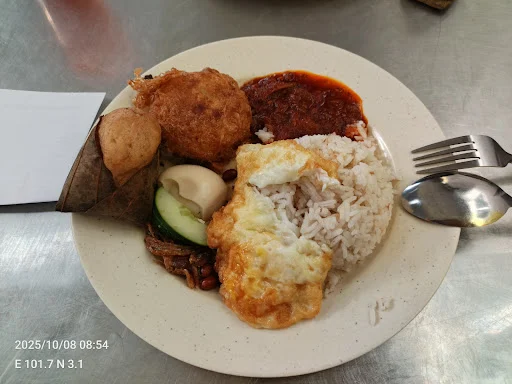
This is a section of a Malaysian menu featuring different types of Nasi Lemak, a popular traditional Malaysian dish.

Here’s what the menu says:

NASI LEMAK

1. Nasi Lemak Kosong – RM 3.00

> "Kosong" means "plain" in Malay. This is the basic version of nasi lemak, usually consisting of fragrant coconut milk rice served with sambal (spicy chili paste), cucumber slices, roasted peanuts, and fried anchovies.

2. Nasi Lemak Telur Mata – RM 3.70

> This version includes a fried egg ("telur mata" literally means "eye egg" in Malay, referring to a sunny-side-up egg) added to the basic nasi lemak.

3. Nasi Lemak Ayam – RM 9.30

> This is nasi lemak served with chicken ("ayam"), often fried or curried, making it a more filling meal.

About Nasi Lemak

Nasi lemak is considered Malaysia’s national dish and is also popular in Singapore, Indonesia, and Brunei. The rice is cooked with coconut milk and pandan leaves, giving it a rich aroma. It’s traditionally eaten for breakfast, but many Malaysians enjoy it any time of day.

Common accompaniments include:

Sambal (spicy chili paste)

Anchovies (ikan bilis)

Peanuts

Cucumber slices

Boiled or fried egg

Optional sides like fried chicken, rendang (spicy meat stew), or squid sambal

What each version might taste like or what drink pairs best with it?

Perfect 😋 — let’s find what each version of Nasi Lemak tastes like and what drinks go beautifully with them:

🥥 1. Nasi Lemak Kosong (RM 3.00)

Taste:
This is the simplest version — just the fragrant coconut rice, sambal, peanuts, anchovies, and cucumber. The rice is creamy and aromatic from the coconut milk and pandan leaves. The sambal gives a sweet-spicy kick that wakes you up, and the crunchy peanuts and anchovies add a nice contrast in texture.

Best drink pairing:

🧋 Teh Tarik (Malaysian pulled milk tea) — its creamy sweetness balances the sambal’s spice.

🧊 Or a cold Milo ais (iced chocolate malt drink) if you prefer something cooler and chocolatey.

🍳 2. Nasi Lemak Telur Mata (RM 3.70)

Taste:
This version adds a sunny-side-up egg (telur mata kerbau). When you break the yolk, it mixes with the rice and sambal to create a creamy, rich flavor. The combination of runny egg yolk and spicy sambal is comforting and addictive.

Best drink pairing:

☕ Kopi O ais (iced black coffee) — its bitterness cuts through the richness of the egg and coconut rice.

🫖 Teh ais limau (iced lime tea) — refreshing and balances the heaviness of the dish.

🍗 3. Nasi Lemak Ayam (RM 9.30)

Taste:
This is the deluxe version — nasi lemak served with fried or curried chicken. The fried chicken is usually marinated with turmeric and spices, giving it a golden crisp skin and juicy meat. When combined with sambal and coconut rice, it’s an explosion of sweet, spicy, savory, and aromatic flavors.

Best drink pairing:

🧃 Sirap bandung (rose syrup milk drink) — sweet, floral, and soothing against the sambal heat.

🍹 Iced lemon tea — a classic, refreshing option to cut through the richness.

✨ Fun fact:

In Malaysia, people often eat nasi lemak for breakfast, but it’s also popular for lunch, dinner, or even midnight snacks (especially from roadside stalls called warungs or mamak stalls).

Nasi Lemak Breakfast in Bangi Street Mall Kuala Lumpur

Church in Kuala Lumpur

Ice Lemon Tea in Kuala Lumpur

Nasi Goreng Ayam

Nasi Goreng Ayam

The Authentic Indonesian Fried Rice with Chicken

Nasi Goreng Ayam is more than just a plate of fried rice. It’s a symbol of Indonesian comfort food, a culinary treasure that blends sweet, salty, and spicy flavors into one irresistible dish. Across Indonesia, from the busy streets of Jakarta to the peaceful villages of Java, Nasi Goreng Ayam is cooked and loved by millions every single day.

🌏 The Story Behind Nasi Goreng Ayam

The name says it all — nasi means rice, goreng means fried, and ayam means chicken. But behind this simple translation lies a history that stretches back centuries. Nasi Goreng Ayam is believed to have evolved from Chinese fried rice (chǎofàn), brought to Indonesia by Chinese immigrants who introduced the art of stir-frying leftover rice. Over time, Indonesians infused it with local flavors — sweet soy sauce, spicy sambal, and fragrant shallots — creating a new national identity through food.

In Indonesia, Nasi Goreng Ayam isn’t just a meal; it’s a daily ritual. It’s breakfast, lunch, and even midnight supper. You’ll find it in street stalls known as warung nasi goreng, sizzling in smoky woks as vendors skillfully toss the rice over high flames, filling the air with that unforgettable aroma.

🍗 Ingredients You’ll Need

One of the reasons Nasi Goreng Ayam is so beloved is its simplicity. You don’t need expensive ingredients — just everyday items found in any kitchen. Here’s what you’ll need to make the most authentic version:

Core Ingredients:

  • 2 cups cooked rice (preferably a day old, so it’s dry and perfect for frying)
  • 200g cooked chicken, shredded or diced
  • 2 eggs (one for frying, one for mixing)
  • 2 cloves garlic, minced
  • 2 shallots, finely sliced
  • 1–2 fresh red chilies, chopped (adjust to taste)
  • 2 tbsp kecap manis (sweet soy sauce)
  • 1 tbsp soy sauce
  • 2 tbsp cooking oil
  • Salt and black pepper to taste

Optional Add-ons:

  • 1 tsp shrimp paste (terasi) for umami flavor
  • Sambal (Indonesian chili paste) for extra heat
  • Green onions, chopped, for garnish
  • Fried shallots (bawang goreng) for crunch
  • Cucumber and tomato slices for freshness
  • Prawn crackers (krupuk) for texture

🍳 Step-by-Step

How to Make Nasi Goreng Ayam

This traditional Nasi Goreng Ayam recipe is simple, quick, and full of authentic Indonesian flavor. Follow these easy steps:

1. Prepare the ingredients

Use leftover rice if possible. It fries better and doesn’t stick. Shred your cooked chicken, mince the garlic, and slice the shallots thinly. Beat one egg for scrambling, and keep another aside for frying later.

2. Fry the aromatics

Heat 2 tablespoons of oil in a wok or large frying pan over medium-high heat. Add minced garlic, shallots, and chopped chilies. Stir-fry for 30–40 seconds until fragrant and golden. The aroma should fill your kitchen.

3. Add the chicken

Add the shredded chicken to the wok and stir well. Let it cook until lightly browned and coated with the aromatics. If using shrimp paste, add a small pinch now for extra depth of flavor.

4. Scramble the egg

Push the chicken mixture to one side of the wok. Pour in the beaten egg and scramble it quickly. Once it’s half-cooked, mix it together with the chicken and spices.

5. Add the rice

Now comes the magic! Add your cold rice and break up any clumps. Stir-fry vigorously so the rice absorbs all the flavors. Every grain should be coated with oil and seasoning.

6. Season and color

Pour in kecap manis and soy sauce. These give Nasi Goreng its signature dark brown color and sweet-savory flavor. Stir-fry for another 3–5 minutes until everything is well combined.

7. Adjust and serve

Taste and adjust with salt or pepper if needed. For extra spice, add sambal. Serve your Nasi Goreng Ayam hot, topped with a fried egg, fresh cucumber and tomato slices, prawn crackers, and a sprinkle of fried shallots. A wedge of lime on the side gives a refreshing finish.

🍴 Indonesian Ways to Enjoy Nasi Goreng Ayam

In Indonesia, Nasi Goreng Ayam is eaten at any time of the day. It’s especially popular as a late-night snack sold by street vendors. Each vendor has a slightly different recipe, and locals often have their favorite warung that they swear makes the best version in town.

It’s also a family favorite — something easy to whip up when guests arrive unexpectedly or when you need to turn leftovers into something amazing. The sweet aroma of kecap manis sizzling in the wok is often the smell of home for many Indonesians.

🌶️ The Perfect Flavor Balance

Every bite of Nasi Goreng Ayam tells a story. The sweetness of the soy sauce, the saltiness from the chicken, the kick from the chilies, and the smoky “wok hei” flavor blend together into something uniquely satisfying. It’s comfort food with character — and once you taste it, you’ll understand why it’s Indonesia’s national dish.

🥢 Nutritional Value (Per Serving)

ComponentApprox. Value
Calories580 kcal
Protein28 g
Carbohydrates75 g
Fat22 g
Fiber3 g

It’s a complete, balanced meal — full of energy, flavor, and nutrition. For a lighter version, use brown rice or add more vegetables such as carrots, peas, or bean sprouts.

🌼 Cultural Significance of Nasi Goreng Ayam

In Indonesia, sharing food means sharing happiness. Nasi Goreng Ayam represents togetherness, warmth, and simplicity. It’s a dish that unites people — whether you’re a student grabbing a quick street meal or a family enjoying dinner at home.

It’s also a global ambassador for Indonesian cuisine. In 2011, CNN International ranked Nasi Goreng among the world’s 50 most delicious foods. Since then, it has become a must-try dish for travelers exploring the Indonesian archipelago.

🍽️ Popular Variations You Can Try

  • Nasi Goreng Kampung: A “village-style” version with anchovies or shrimp paste, offering a stronger flavor.
  • Nasi Goreng Jawa: Javanese-style, with extra chilies and garlic for a fiery taste.
  • Nasi Goreng Ayam Kecap: Sweeter version with more kecap manis.
  • Nasi Goreng Ayam Pedas: Spicy variation for chili lovers.
  • Nasi Goreng Ayam Pete: Includes petai (stinky beans), a favorite among Indonesians for its strong aroma.

💬 Fun Fact

Many Indonesian families have their own secret Nasi Goreng Ayam recipe — some add shrimp paste, others use leftover satay chicken or even beef. But one thing is certain: every household believes theirs is the best!

Even Indonesian presidents have called it their favorite comfort food. When visiting other countries, Nasi Goreng Ayam often appears on diplomatic dinner menus as a proud representation of Indonesian culture.

✨ Tips for the Best Nasi Goreng Ayam

  • Always use cold, day-old rice — freshly cooked rice will turn mushy.
  • Use high heat and a wok if possible to get that smoky flavor.
  • Don’t skip kecap manis — it’s the soul of the dish.
  • Add a fried egg on top for the classic Indonesian presentation.
  • Garnish with fried shallots and a slice of lime for freshness.

🍛 A Dish That Feels Like Home

Whether you’re eating it at a roadside stall in Bali or cooking it in your own kitchen, Nasi Goreng Ayam never fails to comfort and satisfy. It’s humble yet rich in flavor, simple yet deeply rooted in culture. This fried rice with chicken has conquered hearts far beyond Indonesia — loved by travelers, chefs, and home cooks all around the world.

So the next time you have leftover rice and some chicken, don’t let them go to waste. Turn them into something extraordinary. Turn them into Nasi Goreng Ayam.

❤️ Final Thoughts

Indonesian cuisine is full of life, color, and flavor — and Nasi Goreng Ayam captures all of it in one plate. It’s an easy recipe anyone can try at home, offering a taste of Indonesia’s warmth and simplicity. Serve it hot, enjoy it fresh, and let its aroma remind you of the vibrant streets of Indonesia.

Keywords: Nasi Goreng Ayam, Nasi Goreng Ayam recipe, Indonesian fried rice, how to make Nasi Goreng Ayam, traditional Indonesian food, best fried rice with chicken, Indonesian cuisine, street food Indonesia.


💬 Want More?

If you love discovering authentic dishes and cultural recipes from around the world, stay tuned to our blog for more! Try this recipe at home and share your version of Nasi Goreng Ayam in the comments — we’d love to hear from you.

👉 For sponsored posts or ad placement, contact us via our website. Your brand could appear right here next to delicious global recipes!

KL Forest Eco Park

A very famous eco-park in Kuala Lumpur is KL Forest Eco Park (also known as Taman Eko-Rimba Kuala Lumpur or Bukit Nanas Forest Reserve). 

Here are some of its highlights:

It's one of the oldest permanent forest reserves in Malaysia, established in 1906. 

Has a rainforest right in the heart of the city, next to KL Tower. 

Includes a canopy walk (suspension bridge) through treetops with views of the city skyline. 


If you’d like, I can also list a few more eco-parks around KL with directions & how to get there.

nasi goreng kampung

Best Malaysian Desserts You Must Try in 2025

Best Malaysian Desserts You Must Try in 2025

Malaysia is one of Southeast Asia’s most vibrant food destinations, and its desserts are as colorful and diverse as its culture. In 2025, food travelers and dessert lovers around the world are rediscovering traditional Malaysian desserts — a fusion of Malay, Chinese, and Indian influences. These sweet treats blend tropical ingredients like coconut milk, pandan leaves, palm sugar, and glutinous rice, creating flavors that are comforting, exotic, and unforgettable.

Whether you’re exploring Kuala Lumpur’s bustling food markets, Penang’s famous street stalls, or cozy cafés in Melaka, here are the 10 best Malaysian desserts you absolutely must try this year.

1. Cendol – The King of Malaysian Desserts

Cendol is a refreshing shaved ice dessert served with creamy coconut milk, palm sugar syrup (gula melaka), and green rice flour jelly. It’s one of Malaysia’s national treasures and a favorite among tourists. The balance of sweetness, creaminess, and a hint of salt makes every spoonful addictive. In 2025, many modern dessert cafés have started adding new twists to cendol — such as durian, red beans, or jackfruit toppings.

2. Ais Kacang (ABC – Air Batu Campur)

Ais Kacang, also known as ABC, is Malaysia’s version of a colorful ice mountain. This icy dessert features shaved ice layered with sweet corn, red beans, grass jelly, palm seeds, and flavored syrups. Some even top it with a scoop of ice cream or condensed milk for extra indulgence. The name “Air Batu Campur” literally means “mixed ice” — and it’s exactly that: a beautiful, chaotic mix of flavor and texture that perfectly represents Malaysian creativity.

3. Kuih Lapis – The Colorful Layer Cake

Kuih Lapis is a soft, chewy, and colorful steamed dessert made from rice flour, coconut milk, and sugar. Its vibrant layers make it one of the most photogenic traditional Malaysian desserts. Many people enjoy peeling the layers apart before eating — a fun childhood memory shared by Malaysians everywhere. Perfect for afternoon tea or as a festive snack!

4. Bubur Cha Cha – Comfort in a Bowl

Bubur Cha Cha combines the best of tropical ingredients: sweet potatoes, taro, sago pearls, and coconut milk. Served hot or cold, it’s one of Malaysia’s most beloved comfort desserts. In 2025, trendy cafés are giving Bubur Cha Cha a modern makeover with new ingredients like chia seeds and purple yam, while still keeping its soul intact.

5. Seri Muka – The Elegant Green and White Delight

Seri Muka is a two-layered traditional kuih with sticky glutinous rice at the bottom and fragrant pandan custard on top. The contrast between the creamy custard and chewy rice makes it unforgettable. The name translates to “Radiant Face,” symbolizing good fortune and elegance — and it truly lives up to that reputation at every celebration and tea party.

6. Pisang Goreng – Malaysia’s Golden Banana Fritters

Pisang Goreng means “fried banana” — and while simple, it’s deeply satisfying. Crispy on the outside, warm and sweet inside, these banana fritters are sold everywhere from street vendors to cafés. Try them with a cup of hot Malaysian coffee, or explore 2025’s food trend of Pisang Goreng Cheese — where the fritters are topped with shredded cheese and chocolate sauce. Sweet meets salty in the best possible way.

7. Pulut Hitam – Black Glutinous Rice Pudding

Pulut Hitam is a traditional dessert made with black glutinous rice cooked slowly with coconut milk and palm sugar. Its earthy, nutty flavor and creamy texture make it a popular choice after meals. It’s often served warm, but modern dessert bars now offer it chilled, sometimes topped with coconut ice cream — making it one of the most versatile Malaysian desserts to try in 2025.

8. Ondeh-Ondeh – Sweet Coconut Bliss

Ondeh-Ondeh are soft, chewy green rice balls filled with melted palm sugar and rolled in grated coconut. The moment you bite into one, the warm gula melaka syrup bursts in your mouth — pure bliss! These bite-sized delights are popular during festivals and afternoon tea. In 2025, you can even find purple sweet potato or matcha versions of Ondeh-Ondeh popping up in Instagram-worthy cafés.

9. Kuih Dadar (Kuih Ketayap) – The Pandan Coconut Roll

Kuih Dadar or Kuih Ketayap is a soft pandan-flavored crepe rolled with sweet grated coconut and palm sugar filling. Fragrant, chewy, and naturally green from pandan juice, it’s one of Malaysia’s favorite snacks. Perfectly portable and endlessly delicious, Kuih Dadar continues to be a must-have item during Ramadan and festive gatherings.

10. Tepung Pelita – The Creamy Banana Leaf Dessert

Tepung Pelita is a creamy two-layered pudding served in small banana leaf cups. The top layer is rich and slightly salty coconut cream, while the bottom is a smooth, sweet rice flour base. The combination melts in your mouth with every spoonful. In 2025, Tepung Pelita remains a Ramadan favorite and a comforting dessert enjoyed by families across Malaysia.

✨ Why Malaysian Desserts Are Loved Worldwide

Traditional Malaysian desserts are gaining global attention because they’re natural, gluten-free, and made with coconut milk instead of dairy. They represent the true taste of Southeast Asia — colorful, fragrant, and full of cultural stories. Whether you’re in New York, London, or Kuala Lumpur, these desserts are appearing in fusion restaurants and food festivals everywhere.

So, if you’re looking for a unique dessert experience in 2025, don’t miss these authentic Malaysian sweets. They’re not only delicious but also a taste of Malaysia’s history and heart.

🍧 Sponsored Recommendation

Craving Asian desserts at home? Discover Malaysian snacks and sweets from trusted online stores. Shop now and enjoy authentic flavors!

Which of these Malaysian desserts would you try first? Share your favorite in the comments and spread the sweetness!

Malaysian desserts (often called kuih-muih)

Here are some typical Malaysian desserts (often called kuih-muih), known for their rich flavors, tropical ingredients, and vibrant colors 🌴🍰:

---

🍮 1. Cendol

Ingredients: Shaved ice, coconut milk, palm sugar syrup (gula melaka), and green rice flour jelly.

Taste: Sweet, creamy, and refreshing — perfect for hot weather.

Fun fact: Cendol is so iconic that there are shops across Malaysia and even in neighboring countries devoted just to it!


---

🍧 2. Ais Kacang (ABC – Air Batu Campur)

Ingredients: Shaved ice, sweet corn, red beans, grass jelly, palm seeds, and syrup (often rose or palm sugar syrup).

Taste: A colorful mix of textures and flavors — crunchy, chewy, creamy, and icy all at once.

Fun fact: “ABC” literally means mixed ice — Malaysia’s version of a layered ice dessert.

I asked for ABC this time after lunch because I ate Cendol two times in this and another restaurants. 
---

🍰 3. Kuih Lapis

Ingredients: Rice flour, coconut milk, and sugar, steamed in colorful layers.

Taste: Sweet and slightly chewy.

Fun fact: It’s common to peel and eat layer by layer — especially among kids!


---

🍠 4. Bubur Cha Cha

Ingredients: Coconut milk, sweet potatoes, taro, sago pearls, and sometimes banana.

Taste: Sweet, rich, and aromatic.

Fun fact: Can be served hot or cold — perfect for any weather.


---

🍮 5. Seri Muka

Ingredients: Two layers — green pandan custard on top and glutinous rice on the bottom.

Taste: Fragrant, creamy, and sticky.

Fun fact: The name Seri Muka means “radiant face” — symbolizing beauty and luck.


---

🍌 6. Pisang Goreng

Ingredients: Deep-fried banana fritters.

Taste: Crispy on the outside, soft and sweet inside.

Fun fact: Often sold by street vendors and enjoyed as an afternoon snack rather than a dessert.


---

🌾 7. Pulut Hitam

Ingredients: Black glutinous rice, coconut milk, and palm sugar.

Taste: Earthy and creamy with a nutty sweetness.

Fun fact: A comforting dessert often served warm.


---

🥥 8. Ondeh-Ondeh

Ingredients: Glutinous rice balls filled with molten palm sugar and coated in grated coconut.

Taste: Chewy and bursting with sweet gula melaka.

Fun fact: A favorite during festive seasons and tea time.


---

🥭 9. Kuih Dadar (Kuih Ketayap)

Ingredients: Green pandan crepe filled with sweet grated coconut and palm sugar.

Taste: Sweet, fragrant, and slightly chewy.

Fun fact: Commonly served during Ramadan and traditional gatherings.


---

🍍 10. Tepung Pelita

Ingredients: Layers of rice flour pudding and coconut milk custard, usually steamed in banana leaf cups.

Taste: Sweet, soft, and slightly salty on top.

Fun fact: A popular treat during the fasting month.


---


ABC & Ice Creams in Malaysia

ABC & Ice Creams in Malaysia

😋 You’ve now reached the dessert section of the Malaysian mamak menu. 

Here’s the breakdown so you can pick the best option:


🍧 Local Malaysian Specials

ABC (No. 73, RM7.50) – “Ais Batu Campur” is shaved ice topped with syrup, condensed milk, sweet corn, red beans, jelly, and sometimes ice cream. Colorful, refreshing, and fun.

Cendol (No. 74, RM5.90) – Shaved ice with coconut milk, palm sugar (gula melaka), and green rice flour jelly. Creamy, sweet, and uniquely Malaysian.

👉 Between the two, Cendol is the classic choice. ABC is bigger and more festive if you want the full “ice kacang” experience.


🍦 Western-Style Options

Milkshakes (Vanilla/Chocolate/Strawberry, RM11.50) – Sweet and creamy, but more expensive.

Ice Cream 2 Scoops (RM5.50) – A simple, lighter dessert, though less special compared to ABC or Cendol.


🔥 Best Recommendation

If you want a true local experience, go for Cendol (classic) or ABC (fun & big).

Answer: I selected Cendol.

If you want something safe and light, choose Ice Cream 2 Scoops. Skip the milkshake unless you’re craving a heavy, Western-style sweet.

Teh /Kopi / Nescafe / Milo

Teh /Kopi / Nescafe / Milo

👌 The drink makes or breaks your mamak meal. Looking at the menu, here are the highlights depending on your mood:


🥛 Classic Mamak Experience

Teh Tarik (No. 1, RM2.50 hot / RM3.20 cold) – The signature drink. Creamy, frothy, slightly sweet milk tea. If it’s your first time, go with this.


🌶️ Spiced & Warming

Teh Halia (No. 2, RM3.50 hot) – Tea with ginger. Great if you enjoy a little warmth and spice.


🧊 Refreshing Options

Teh O Limau (No. 5, RM2.90 hot / RM3.20 cold) – Tea with lime, light and refreshing.

3 Layer Tea (No. 9, RM6.80 cold) – An Instagram-famous drink: palm sugar syrup + evaporated milk + tea, beautifully layered. Very sweet, almost like a dessert in a glass.


🍫 Chocolate Lovers

Milo Ais Tabur (No. 20, RM5.90) – Iced Milo topped with extra Milo powder. Rich, cold, chocolatey—a Milo overdose in the best way.

Neslo (No. 21, RM4.70 hot / RM5.90 cold) – A mix of Nescafe and Milo, perfect if you can’t choose between coffee or Milo.


☕ Coffee Fans

Kopi (No. 11, RM3.00 hot / RM3.70 cold) – Strong Malaysian coffee with condensed milk.

Bru Coffee (No. 16, RM4.30 hot / RM5.60 cold) – A slightly more premium option, strong and aromatic.


🔥 Best Pairings with Roti

Savory roti (like Roti Telur Masala) → Pair it with Teh Tarik or Kopi for a classic combo.

Sweet roti (like Roti Milo, Pisang, or Tissue) → Try Teh O Limau (to balance sweetness) or go all-in with Milo Ais Tabur.

Roti Canai Varieties

Mamak menu. Roti Canai Variety.

Nice! 🍽️ That’s a proper Mamak menu — so many roti varieties 😍. It depends on whether you’re in the mood for savory or sweet, so here are my recommendations:


⭐ Savory Picks

Roti Canai Telur Masala (No. 83, RM6.00) – Egg + spiced masala mix (onion, chili, curry leaves). Flavorful and filling.

Roti Canai Telur Goyang (No. 85, RM5.60) – With a soft runny egg inside. Perfect if you like gooey textures.

Roti Cheese (No. 86, RM5.60) – Cheesy, stretchy, and great with curry or sambal.

Murtabak Ayam or Daging (No. 80–81, RM10.50) – Bigger, stuffed with meat + egg + onion, more like a full meal.


🍯 Sweet Picks

Roti Milo (No. 90, RM5.20) – For Milo lovers, chocolatey and malty, like a dessert roti.

Roti Pisang (No. 87, RM4.80) – Banana-filled, soft and sweet, amazing with condensed milk.

Roti Tissue (No. 89, RM5.20) – Paper-thin, tall and crispy, sprinkled with sugar — fun to eat and very Instagram-worthy.

Roti Boom (No. 93, RM4.00) – Smaller, thicker, and buttery-sweet version of roti canai.


🔥 My Top Combo Recommendation

If you want savory: Go for Roti Canai Telur Masala with a side of curry.

Answer: I selected Roti Canai Telur Masala.


If you want sweet: Try Roti Milo or Roti Pisang, and maybe share a Roti Tissue for fun.

👉 If you’re extra hungry, order one savory + one sweet to balance it out. That’s what many locals do!

Dataran Malawati (Malawati Square), Kuala Selangor

Dataran Malawati (Malawati Square), Kuala Selangor

Address & Location: Dataran Malawati is located at Jalan Raja Lumu, 17, Kuala Selangor, Selangor, Malaysia. 

What is Dataran Malawati?

Dataran Malawati is a public square / open space in Kuala Selangor town centre, often used for leisure, photos, small gatherings, and as a starting point or focal point for walking around the old town (Pekan Lama). It lies close to Bukit Malawati (Malawati Hill) and other landmarks like the 0 KM Kuala Selangor (lighthouse area), Merdeka Clock Tower, and food & café spots. 

It has been upgraded as part of the “Rancangan Kawasan Khas (RKK) Bandar Malawati 2025”, which aims to enhance heritage, nature, green spaces, public amenity, and tourism.

What You Can See & Do at Dataran Malawati

  • People watching & local life: Because it’s in the town centre, it’s an easy place to see everyday Kuala Selangor life — local shops, street food, locals gathering, small stalls, etc.
  • Photo spots: The square is near to other landmarks so you can use it as a base to walk to Merdeka Clock Tower, to the 0 KM Kuala Selangor / Lighthouse view, or to Bukit Malawati. There are mural arts (street art) and scenic views around.
  • Relax & view sunset: In the late afternoon and early evening, the light over the Selangor river estuary is nice from this area. Even though the square is relatively low elevation, being close to the river, the ambience is cool at dusk.
  • Events & gatherings: Occasionally used for local events, exhibitions, or public promotions (especially under RKK Bandar Malawati). If you time it right, you might catch cultural performances or night markets. 3

Nearby Landmarks & How It Links with Other Attractions

  • Bukit Malawati (Malawati Hill): Just up the hill from the square. From Dataran Malawati you can head up to Bukit Malawati to see the lighthouse, old fort ruins, silvery leaf monkeys, the royal mausoleum, etc. The walk or drive up provides views over the estuary and the town.
  • Sultan Salahuddin Abdul Aziz Shah Bridge: A large bridge over Selangor River nearby — gives you views of river flow, boats, and of course good photo opportunities.
  • Old Town / Pekan Lama Kuala Selangor: Nearby, you can walk around old shop houses, enjoy street food, visit small café́s, see colonial-era and local heritage architecture. Dataran Malawati is a good starting point.

Practical Info & Hidden Tips

  • Opening hours & best time: It’s an open square so accessible always (unless special events). Best in late afternoon to early evening for cooler weather and better light for photos. After sunset the square and nearby streetlights and café́s make ambience.
  • How to get there: If driving, use Jalan Raja Lumu in Kuala Selangor. If using GPS or Waze, search for “Dataran Malawati Kuala Selangor”. Public transport might drop you in town then walk. 
  • Facilities: There are benches, perhaps food stalls or cafés around, open space for walking. Because of renovation/upgrades under RKK, expect signage, lighting, better sidewalks. 
  • Bring: Camera (for sunset / photos), comfortable shoes, mosquito repellent (river/sea + evenings), a hat or shade in midday, cash for small food stalls.

“Dataran Malawati Kuala Selangor”, “Malawati Square”, “things to do Kuala Selangor”, “heritage square Kuala Selangor”, “walk around Kuala Selangor old town”, “photo spots in Kuala Selangor”, “sunset river views Kuala Selangor”, “Bukit Malawati link”, etc.

Extraordinary Feature

One feature that people might not know is that Dataran Malawati was formerly a large field that was converted into a public square. Under the 2021‑2025 Rancangan Kawasan Khas Bandar Malawati, the square has been redesigned with universal‑design elements (for accessibility), improved lighting, better public amenities, and landscaped surroundings. It now plays double role: both as a heritage/heritage tourism node, and as a place for locals to relax, gather, and linger (which for tourists makes it less “just another square” and more of a place to soak in rhythm of local life).

Main Attractions in Kuala Selangor

History & Population of Kuala Selangor

Kuala Selangor is a district and town on the western coast of Peninsular Malaysia, in the state of Selangor. It lies where the Selangor River meets the Strait of Malacca. Historically, its strategic position by the river made it an important trading post; it also saw many conflicts during colonial times, including with the Dutch, Portuguese, and the British. The fort at Bukit Melawati, the royal mausoleum, the lighthouse—all bear marks of its maritime, royal, and colonial past. As for population, Kuala Selangor combines fishing villages, small towns, and rural areas. The local residents are ethnically diverse: predominantly Malay, with Chinese, Indian, and Orang Asli (indigenous) communities. Many peoples’ livelihoods still depend on fishing, agriculture, and tourism. Recently, more urban spillover from Greater Kuala Lumpur has led to increased development, but much of the area still retains its natural and traditional character.

Main Attractions in Kuala Selangor 

Detailed Guide & Hidden Gems

Bukit Melawati (Melawati Hill)

Bukit Melawati is one of the most iconic places in Kuala Selangor. Perched above the river estuary, it consists of old fort ruins, a lighthouse, the royal mausoleum, and historic cannons. Over the years it was a defensive site for the Malay sultans; later the Dutch took control, and then the British. The ambience is peaceful, especially late afternoon as the light softens. Inside the hill are silvery leaf monkeys (monyet daun perak) which are used to people. If you’re quiet, you may see them moving among the trees. Also there are steps and trails that lead to lookout points—one of the best is near the lighthouse, giving great views of sunset over the estuary. Address & Access: Bukit Melawati is about 2‑3 km from Kuala Selangor town center. If driving from KL, take LATAR Expressway or route through Sungai Buloh → Kuala Selangor. Best visited in late afternoon so you can stay to see sunset and then head to fireflies later in the evening. Hidden Tip: Bring your torch (flashlight) if staying after dusk to descend safely; also bring some snacks and water because food options on the hill are limited, and some vendors may close before nightfall.

Kuala Selangor Nature Park (Taman Alam Kuala Selangor)

This is a protected area of about 2.4 km² combining mangrove swamp, wetlands, secondary forest and ponds. Established in 1987, and managed by the Malaysian Nature Society. 0 It’s especially good for bird watchers (eg. milky storks, herons), wildlife lovers (silver leaf monkeys, long‑tailed macaques), and anyone who loves mangrove ecology. The boardwalks, observation towers, and well‑marked trails make exploration fairly easy. Hidden Gems & Lesser Known Things: At certain times, the pond by the bund (dyke) has water locks opening to the river—this is interesting to observe for those who enjoy how ecosystems respond to tidal changes. Also, you might see fireflies emerging in the mangrove fringes before full dusk, so timing your visit around that can add “twilight magic.” Directions: Located near the mouth of Selangor River. From Kuala Selangor town, head towards Pasir Penambang / Nature Park signboards. There is a visitor center. Open during daylight hours; bring insect repellent and wear shoes that can tolerate mud if you go near the mangrove fringes.

Sky Mirror / Sasaran Beach Sky Mirror

Sky Mirror, sometimes called Sasaran Beach Sky Mirror, is often described as Malaysia’s “mirror” phenomenon (like Bolivia’s Salar de Uyuni) because when conditions are right, shallow water over sand reflects sky and clouds perfectly. 1 It appears only for certain dates in the lunar month (commonly around low tides), and only for a few hours around that tidal low. So timing is everything. Boat rides to Sky Mirror originate from the Sky Mirror Jetty (Pekan Lama Kuala Selangor) or jetties in Pasir Penambang. The ride can take ~30 minutes depending on boat speed. For photographers or Instagrammers, colours in early morning or late afternoon tend to give richer reflections (golden hour). Midday can produce harsh light. Less well known: some tours include local fishermen or guides who show you traditional fishing tools or let you try casting simple nets around the sandbank area when water is very shallow. Also, if tides are late, the area around the sandbank becomes exposed and you can walk a bit to explore small tidal creatures (with care). Bring water shoes, sunshade, and extra clothes. Address: Jeti Pekan Lama Kuala Selangor, 45000 Kuala Selangor, Selangor. 2

Fireflies (Kampung Kuantan, Bukit Belimbing, Pasir Penambang)

Watching fireflies in Kuala Selangor is one of the must‑do experiences. The *Pteroptyx tener* species congregate along the berembang trees on the banks of the Selangor River, and their synchronized flashes are a spectacular natural light display. 3 There are a few key places: Kampung Kuantan Firefly Park (public), Bukit Belimbing Firefly Park Resort (chalet/tourist infrastructure), and Pasir Penambang Jetty (often used by private tour operators). 4 Best time to see them: dry months (March‑October), nights with little or no moonlight because brightness is better in darker nights. Tour usually begins just after sunset (~7.30‑8pm) and lasts about 20‑30 minutes. 5 Insider Tips: Arrive early at the jetty so you can see dusk, which is helpful for finding the fireflies; choose smaller, manually rowed boats or electric boats rather than large boats with motors to better conserve the atmosphere; avoid flash photography; keep voices low. Combine fireflies trips with eagle feeding or blue tears if your operator offers combo tours. Also, if staying overnight, choose chalet or homestay near the river so you can hear mangrove sounds at night. Prices & Access: Approx RM20‑RM50 per person depending on location and boat type; Pasir Penambang is among more affordable options. 6

Eagle Feeding

Eagle Feeding is often done in the same evenings as fireflies tours, launched from Pasir Penambang. In this activity, guides throw bait (e.g. chicken skin) into the river, and eagles swoop in to catch them. It’s a dramatic natural show especially at dusk, with silhouettes of birds against orange skies. Combining eagle feeding + fireflies + blue tears can make for a full magical‑evening package. 7 Often, operators will anchor near river mouths where large eagles are known to frequent (e.g. near mangrove fringes, near fishing villages). In quieter nights, you may also hear owls or other nocturnal birds. Bring binoculars if you have them; sometimes you’ll get closer views.

Blue Tears (Bioluminescent Water Plankton)

Blue Tears refers to glowing marine plankton (dinoflagellates) that emit light when the water is disturbed. In Kuala Selangor, some tours include this after or during fireflies/eagle‑feeding trips (if operators go further out into brackish water/estuary). 8 Seeing them requires very dark conditions (no moonlight, minimal light pollution), calm water, and clear weather. Even a small wave or splash can trigger the glow. If you’re lucky, sometimes service boats or local fishermen disturb the water—if you ask politely, guides can take you closer to areas where plankton are more active. Also waterproof phone cases help if you want to try capturing it (use long exposure). But enjoy with your eyes more than your camera: often easier and more magical in person than in photos.

Fishing Village & Fresh Seafood

The fishing village of Pasir Penambang is a living hub of local culture, seafood, and riverside life. Stilt houses, docked fishing boats, fish markets, and the smell & sound of nets being hauled in make this a vivid visit. For many visitors, fresh seafood meals are a highlight: think grilled fish (“ikan bakar”), prawns, butter prawns, chilli crab, steamed fish, and local Malay‑style cooked seafood. 9 Lesser known: some smaller stalls run by families will cook their catch in simple traditional style (wood charcoal grills, banana leaf wraps), which often taste more authentic. Try buying directly from fish vendors in the morning, then asking a restaurant to cook it for you (in Malay this is “masak ikut taste” — they may accept requests for how spicy, with what herbs, etc.). Also keep an eye out for seasonal catches: during certain months small lobsters, certain crabs, or fish are more abundant. Address: Jalan Besar, Pasir Penambang; Pasar Basah Pasir Penambang. Best to visit for lunch or early evening. Combine with boat rides (after sunset) for a full cycle experience.

Sri Shakti Dhevasthanam Temple, Bukit Rotan

A unique Hindu temple in Bukit Rotan, in Kuala Selangor district. What makes this temple stand out is its architectural features: the Rajagopuram (tower) with multiple tiers (five‑tier), approximately 74 feet tall; 96 carved pillars; 51 Shaktis monuments installed; and rare Thundu Pattirippu Pathroba Pathram technique. 10 It’s a peaceful, spiritual place, good for early morning or late afternoon visits. Address: Jalan Kuala Selangor, Bukit Rotan, 45700, Selangor. Visitors should dress modestly; there is no entrance fee. Around festivals, there are colourful decorations and special rituals which can be interesting if you happen to be there.

Sasaran Art Park (Balai Seni Sasaran)

Sasaran Art Park is an open air art space/gallery in Jeram (Kuala Selangor). It’s about 12 km from the town centre. It offers a chance to see local artists’ works, sometimes murals, sculptures, possibly workshops or local craft displays. Good for travellers who like calm culture, photography, and arts. You might visit during weekends when some live art performances or local market stalls pop up. Hidden tip: bring a sketchbook or camera; also walk around neighbouring villages to see daily life—children, fishermen, small shops, rice fields—these often make for memorable photos and interactions.

Remis Beach (Pantai Remis)

Pantai Remis is quieter than many busy beaches, and offers wide sandy shores, seas breeze, and good sunset views. It’s located roughly 20 km south of Kuala Selangor, near Jeram. If you’re seeking a slow afternoon or evening where you can relax, stroll, or even picnic, this is a good spot. There are some seaside stalls serving simple snacks, drinks, and seafood. Less infrastructure means fewer crowds. Hidden tip: on some days fishermen bring in catch here too; sometimes you can buy fish directly, or see nets being cast or pulled. Also, morning walks are good here (sunrise) for cooler temperatures and nicer light. Bring mosquito repellent since mangrove nearby can have biting insects at dawn/dusk.

Additional Attractions & Lesser Known Gems

While you listed most of the major ones, here are a few more that are often overlooked or not mentioned in many guides:

  • Sultan Ibrahim Mosque (Masjid Sultan Ibrahim): The main mosque of Kuala Selangor district, built in early 1980s. Modernist architecture, large open spaces. Good to visit for its calmness, especially during non‑peak prayer times. 11
  • Muzium Daerah Kuala Selangor (Kuala Selangor District Museum): A small museum near Bukit Melawati which holds historical artefacts, old maps, traditional tools, photographs. Helps place what you see around (fort, lighthouse, village life) in context.
  • Muzium Permainan Tradisional (Traditional Games Museum): A tiny museum showing old Malay games, toys, and items—fun especially if you travel with children, or if you enjoy cultural history. Sometimes local elders volunteer to demonstrate games.
  • Local coconut farms / coconut juice stalls: Near Pasir Penambang or along rural roads, there are small farms or roadside stalls selling fresh coconut water, coconut products—good refreshment in hot midday. Ask locals—these almost never show strongly on tourist websites.
  • Walk in Pekan Lama Kuala Selangor (Old Town): The old town area has old shop‑houses, local cafés, street art, small markets, and local life. Especially nice in early morning. You might find artisan crafts, snacks, or people making traditional items.

Practical Tips & Itineraries

  • Getting There: From Kuala Lumpur it’s about 1 to 1.5 hours by car depending on traffic, mostly via LATAR Expressway (E25) or via route through Sungai Buloh. If using public transport, you’ll need to combine bus + taxi/Grab for final legs. Car gives more flexibility. 12
  • When To Visit: March‑October is generally drier, better weather, less rain obstructing views and boat rides. For fireflies & blue tears: aim for nights that are not full moon. For Sky Mirror: low tide & correct lunar dates. Plan ahead.
  • Clothing & Gear: Comfortable breathable clothing; shoes that can get muddy or wet; insect repellent; flashlight/headlamp; waterproof bag or cover for camera; extra clothes/swimsuit if doing beach or sandbank tours.
  • Food & Timing: Eat local seafood in Pasir Penambang (dinner after fireflies) or earlier in the day. Try small family‑run stalls. If staying overnight, choose accommodation close to river so you wake up with nature sounds.
  • Combos & Scheduling: To make the most: morning → Bukit Melawati or Nature Park; mid‑day → lunch + rest; afternoon → Sky Mirror; evening → seafood dinner; night → fireflies / eagle feeding / blue tears. If you have two days, you can weave in lesser known gems.
  • Local Interaction: Talk to boatmen / fishermen—they often know small hidden spots (for example little mangrove arms with many fireflies, small fishing hideouts) that typical tour maps don’t include. Be respectful of environment (no littering, no flash).

Concluding Thoughts

Kuala Selangor has become more than just a place to see fireflies. It offers a rich mix: nature, wildlife, riverside culture, local food, spiritual sites, art, beaches, and simple living. What makes it special is the slow pace, the natural phenomena (fireflies, Blue Tears, reflective sandbanks), and the people who live there. For anyone willing to look beyond the brochure, there are experiences that feel almost secret—whether it’s sitting quietly in mangrove dusk, hearing the wings of eagles at twilight, stepping on a temporary sand mirror reflecting the sky, or sampling a village‑style seafood meal cooked over wood fire. If you go there expecting only the major sites, you’ll enjoy—but if you go there curious, open, and with time, Kuala Selangor can give memories that stick longer than just photos.

Malaysia One-Day Excursions

Kuala Lumpur, the vibrant capital of Malaysia, is a bustling city that also serves as a perfect hub for exciting day trips and tours to nearby attractions. From natural wonders to cultural landmarks, there are plenty of options for travelers seeking adventure and exploration.

Here are some of the most popular day tours from Kuala Lumpur that you should consider adding to your Malaysia travel itinerary:

🎥 Watch: Visit Malaysia Travel Playlist

Batu Caves Tour: Just outside Kuala Lumpur, the Batu Caves feature a series of impressive Hindu shrines and the famous colorful stairway leading to the main cave. Many tours include round-trip transport, making it an easy half-day excursion.

Genting Highlands: Escape the heat at this popular hill resort featuring a casino, shopping malls, and theme parks. Most Genting Highlands day tours include transportation, tickets to attractions, and plenty of entertainment options.

Malacca Day Trip: A UNESCO World Heritage-listed city, Malacca (Melaka) is rich in history, culture, and colonial architecture. Day trips usually include visits to historical sites, museums, and vibrant street art locations.

Cameron Highlands: Known for its tea plantations, strawberry farms, and refreshing climate, Cameron Highlands tours are a favorite for nature lovers. Expect scenic landscapes, flower gardens, and local markets.

Firefly Watching Tour: Experience the magical sight of thousands of fireflies glowing along the riverbanks near Kuala Selangor. Many tours combine this with a seafood dinner by the river.

Elephant Sanctuary Tour: Visit the Kuala Gandah Elephant Sanctuary and spend the day interacting with rescued elephants. Tours often include opportunities to feed and bathe these gentle giants.

Kuala Selangor Nature Park: Explore mangrove forests and birdwatching trails at this coastal reserve. Evening tours often include a river cruise to spot fireflies and a delicious seafood dinner.

Kuala Lumpur City Tour: If you want to stay in the city, guided tours cover highlights like the Petronas Twin Towers, Merdeka Square, Sultan Abdul Samad Building, and KL Tower.

Sunway Lagoon: Perfect for families, this mega theme park features water rides, amusement zones, and wildlife encounters. Many Sunway Lagoon day tours include entrance tickets and transfers.

Putrajaya Tour: Visit Malaysia's modern administrative capital, Putrajaya, famous for its futuristic architecture, the pink Putra Mosque, and scenic bridges.

When booking Kuala Lumpur day tours, always check the itinerary, inclusions, and traveler reviews to choose the best option for your schedule and interests.

✈️ Grab the Best Deals on Flights, Hotels, and Tours

Compare Now

test

Book & Save: Tiqets Kiwi GetYourGuide Amazon
Advertisement
AI Advisor — Ask me anything
Stays active all session
Hi! Ask me about travel, immigration, Spain, India, or any topic on Latestfoto.com. I find posts, affiliate deals, and follow-up questions for you.
Best places in Spain? Cheap flights Madrid US immigration 2026 India travel guide Free tours Europe
✨ Free AI Skin Analysis! Try Now →

✈️ Flight Deals

Error fares & cheap flights — updated daily

Loading flight deals…

Flight

facebook

Featured Post

Blanquirroja - Restaurante y Bar Peruano en Valladolid


Last 30 days' visitors

AI Advisor
AI Advisor ❌

Look what is published:

Try Desktop
Purchase from

chat

Ask a Question

Enhance Your Success with Increased Visitor Engagement!
Ready to leave your mark? Partner with us and witness your business flourish!

7 Days-Popular Articles


How to Find Articles Relevant to Your Interest.

Top Internet Search Topics.

Join Our Writing Community!

🚀✍️ Embrace your passion for words and turn your free time into an exciting writing adventure & earning! Collaborate with us and elevate your writing game. 🌟

🚀✍️ Explore the world of guest writing and enjoy the added bonus of a backlink to your blog. Let's create captivating content together! 🌟

Scan QR code. Buy me a coffee.

Enjoying This Website?

Give Us Your Vote!

Follow Us on Facebook

Follow Us on Facebook

Follow Us Now!

Buy & Sell Your Video

Have an interesting video? Earn money by sharing it with us.

Learn a Language for Travel, PR, or Citizenship

Offer Your Own Language
-------------------------
See More. Do More. Share More.
Join Our Newsletter

Get exclusive discounts & travel tips straight to your inbox.

Please type this word to confirm you're human:

© Latestfoto.com — Questions. Curiosity. Discoveries.