Showing posts sorted by date for query Literature. Sort by relevance Show all posts

Al-Ándalus

Al-Ándalus (also written Al-Andalus) was the name used by Muslims for the parts of the Iberian Peninsula (modern-day Spain and Portugal) that were under Islamic rule between 711 and 1492.

It began when Muslim armies from North Africa crossed into Iberia in 711 and defeated the Visigothic kingdom. Over time, Al-Ándalus became one of the most advanced and culturally rich regions in medieval Europe.

Main periods of Al-Ándalus

  • 711–756 – Muslim conquest and rule under the Umayyad Caliphate.
  • 756–929 – Independent Emirate of Córdoba.
  • 929–1031 – Caliphate of Córdoba, considered the golden age.
  • 1031–1492 – Smaller Muslim kingdoms called taifas, followed by gradual Christian reconquest.
  • 1492 – The fall of Alhambra in Granada marked the end of Muslim rule in Iberia.

Why Al-Ándalus is important

Al-Ándalus became famous for:

  • Science and mathematics
  • Medicine and astronomy
  • Architecture
  • Philosophy and literature
  • Agriculture and irrigation systems

The city of Córdoba was one of the largest and most educated cities in Europe during the 10th century.

Famous places from Al-Ándalus

Mezquita-Catedral de Córdoba

Originally a grand mosque built during Islamic rule, later converted into a cathedral.

Alhambra

A palace and fortress complex known for Islamic art, gardens, and architecture.

Giralda

Originally a minaret built during the Almohad period, now part of Seville Cathedral.

Cultural influence today

Al-Ándalus left a huge influence on:

  • Spanish architecture
  • Spanish vocabulary (many Spanish words come from Arabic)
  • Music and food traditions
  • Irrigation and farming techniques

The region name Andalusia likely comes from “Al-Andalus.”

Mind-Blowing AI Toolbox for Grant Writing

This unified guide presents all essential AI tools (LLMs + search engines + literature tools) that can dramatically speed up and strengthen grant writing.

1. Complete Workflow (All Tools Combined)

  1. Brainstorm & concept building: Use GPT, Claude, Gemini, Bing Copilot.
  2. Literature & evidence search: Use Perplexity, Consensus, ExplainPaper, Research Rabbit, Litmaps.
  3. Reference management: Capture citations with ZoteroBib.
  4. Draft proposal sections: Generate background, aims, significance, innovation and methods with GPT/Gemini/Claude.
  5. Fact-check & validation: Use Consensus and Perplexity to confirm claims.
  6. Ethics, safety & responsible wording: Use Claude for sensitive ethical sections.
  7. Final structure, formatting & compliance: Use GPT/Bing Copilot for checklists and reviewer-friendly edits.

2. LLM Tools Overview

Generative Pre-trained Transformer (GPT)

Best for brainstorming, drafting, rewriting, coding (pipelines, simulations) and structuring large grant components. The “Projects” feature helps break tasks into structured steps.

  • Create project summaries, aims, timelines and lay summaries.
  • Rewrite text for clarity, significance and impact.
  • Generate tables for budgets, milestones and Gantt charts.

Bing Copilot

Microsoft’s competitor to ChatGPT with web+LLM integration. Excellent for pulling fresh official information (agency calls, updated guidelines).

  • Check updated funding priorities.
  • Summarize new agency programs, eligibility rules.

Google Gemini

Google’s strongest LLM with deep search integration and structured responses.

  • Get multi-source summaries and fact-backed paragraphs.
  • Create multi-format outputs (tables, bullet summaries, timelines).

Claude (Anthropic)

Focused on ethics, logic and safe reasoning. Ideal for sensitive proposal sections.

  • Prepare ethical statements, risk mitigation and consent sections.
  • Improve clarity in reviewer-facing responses.

3. Literature & Evidence Tools

ExplainPaper.com

Upload or paste difficult scientific papers—tool explains them in simple language and answers questions about methods and results.

Consensus

Search engine that returns science-based conclusions from published papers. Extremely useful for fact-checking paragraphs.

  • Ask any question (Y/N or open) to get peer-reviewed evidence summaries.

Perplexity.ai

AI-powered search tool with citations. Great for quick context, statistics, project justification and policy-related evidence.

Research Rabbit

Visual literature discovery tool showing citation networks, related papers and researchers.

Litmaps

Find new relevant papers, visualize literature clusters and set alerts to stay updated.

ZoteroBib

AI-enhanced reference manager to generate and export accurate citations quickly.

4. Combined Literature Review Strategy

  • Perplexity: quick overview + cited answers.
  • Consensus: confirm evidence-based statements.
  • ExplainPaper: simplify dense papers.
  • Research Rabbit + Litmaps: map the field and identify gaps.
  • ZoteroBib: generate bibliography instantly.

5. Integration Ideas for Grant Writing

  • Draft paragraphs with GPT → verify claims with Consensus → add citations through ZoteroBib.
  • Use Gemini to convert funder criteria into a checklist and verify compliance.
  • Ask Claude to rewrite ethical sections in precise, safe and conservative language.
  • Create reviewer personas with GPT and generate responses to anticipated criticisms.
  • Build budget tables, milestone charts and timelines automatically with GPT.
  • Use Perplexity to validate statistics, prevalence data and global burden numbers.

6. Ready-to-Use Prompt Templates


"Write 3 Specific Aims for a project on [topic]. Each aim must include:
- The hypothesis
- The approach (1 sentence)
- Expected deliverables and milestones with month numbers."

"Here is a claim: '[insert claim]'.
Find 5 peer-reviewed papers supporting or contradicting it.
Provide 2-sentence evidence summaries + citation lines."

"Rewrite this section to emphasize innovation, feasibility and reviewer clarity.
Maintain scientific accuracy and remove unnecessary jargon."

"Draft a 200-word Ethics & Safety paragraph covering consent, data protection,
risk mitigation and adverse event procedures."
  

7. AI Ethics & Safety (Important)

  • Always verify AI-generated references — LLMs may hallucinate citations.
  • Use Consensus/Perplexity to confirm scientific claims before submission.
  • Never paste identifiable participant data into external tools.
  • Use Claude for cautious, ethical and compliant wording.
  • Keep a record of prompts and outputs for transparency if required by funders.

8. 60-Minute Rapid Grant Prep Sprint (All Tools Together)

  1. Use Bing Copilot or GPT to extract key priority areas from the funding call.
  2. Run claims through Consensus and Perplexity for evidence and citations.
  3. Draft a 500-word summary + 3 aims using GPT or Gemini.
  4. Prepare ethics section with Claude.
  5. Generate references in ZoteroBib.
  6. Create a Q&A reviewer response list with GPT.

All tools above combine to support faster, clearer, evidence-backed grant writing from concept to submission.

Symbaloo

Symbaloo is a web-based platform that allows users to organize and access their favorite websites, resources, and online tools in a visually organized, easy-to-navigate layout. 

It functions as a personal start page, where users can create a customized web grid (known as a "Webmix") with tiles linking to specific websites or apps.

Symbaloo is commonly used by educators, professionals, and individuals who want to streamline their browsing experience and keep their most-used resources in one place. 

It also offers tools for collaboration and sharing webmixes with others.

Example of how you might use Symbaloo:

For a Researcher in Biomedicine

Imagine you are a researcher in biomedicine, and you want to organize and access your frequently used websites and tools quickly. 

You can create a Symbaloo webmix tailored to your research needs.

Your Symbaloo Webmix could include:

1. Research Databases:

PubMed (for literature search)

Google Scholar (for academic articles)

ResearchGate (for networking and sharing papers)

2. Collaborative Tools:

Google Drive (for document storage and collaboration)

Mendeley (for reference management)

Zotero (for organizing research sources)

3. Data Analysis Tools:

RStudio (for statistical analysis)

Bioinformatics tools like BLAST or GenBank (for sequence data)

4. Journals:

Journal of Clinical Investigation

Nature Medicine

5. News and Updates:

Biomedicine news websites (like ScienceDaily)

Twitter accounts or hashtags related to your research interests (e.g., #BiomedResearch)

How Symbaloo helps:

Time-saving: Access all essential resources with a single click.

Customization: Tailor your webmix to the tools you use most frequently, ensuring a streamlined workflow.

Organization: Keep everything in one place, reducing the need to bookmark or search for websites.

This setup would help you stay organized and efficient, especially when working on complex projects that require accessing numerous tools and resources regularly. 

Example of how you might use Symbaloo for travel planning

Symbaloo Webmix for Travel Planning:

1. Flight & Accommodation Booking:

Expedia (for flight and hotel booking)

Booking.com (for hotel reservations)

Airbnb (for alternative accommodations)

Google Flights (to compare flight prices)

2. Travel Guides & Reviews:

TripAdvisor (for restaurant and activity reviews)

Lonely Planet (for destination guides)

Fodor’s (for travel tips)

3. Local Transportation:

Uber or Lyft (for ridesharing services)

Google Maps (for navigation and public transit info)

Rome2Rio (for comparing transportation options)

4. Itinerary & Organization:

Google Calendar (to keep track of flight times, accommodation bookings, etc.)

TripIt (for managing travel itineraries)

Evernote (to keep notes on places to visit, travel tips, etc.)

5. Currency & Weather:

XE Currency (for currency conversion)

AccuWeather (for checking the weather forecast in your destination)

6. Packing & Preparation:

PackPoint (for creating packing lists based on your destination and trip type)

Travel Insurance Websites (like Allianz or World Nomads)

How Symbaloo helps:

Centralized Access: All your travel planning tools and information in one place, easily accessible with a click.

Time-saving: No need to search for these websites individually each time—just click the appropriate tile.

Visual Layout: The clear, visual layout makes it easy to see and access everything at a glance, even during a busy travel-planning phase.

This setup ensures that all your travel-related resources are organized and easy to access, from booking flights to finding activities. 

How to Become Immortal


The quest for immortality has been a central theme in human culture, mythology, and literature for millennia. 

From ancient legends of gods and demigods to contemporary scientific endeavors, the idea of living forever fascinates humanity. 

However, as of now, actual technology is incapable of trapping the soul (or "alma") and inserting it back into the body to achieve immortality. 

This essay explores the historical and mythical perspectives on immortality, current scientific investigations, and the possibilities for future technological developments that could extend human life indefinitely.

Historical and Mythical Perspectives on Immortality

Ancient Legends and Mythology

In many ancient cultures, immortality was often attributed to divine beings or extraordinary individuals. 

For example, in Greek mythology, gods like Zeus and demigods such as Hercules were considered immortal. 

The gods resided in Olympus, living eternal lives, while Hercules achieved a form of immortality by performing heroic deeds and was ultimately granted a place among the gods.

Similarly, in Hindu mythology, figures like Ashwatthama were cursed with immortality. 

According to the Mahabharata, Ashwatthama was granted immortality by Lord Shiva, ensuring he would live through the ages but with the burden of eternal suffering. 

In contrast, the concept of "God's Ashirwad" (blessing) often implied a divine favor that could grant longevity or even eternal life.

Alchemy and the Philosopher's Stone

During the Middle Ages, alchemy—a precursor to modern chemistry—sought to discover the secret to eternal life. 

Alchemists believed in the existence of the Philosopher's Stone, a mystical substance capable of turning base metals into gold and granting immortality. 

Although alchemy was more of a spiritual and philosophical pursuit, it laid the groundwork for later scientific exploration by emphasizing transformation and the search for fundamental principles of nature.

Scientific Investigations into Immortality

Biological and Genetic Research

In modern times, the scientific pursuit of immortality has shifted from mystical and alchemical practices to rigorous biological and genetic research. 

Scientists are investigating several avenues to extend human lifespan, including:

Telomere Research: Telomeres are protective caps at the ends of chromosomes that shorten with each cell division, leading to cellular aging. 

Researchers are exploring ways to preserve or lengthen telomeres to slow down or reverse aging.

Caloric Restriction: Studies on animals have shown that reducing caloric intake without malnutrition can extend lifespan. 

This has led to research on how caloric restriction affects cellular processes and whether similar benefits can be applied to humans.

Genetic Engineering: Advances in genetic engineering, such as CRISPR-Cas9 technology, allow scientists to edit genes associated with aging and age-related diseases. 

This could potentially lead to therapies that enhance longevity.

Senolytics: Senolytic drugs aim to eliminate senescent cells, which accumulate with age and contribute to aging and disease. 

By clearing these cells, researchers hope to improve healthspan and lifespan.

Cryonics

Cryonics is the practice of preserving individuals at extremely low temperatures with the hope that future technology will enable their revival and cure from any diseases they may have had. 

Although cryonics is a speculative field and currently lacks the technology to revive and heal preserved individuals, it represents a significant investment in the future of life extension.

Digital Consciousness

Another futuristic concept is the idea of digital consciousness or mind uploading. 

This involves transferring a person's consciousness, memories, and personality into a digital format that can be stored and potentially reanimated in a different medium, such as a computer or a robotic body. 

While this remains in the realm of science fiction, advancements in artificial intelligence and neuroscience may one day make it plausible.

Current Scientific Investigations and Breakthroughs

The Role of Biotechnology

Biotechnology is at the forefront of the quest for immortality, focusing on understanding and manipulating biological systems to extend life. 

Companies like Calico (a Google subsidiary) and the SENS Research Foundation are investing heavily in aging research. 

They are exploring a variety of approaches, including tissue regeneration, stem cell therapy, and the development of drugs that target the fundamental processes of aging.

Advances in Regenerative Medicine

Regenerative medicine, particularly stem cell research, holds promise for replacing or repairing damaged tissues and organs. 

Stem cells have the ability to differentiate into various cell types, offering the potential to regenerate aging tissues and organs. 

Researchers are also exploring the use of 3D bioprinting to create replacement organs, which could mitigate the effects of age-related organ failure.

The Immune System and Aging

The immune system plays a crucial role in aging. 

As we age, our immune system becomes less effective, leading to increased susceptibility to infections and diseases. 

Scientists are investigating ways to rejuvenate the immune system, including therapies that remove or repair dysfunctional immune cells.

Philosophical and Ethical Considerations

The pursuit of immortality raises several philosophical and ethical questions. 

What would it mean to live forever? 

How would it affect society, resources, and the environment? 

Would immortality be accessible to everyone, or only a privileged few? 

These questions must be considered alongside scientific advancements.

The Meaning of Immortality

From a philosophical standpoint, immortality challenges our understanding of life and death. 

The finite nature of life gives meaning to human experiences and drives many of our achievements and aspirations. 

An immortal existence could alter this dynamic, potentially leading to a sense of ennui or loss of purpose.

Societal Impact

If immortality were to become a reality, it could have profound societal implications. 

Population growth could strain resources, exacerbate inequality, and lead to conflicts over access to life-extending technologies. 

Additionally, the dynamics of relationships, careers, and personal growth would be transformed in an immortal society.

Ethical Distribution

The equitable distribution of life-extending technologies is a significant ethical concern. 

If only a select few could afford or access such technologies, it could deepen existing social and economic divides. 

Ensuring that advancements in immortality are accessible to all would be crucial for maintaining social cohesion and justice.

Future Possibilities for Achieving Immortality

Advances in AI and Machine Learning

Artificial intelligence (AI) and machine learning are revolutionizing many fields, including medicine and biology. 

AI can analyze vast amounts of data to identify patterns and predict outcomes, accelerating research into aging and disease. 

Machine learning algorithms can also be used to develop personalized medicine, tailoring treatments to individual genetic profiles to optimize health and longevity.

Nanotechnology

Nanotechnology involves manipulating matter at the molecular or atomic level. 

In the context of immortality, nanotechnology could lead to the development of nanobots that repair cellular damage, fight infections, and maintain bodily functions at an optimal level. 

These tiny machines could continuously monitor and repair the body, potentially halting or reversing the aging process.

Quantum Computing

Quantum computing holds the potential to revolutionize data processing and problem-solving. 

Its application in biological research could lead to breakthroughs in understanding complex biological systems and developing novel therapies for age-related diseases. 

The immense computational power of quantum computers could accelerate the discovery of life-extending technologies.

The quest for immortality, thus, is a multifaceted endeavor that spans mythology, history, science, and philosophy. 

While current technology is incapable of trapping the soul or achieving true immortality, significant progress is being made in understanding and manipulating the biological processes of aging. 

From telomere research and genetic engineering to cryonics and digital consciousness, various avenues are being explored to extend human life.

However, the pursuit of immortality also raises profound ethical and philosophical questions about the meaning of life, societal impact, and equitable distribution of life-extending technologies. 

As scientific advancements bring us closer to the possibility of significantly extending human lifespan, it is crucial to consider these broader implications.

In conclusion, while true immortality remains beyond our current technological capabilities, ongoing research and future innovations hold promise for extending human life in unprecedented ways. 

The journey towards immortality is as much about the quest for knowledge and understanding as it is about the dream of living forever. 

Whether through biological breakthroughs, digital consciousness, or other yet-to-be-discovered technologies, the pursuit of immortality continues to captivate and drive human ingenuity.

Actual technology is incapable to trap the alma or energy and insert in the body. 

In past in books we have read that bad people are immortal because they trap and hide this alma or energy using the advanced technology (God ashirwad). 

Booking.com

Fly for Less with Skyscanner

Save big on your next flight with Skyscanner.

Compare Airlines, Dates, and Prices

Easily find the best options for your trip.

Search the Best Rates on Flights

Get the best deals with just a few clicks.

Plan Your Entire Trip with Skyscanner

Search flights, hotels, and car rentals to popular destinations.

Grab the Best Deals on Flights, Hotels, and Cars

Compare Now

Tools to deal with discouragement


Abhijit Banerjee, Nobel Prize Winner for Economy, recently visits our city for attending a Jaipur Literature Festival and he gives talks on his book. 

I don't remember the title but it is on Indian food. 

I surprises when he says he spends 2-3 hours in the kitchen for preparing food and giving the taste. 

It seems from his talk that he is having very good knowledge of ingredients of Indian foods and knows very well How to prepare an India food and gives different tastes using different ingredients. 

I am thinking a Nobel prize winner would not have problem with economy at home and can easily hire any good chef to prepare food. 

Remember he won a Nobel prize in Economy. This clearly demonstrates his capacity on the issues of the economy. 

But surpring thing for me is that he spends 2-3 hours in kitchen for preparing foods. 

Is this a creativity? 

Can it be used against discouragement? 

Many people don't know what to do when they face a situation of discouragement. 

They are unavailable to identify or they never think to use any tool that may take out them from the situation of the discouragement and may drive them towards encouragement. 

I am thinking about Abhijit Banerjee's 2-3 hours in kitchen.

It can be used as a tool if you are discouraged. 

Why not do you start to spending few hours in cooking the food which you like or you are expert in preparing a recipe when you are discouraged due to any reason. 

You avoid to think that Abhijit Banerjee does it due to discouragement. He does because he likes cooking as I understand from his talk. 

But you can use this as a tool to face with your discouragement whether you like or don't like. 

What are other tools available to solve the issue of discouragement? 

Do you know any?


Black ant is good for eye

In Jaipur Literature Festival, the organizer, the founder of Teamwork' told that Blank ant is good for eye. 

Is it true? 

Ants may be the only animal that performs surgical amputations. Surprising tactic may be way to prevent entire colony from being infected by bacteria. Read more: Science JUL 2, 2024. https://www.science.org/content/article/ants-may-be-only-animal-performs-surgical-amputations

Masones Estados Unidos


The Freemasons in the United States

The Freemasons, or Masons, are members of one of the world's oldest and largest fraternal organizations. 

Originating from the stonemason guilds of the Middle Ages, Freemasonry has evolved into a global society with a focus on moral and ethical development, philanthropy, and social betterment. 

In the United States, Freemasonry has played a significant role in shaping the country's history and culture. 

This essay presents the history, principles, structure, and influence of Freemasonry in the United States, exploring its impact on American society and notable members who have shaped its course.

Historical Background

Freemasonry traces its origins to the stonemason guilds of the late Middle Ages in Europe. 

These guilds were composed of skilled craftsmen who built the cathedrals, castles, and other significant structures of the period. 

As operative stonemasonry declined with the completion of these grand projects, the guilds began to admit non-stonemasons, or "speculative" masons, who were interested in the philosophical and ethical teachings of the fraternity. 

This transition marked the beginning of modern Freemasonry.

Freemasonry in Colonial America

Freemasonry found fertile ground in the American colonies, where the ideals of liberty, equality, and fraternity resonated with the colonists. 

The first recorded Masonic lodge in the American colonies was St. John's Lodge in Boston, established in 1733 under the authority of the Grand Lodge of England. 

Over the next few decades, Freemasonry spread rapidly throughout the colonies, with lodges established in major cities such as Philadelphia, New York, and Charleston.

The Role of Freemasonry in the American Revolution

Freemasonry played a notable role in the American Revolution, with many prominent revolutionaries being members of the fraternity. 

Figures such as George Washington, Benjamin Franklin, Paul Revere, and John Hancock were Freemasons, and their Masonic principles influenced their leadership and vision for the new nation. 

The fraternity's emphasis on equality, liberty, and brotherhood paralleled the revolutionary ideals that fueled the fight for independence.

Post-Revolution Expansion and Influence

After the American Revolution, Freemasonry continued to grow and influence the young nation. 

The fraternity's ideals of self-improvement, community service, and civic responsibility resonated with the values of the emerging American society. 

By the early 19th century, Freemasonry had become a significant force in American public life, with lodges established in virtually every state and major city.

Structure and Organization

Freemasonry is organized into a hierarchical structure, with lodges, grand lodges, and appendant bodies.

Lodges

The basic organizational unit of Freemasonry is the lodge, sometimes referred to as a Blue Lodge or Craft Lodge. 

Lodges are local chapters where Freemasons meet to conduct their business, perform rituals, and engage in social activities. 

Each lodge operates under the authority of a grand lodge, which oversees the lodges within a specific jurisdiction, usually a state or a large metropolitan area.

Grand Lodges

Grand lodges are the governing bodies that provide charters to individual lodges and establish the rules and regulations governing Masonic practice within their jurisdiction. 

Each grand lodge is sovereign and operates independently, though they often recognize one another and maintain fraternal relations. 

In the United States, each state has its own grand lodge, and the District of Columbia has one as well.

Appendant Bodies

Beyond the basic lodge structure, there are various appendant bodies within Freemasonry that members can join to further their Masonic experience. 

Some of the most well-known appendant bodies include the Scottish Rite, York Rite, and the Shriners.

- Scottish Rite: This body offers a series of degrees that explore deeper philosophical and moral teachings of Freemasonry, building upon the foundational degrees of the Blue Lodge.
  
- York Rite: This body consists of three primary organizations: the Chapter of Royal Arch Masons, the Council of Cryptic Masons, and the Commandery of Knights Templar. 

Each of these groups offers additional degrees and teachings.

- Shriners: Officially known as the Ancient Arabic Order of the Nobles of the Mystic Shrine, the Shriners are known for their philanthropy, particularly their network of children's hospitals. 

Membership in the Shriners requires one to be a Master Mason and often a member of other appendant bodies.

Principles and Teachings

Freemasonry is built upon a set of core principles and teachings that guide the conduct and beliefs of its members. 

These principles are encapsulated in the fraternity's rituals, symbols, and moral teachings.

The Three Great Principles

Freemasonry is founded on three great principles:

1. Brotherly Love: Freemasons are taught to regard all human beings as their brethren and to act with kindness, understanding, and compassion towards others.

2. Relief: This principle emphasizes charity and philanthropy.

Freemasons are encouraged to assist those in need, both within the fraternity and in the broader community.

3. Truth: Freemasonry values the pursuit of knowledge, understanding, and wisdom.

Members are encouraged to seek truth in all aspects of life and to live with integrity and honesty.

Rituals and Symbols

Freemasonry uses a rich tapestry of rituals and symbols to convey its teachings. 

These rituals often involve allegorical stories based on biblical or historical events, designed to impart moral lessons and philosophical insights. 

Some of the most well-known Masonic symbols include:

- The Square and Compasses: This emblem represents the tools of the stonemason and symbolizes the principles of morality and virtue. 

The square reminds Masons to act with honesty and integrity, while the compasses represent the need to set personal boundaries and practice self-control.

- The All-Seeing Eye: Often depicted as an eye within a triangle, this symbol represents the omniscience of a higher power and serves as a reminder to Masons that their actions are always observed.

- The Apron: Masonic aprons, worn during lodge meetings and rituals, symbolize purity and the importance of living a moral and upright life.

Philanthropy and Community Service

One of the hallmarks of Freemasonry in the United States is its commitment to philanthropy and community service. 

Masonic organizations collectively contribute millions of dollars annually to charitable causes and community initiatives. 

Some of the most notable Masonic charitable activities include:

- Shriners Hospitals for Children: The Shriners operate a network of 22 hospitals across North America, providing specialized pediatric care, regardless of a family's ability to pay. 

These hospitals focus on orthopedic conditions, burns, spinal cord injuries, and cleft lip and palate.

- Scottish Rite Childhood Language Disorders Clinics: These clinics provide speech and language therapy to children with communication disorders, helping them overcome challenges and reach their full potential.

- Masonic Scholarships: Many grand lodges and individual lodges offer scholarships to students pursuing higher education, supporting their academic and career aspirations.

- Community Outreach: Local Masonic lodges often engage in various community service projects, such as food drives, disaster relief efforts, and support for local schools and community centers.

Influence on American Society

Freemasonry has had a profound influence on American society, shaping its values, institutions, and leaders. 

The fraternity's emphasis on self-improvement, civic responsibility, and ethical conduct has resonated with many prominent Americans, contributing to the development of the nation's character and identity.

Founding Fathers and Political Leaders

Many of the Founding Fathers of the United States were Freemasons, and their Masonic principles influenced the founding documents and institutions of the nation. 

George Washington, the nation's first president, was a dedicated Mason, and his leadership and vision were shaped by the fraternity's values. 

Benjamin Franklin, a polymath and influential statesman, was also an active Mason, advocating for the principles of liberty and equality that are central to both Freemasonry and the American republic.

Freemasonry's influence extended beyond the founding era, with numerous presidents, senators, governors, and other political leaders being members of the fraternity. 

Figures such as Andrew Jackson, James Monroe, and Franklin D. Roosevelt were Freemasons, and their Masonic affiliations often informed their public service and governance.

Cultural and Social Impact

Freemasonry has also left an indelible mark on American culture and society. 

The fraternity's emphasis on education, philanthropy, and community service has inspired countless individuals and organizations to contribute to the betterment of society. 

Masonic lodges often serve as community hubs, fostering social connections and mutual support among members.

The symbols and rituals of Freemasonry have permeated American culture, appearing in literature, art, and popular media. 

Novels such as "The Lost Symbol" by Dan Brown explore the mysteries and symbolism of Freemasonry, capturing the public's imagination and interest in the fraternity.

Challenges and Controversies

Despite its many contributions to American society, Freemasonry has faced its share of challenges and controversies. 

The fraternity's secretive nature and exclusive membership practices have sometimes led to suspicion and criticism. 

Throughout its history, Freemasonry has been the subject of various conspiracy theories, often portraying it as a shadowy organization wielding undue influence over governments and institutions.

Anti-Masonic Movements

In the early 19th century, the United States witnessed the rise of the Anti-Masonic Party, the first third party in the nation's history. 

The party was founded in response to the perceived secrecy and elitism of Freemasonry, particularly following the disappearance of William Morgan, a former Mason who threatened to expose the fraternity's secrets. 

The Anti-Masonic Party gained significant traction in the 1820s and 1830s, influencing political discourse and leading to a temporary decline in Masonic membership.

Internal Challenges

Freemasonry has also faced internal challenges related to membership and diversity. 

Historically, the fraternity has been predominantlywhite and male, which has led to criticisms regarding its inclusivity and relevance in a diverse and changing society. 

In response, many Masonic organizations have made concerted efforts to increase diversity and adapt to contemporary social norms, though progress has been uneven and continues to be a topic of discussion within the fraternity.

Freemasonry in the Modern Era

In the modern era, Freemasonry continues to be a significant, though sometimes less visible, force in American society. 

The fraternity faces both opportunities and challenges as it seeks to remain relevant and attract new members in a rapidly changing world.

Adaptation and Innovation

Many Masonic lodges and grand lodges have embraced modern technology and communication tools to reach new audiences and enhance member engagement. 

Websites, social media platforms, and virtual meetings have become commonplace, allowing Masons to connect and communicate more easily. 

These innovations have been particularly important in the wake of the COVID-19 pandemic, which necessitated a shift to online activities and virtual gatherings.

Emphasis on Transparency

In response to longstanding criticisms regarding secrecy and exclusivity, many Masonic organizations have taken steps to increase transparency and public awareness. 

Educational initiatives, open house events, and community outreach programs aim to demystify Freemasonry and highlight its positive contributions to society. By fostering greater openness and understanding, Freemasonry seeks to dispel misconceptions and build a more inclusive and welcoming image.

Youth and Family Programs

Recognizing the importance of engaging younger generations, Freemasonry has developed various youth and family-oriented programs. 

Organizations such as DeMolay International, Job's Daughters International, and the International Order of the Rainbow for Girls provide leadership development, community service opportunities, and social activities for young people. 

These programs introduce the values and principles of Freemasonry to a new generation, fostering a sense of connection and continuity within the fraternity.

Notable American Freemasons

Throughout American history, numerous notable individuals have been members of the Masonic fraternity. 

Their contributions to politics, culture, science, and society reflect the diverse impact of Freemasonry on the nation.

George Washington

As the first President of the United States and a prominent Founding Father, George Washington's influence on the nation is profound. 

His membership in Freemasonry and his adherence to its principles of brotherhood, integrity, and civic responsibility shaped his leadership style and vision for the country. 

Washington's Masonic apron, a gift from the Marquis de Lafayette, remains an enduring symbol of his Masonic affiliation.

Benjamin Franklin

A polymath, inventor, statesman, and diplomat, Benjamin Franklin was one of the most influential figures of his time. 

Franklin was an active Mason and served as Grand Master of the Grand Lodge of Pennsylvania. 

His contributions to the American Enlightenment and his advocacy for liberty and education were deeply influenced by his Masonic values.

Theodore Roosevelt

The 26th President of the United States, Theodore Roosevelt, was a dynamic and progressive leader known for his robust approach to governance and conservation efforts. 

As a Mason, Roosevelt's dedication to public service, ethical conduct, and social justice aligned with the core principles of Freemasonry.

Harry S. Truman

Harry S. Truman, the 33rd President of the United States, was an avid Mason who served as Grand Master of the Grand Lodge of Missouri. 

Truman's commitment to Freemasonry was evident in his emphasis on integrity, leadership, and international cooperation during his presidency.

The Future of Freemasonry

As Freemasonry looks to the future, it faces both opportunities and challenges in maintaining its relevance and impact in a rapidly evolving society. 

Key areas of focus for the fraternity include:

Recruitment and Retention

Attracting new members and retaining existing ones is a critical concern for Freemasonry. 

The fraternity must appeal to a diverse and dynamic population, offering meaningful experiences and opportunities for personal growth and community engagement. 

Modernizing membership processes, enhancing communication, and promoting the benefits of Masonic membership are essential strategies for achieving this goal.

Inclusivity and Diversity

Embracing diversity and fostering inclusivity are essential for the continued growth and relevance of Freemasonry. 

Efforts to welcome individuals from all backgrounds, regardless of race, religion, or gender, will help build a more vibrant and representative fraternity. 

Addressing historical exclusions and promoting a culture of openness and acceptance are key steps toward this objective.

Community Engagement

Strengthening community engagement and expanding philanthropic efforts are vital for Freemasonry's future. 

By addressing contemporary social issues and contributing to the well-being of local communities, Freemasons can demonstrate the enduring value and relevance of their principles. 

Initiatives focused on education, healthcare, and social justice can help position Freemasonry as a positive and proactive force in society.

Preservation of Traditions

While adapting to modern times, Freemasonry must also preserve its rich traditions, rituals, and symbols. 

These elements are central to the fraternity's identity and appeal, offering members a sense of connection to a storied past and a shared cultural heritage. 

Balancing innovation with tradition is essential for maintaining the unique character and continuity of Freemasonry.

Thus, Freemasonry has played a significant and multifaceted role in the history and development of the United States. 

From its early roots in colonial America to its influence on the Founding Fathers and its ongoing contributions to society, Freemasonry has left an indelible mark on the nation. 

The fraternity's principles of brotherly love, relief, and truth have guided generations of Masons in their personal and public lives.

As Freemasonry continues to evolve in the modern era, it faces the challenge of remaining relevant and impactful in a diverse and changing society. 

By embracing transparency, inclusivity, and community engagement, while preserving its rich traditions and values, Freemasonry can continue to be a positive and influential force in American society. 

The fraternity's commitment to moral and ethical development, philanthropy, and social betterment ensures that it will remain a vital and respected institution for years to come.

Related Products:

Masonic Apron


Description: Traditional Masonic aprons, symbolizing purity and moral rectitude, worn by Freemasons during lodge meetings and rituals.

Freemason's Handbook


Description: Comprehensive guide covering the history, principles, and rituals of Freemasonry, ideal for both new and seasoned members.

Square and Compasses Emblem


Description: Classic Masonic emblem representing the tools of stonemasonry, symbolizing morality and virtue, perfect for display or personal use.

Masonic Ring


Description: Elegant Masonic rings featuring the iconic Square and Compasses symbol, available in various styles and materials.

Freemason Trowel


Description: A ceremonial trowel, representing the spreading of brotherly love and affection, used in Masonic rituals and ceremonies.

Freemason Membership Certificate Frame


Description: High-quality frame designed to display Masonic membership certificates, perfect for showcasing achievements and affiliations.

Freemason Cufflinks


Description: Stylish cufflinks adorned with Masonic symbols, adding a touch of elegance and fraternity pride to formal attire.

Masonic Ritual Book


Description: Detailed guide to Masonic rituals and ceremonies, providing insights into the symbolic and philosophical teachings of Freemasonry.

AI for literature & investigator search

📌Unlocking the Power of Cutting-Edge Platforms of the World of Research Tools!

Looking to streamline your research process and extract valuable insights? 

Look no further! 

We've curated a list of top-notch tools that cater to every aspect of your research journey, from identifying key literature to organizing your findings seamlessly.


🔗 Discover Consencus: Your Ultimate Research Companion!
Embark on a journey of discovery with Consencus, your go-to platform for identifying, analyzing, and summarizing research. Powered by Copilot, the BETA version, Consencus is the epitome of efficiency in research aggregation. Explore now! [Link: https://consensus.app/]

🔍 Unlock the Power of Semantic Scholar: AI-Driven Search at Your Fingertips!
Experience the future of research with Semantic Scholar, an AI-driven search engine designed to summarize articles, pinpoint citations, identify influential authors, and more. Dive into a world of knowledge exploration like never before. [Link: https://lnkd.in/eHfj9hdC]

🔬 Navigate the Vast Sea of Research with Scopus IA!
Say goodbye to information overload and hello to clarity with Scopus IA. This intelligent tool helps you unearth research articles through tailored queries and synthesizes decades of findings into clear, concise summaries. Revolutionize your research process today!

🔗 Enhance Your Research Inquiry with Elicit: Unleash the Power of Inquiry!
Crafting research questions has never been easier with Elicit. This innovative platform assists you in formulating precise inquiries, discovering relevant literature, and more. Empower your research journey with Elicit now! [Link: https://elicit.com/]

🔍 Elevate Your Research Integrity with Scite: Verify Citations with Confidence!
Ensure the credibility of your work with Scite, your trusted ally in citation verification. Dive deep into the world of scholarly references and validate citations with ease. Trust Scite to uphold the integrity of your research endeavors. [Link: https://scite.ai/]

📚 Seamlessly Organize Your Literature with ResearchRabbits: Connect with Zenodo and Visualize Your Insights!
Effortlessly manage your literature collection with ResearchRabbits. Connect seamlessly with Zenodo, unleash the power of visualization, and revolutionize the way you organize your findings. Dive into ResearchRabbits now! [Link: https://lnkd.in/e5tRSwXY]

💬 Harness the Power of ChatGPT: Explore and Conceptualize with Ease!
Unleash your curiosity with ChatGPT, your trusty companion for exploring any topic. Pair it with Markmap to create visually stunning concept maps and gain deeper insights effortlessly.

📄 Unlock Insights with ChatPDF and Humata: Analyze and Annotate Your PDFs with Precision!
Delve into the depths of your PDF documents with ChatPDF and Humata. Extract relevant information, make annotations, and unlock valuable insights with these intuitive platforms.

Embark on your research journey armed with these powerful tools, and watch as your productivity soars to new heights!

Black Dragon Pool

Mystique and Majesty of Black Dragon Pool

黑龙潭的神秘

Nestled in the serene embrace of the Jade Dragon Snow Mountain, the Black Dragon Pool stands as a testament to the splendor of nature and the enduring allure of ancient legends. 

Located near the picturesque town of Lijiang in China's Yunnan province, this ethereal pool has captivated visitors for centuries with its crystal-clear waters, surrounding lush greenery, and rich cultural significance. 

Spanning across 40 acres of land, the Black Dragon Pool is not merely a scenic spot but a repository of history, mythology, and ecological diversity. 

In this essay, we shall delve into the multifaceted charm of this enchanting destination, exploring its geological origins, cultural significance, and contemporary relevance.

Geological Genesis:

The Black Dragon Pool owes its existence to the geological forces that shaped the region millions of years ago. 

Situated at the foot of the Jade Dragon Snow Mountain, the pool is fed by the pristine waters that flow down from the towering peaks. 

These waters, sourced from melting snow and glacial runoff, possess a clarity and purity that are unrivaled. 

The Jade Dragon Snow Mountain itself adds to the mystical aura of the pool, with its snow-capped peaks often shrouded in mist, lending an air of mystery to the surrounding landscape.

Cultural Significance:

Beyond its natural beauty, the Black Dragon Pool holds immense cultural significance, particularly within the context of Chinese mythology and history. 

Legend has it that the pool was formed by the tears of a black dragon, who was deeply saddened by the suffering of the local people during a prolonged drought. 

According to folklore, the dragon transformed into a black stone and slumbered beneath the waters, ensuring that they would never run dry. 

This mythological origin story has made the Black Dragon Pool a symbol of resilience and protection, revered by locals and visitors alike.

Moreover, the pool is surrounded by a tranquil garden known as the Heilongtan Park, which features traditional Chinese architecture, pavilions, and meticulously manicured landscapes. 

These elements reflect the timeless elegance of Chinese aesthetics and provide visitors with a serene setting in which to contemplate the beauty of nature and the wisdom of ancient traditions.

Historical Legacy:

Throughout history, the Black Dragon Pool has served as a source of inspiration for poets, artists, and scholars. 

Its tranquil waters and scenic surroundings have been immortalized in countless works of literature, painting, and calligraphy. 

During the Ming and Qing dynasties, the pool became a favored retreat for emperors and nobles seeking respite from the rigors of court life. 

Its association with imperial patronage further enhanced its prestige and cultural significance.

In addition to its aesthetic appeal, the Black Dragon Pool has also played a practical role in the lives of the local communities. 

The water from the pool has been used for irrigation, agriculture, and as a source of drinking water for centuries, sustaining livelihoods and fostering a deep bond between the people and the land.

Contemporary Relevance:

In the modern era, the Black Dragon Pool continues to attract visitors from around the world, drawn by its natural beauty, cultural heritage, and spiritual resonance. 

The site has been designated as a UNESCO World Heritage Site, recognizing its importance as both a natural wonder and a cultural treasure. 

However, with increased tourism and urbanization, the pool faces new challenges, including pollution, habitat degradation, and the erosion of traditional customs.

Efforts are underway to preserve and protect the Black Dragon Pool for future generations, including initiatives to promote sustainable tourism, conservation education, and community engagement. 

By fostering a deeper appreciation for the ecological and cultural significance of the site, these efforts seek to ensure that the Black Dragon Pool remains a source of inspiration and wonder for centuries to come.

The Black Dragon Pool, thus, stands as a testament to the enduring power of nature, mythology, and human creativity. 

Its crystal-clear waters, majestic surroundings, and rich cultural heritage combine to create an enchanting destination that transcends time and space. 

As we continue to navigate the complexities of the modern world, places like the Black Dragon Pool remind us of the importance of preserving our natural and cultural heritage, honoring the wisdom of the past, and cultivating a deeper connection with the world around us. 

In the tranquil embrace of this magical oasis, one can't help but feel a sense of wonder and reverence for the mysteries of life and the beauty of the universe.

Oven-Baked Jalebi


Exploring the World of Jalebi

In the realm of desserts, few treats evoke as much nostalgia and delight as the beloved jalebi. 

This iconic Indian sweet, with its intricate swirls soaked in sugary syrup, has been enchanting taste buds for centuries. 

But what if you could enjoy this delectable delight without the hassle of frying? 

Enter the oven-baked jalebi – a modern twist on a timeless classic. 

In this comprehensive guide, we'll delve into the art of preparing jalebi using an oven, explore alternative methods, unravel the history behind this indulgent treat, and uncover its global appeal.

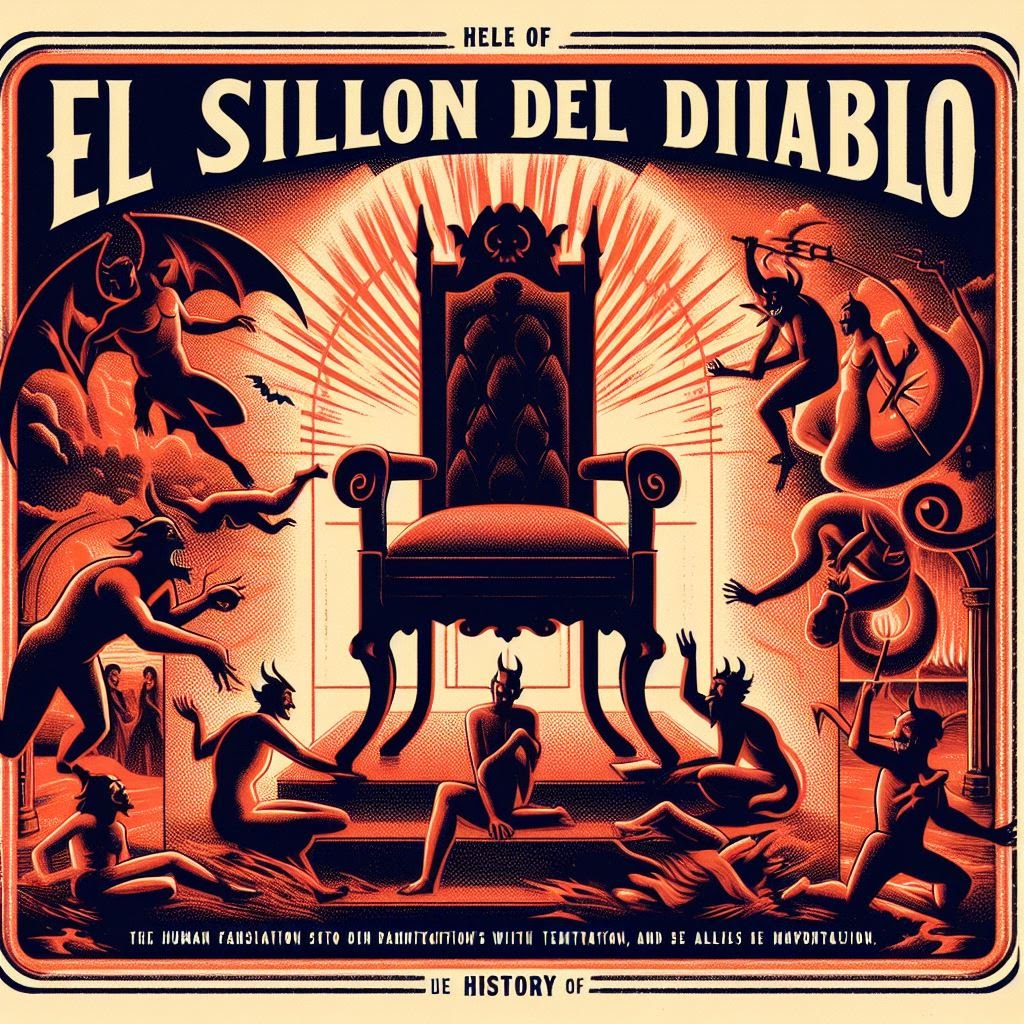
El sillón del Diablo

The History of El Sillón del Diablo

El Sillón del Diablo, or "The Devil's Armchair," is a phrase laden with intrigue and metaphorical weight. Its origins are elusive, yet its usage spans various cultures and contexts. 

To delve into the history of El Sillón del Diablo is to explore the human fascination with danger, temptation, and the allure of the unknown. 

From ancient folklore to modern-day cautionary tales, the concept of the devil's seat has woven itself into the fabric of our collective consciousness. 

In this exploration, we will trace the origins, evolution, and cultural significance of El Sillón del Diablo, shedding light on its diverse interpretations and enduring relevance.

Biblioteca de Castilla y León

Exploring the Riches of Biblioteca de Castilla y León: A Treasure Trove of Culture and Knowledge

Introduction to Biblioteca de Castilla y León

Nestled in the heart of Spain, Biblioteca de Castilla y León stands as a testament to the region's rich cultural heritage and intellectual legacy. 

Renowned as one of Spain's most prominent libraries, it serves as a beacon for scholars, researchers, and enthusiasts alike. In this exploration, we delve into Biblioteca de Castilla y León, uncovering its diverse resources and historical significance.

Hindi Teacher Job Search


Demand of Hindi teachers in Europe, USA and Global level. What to do to get a job of a hindi teacher?

The demand for Hindi teachers outside of India can vary depending on factors such as the local interest in Indian culture and language, the presence of Indian diaspora communities, and the increasing global connections with India in terms of trade, technology, and cultural exchange. 

While Hindi may not be as widely taught as some other languages like Spanish or Mandarin, there is still a demand for Hindi teachers in various parts of the world, particularly in regions with a significant Indian population or where Hindi is taught as part of academic or cultural programs.

Here are some steps you can take to increase your chances of securing a job as a Hindi teacher:

Get Qualified: Obtain the necessary qualifications to teach Hindi as a foreign language. 

This might include a bachelor's or master's degree in Hindi language and literature, education, linguistics, or a related field. 

Additionally, consider obtaining a teaching certificate or qualification specific to teaching Hindi as a second language.

Language Proficiency: Ensure you have a high level of proficiency in Hindi. 

This includes fluency in speaking, reading, and writing, as well as knowledge of Hindi grammar and vocabulary.

Cultural Understanding: Gain a deep understanding of Hindi-speaking cultures, including customs, traditions, and social norms. 

This will help you provide cultural context and insights to your students.

Teaching Experience: Gain teaching experience, either through formal teaching positions, tutoring, volunteer work, or teaching assistantships. 

Experience working with diverse student populations or teaching languages to non-native speakers is especially valuable.

Specialized Training: Consider taking courses or workshops specifically focused on teaching Hindi as a foreign language. 

These can provide valuable techniques, methodologies, and resources for effective language instruction.

Networking: Network within the Hindi language teaching community both locally and globally. 

Attend conferences, workshops, and events related to language teaching and Indian culture. 

Join professional organizations for language teachers and participate in online forums and discussion groups.

Develop Resources: Create or adapt teaching materials, lesson plans, and activities for teaching Hindi to non-native speakers. 

Develop multimedia resources such as videos, audio recordings, and online exercises to supplement your teaching.

Stay Updated: Stay informed about developments in Hindi language education, teaching methodologies, and resources. 

Continuously update your skills and knowledge to remain competitive in the job market.

Search for Opportunities: Look for job openings for Hindi teachers in international schools, language institutes, universities, community colleges, adult education centers, and online teaching platforms. 

Consider applying for teaching positions in regions with a demand for Hindi language instruction.

Be Flexible and Adaptable: Be open to different types of teaching opportunities and locations. 

Flexibility in terms of teaching formats (e.g., in-person, online, blended), student age groups, and geographic locations can increase your chances of finding a teaching position.

By following these steps and demonstrating your passion, expertise, and commitment to teaching Hindi, you can enhance your prospects of securing a job as a Hindi teacher in Europe, the USA, or on a global level.

Thorns of Reflection for Channeling Oscar Wilde's Legacy

Looking at the thorns reminded me of the story of Oscar Wilde. Thorns are meant to pierce, whether it's to cut through a dosa or to sift through matters of the heart.

In the literary landscape, Oscar Wilde stands as a towering figure, renowned for his wit, flamboyance, and tragic demise. 

His life, marked by brilliance and controversy, reflects the complexities of human nature and societal norms of his time.

Born in Dublin in 1854, Wilde exhibited intellectual prowess from a young age. 

His education at Trinity College, Dublin, and later at Oxford, where he excelled in classics, laid the foundation for his literary career. 

Wilde's sharp intellect and penchant for aestheticism propelled him into London's elite social circles, where he became known for his wit and flamboyant style.

Wilde's literary career flourished with the publication of his plays, essays, and novel. 

His wit and satire found expression in works like "The Importance of Being Earnest" and "The Picture of Dorian Gray," which challenged Victorian moral values and hypocrisy. 

However, his flamboyant lifestyle and openly homosexual relationships drew the ire of conservative society.

The turning point in Wilde's life came when his romantic involvement with Lord Alfred Douglas led to a highly publicized trial. 

Wilde was accused of "gross indecency" and subsequently convicted and sentenced to two years of hard labor. 

The trial marked the downfall of his career and reputation, leading to his exile in France upon his release from prison.

Despite his tragic end, Wilde's legacy endures through his works, which continue to captivate readers with their wit, humor, and social commentary. 

His exploration of human desires, societal norms, and the pursuit of beauty transcends time, resonating with audiences across generations.

As I gaze at the thorns, I am reminded not only of Wilde's literary brilliance but also of the complexities of human existence – the sharp edges that can both wound and inspire, much like the dual nature of Wilde's own life and work.

-------------------------------------------------

कांटों को देख आस्कर वाइल्ड की कहानी याद आ गयी। कांटे तो भेदने के लिए होते हैं चाहे वे डोसा खाना हो या ❤ छलनी करना हो।

------------------------------------------

🌟 Dive into the timeless brilliance of Oscar Wilde's legacy with our latest article, "Thorns of Reflection: Channeling Oscar Wilde's Legacy"!

Discover the captivating journey of Wilde's life and works, igniting your passion for literature and wit.

Ready to explore?

Unlock the magic of Wilde's novels

#OscarWilde #LiteraryGenius #TimelessClassics

Top Internet Search Topics

The most searchable topics on the internet can vary depending on current events, trends, and people's interests. 

However, here are some of the perennially popular and often-searched topics on the internet:

Entertainment and Pop Culture: This category includes celebrities, movies, TV shows, music, and video games. People often search for the latest news, reviews, and gossip.

News and Current Events: People frequently search for updates on world events, politics, sports, and local news. This category is highly dynamic.

Health and Wellness: Searches related to health, fitness, nutrition, and medical conditions are common. People often seek information on diet plans, exercise routines, and symptoms.

Technology: Tech enthusiasts search for information on the latest gadgets, software updates, programming languages, and troubleshooting tips.

Travel: Travelers search for destinations, travel tips, itineraries, and hotel and flight bookings.

Education: Students and lifelong learners search for educational resources, online courses, tutorials, and information on universities and colleges.

Finance: People search for financial news, investment advice, stock market updates, and personal finance tips.

Cooking and Recipes: Cooking enthusiasts often look for recipes, cooking techniques, and meal ideas.

DIY and Home Improvement: Homeowners search for DIY projects, home improvement tips, and renovation ideas.

Shopping: Online shoppers search for product reviews, price comparisons, and shopping deals.

Social Media: Social media users frequently search for friends and acquaintances, as well as trending topics and hashtags.

Sports: Sports fans look for scores, schedules, player statistics, and news related to their favorite teams and athletes.

Science and Technology: Enthusiasts search for information on space, climate change, scientific discoveries, and emerging technologies.

Relationships and Dating: People often seek advice on dating, relationships, and marriage.

Food and Nutrition: Searches for diet plans, nutritional information, and food-related content are common.

Travel: Travel enthusiasts search for information about destinations, flights, hotels, and travel tips.

Hobbies: Searches related to various hobbies like gardening, knitting, photography, and more are prevalent.

Books and Literature: Readers search for book recommendations, author information, and book reviews.

Parenting and Childcare: Parents seek advice on parenting, child development, and childcare.

Self-improvement: People search for ways to enhance their personal and professional lives, including topics like time management, productivity, and motivation.

The popularity of these topics can change over time due to current events and trends, so it's a good idea to use keyword research tools or trending topics on search engines to get the most up-to-date information on what people are searching for on the internet.

test

Book & Save: Tiqets Kiwi GetYourGuide Amazon
Advertisement
AI Advisor — Ask me anything
Stays active all session
Hi! Ask me about travel, immigration, Spain, India, or any topic on Latestfoto.com. I find posts, affiliate deals, and follow-up questions for you.
Best places in Spain? Cheap flights Madrid US immigration 2026 India travel guide Free tours Europe
✨ Free AI Skin Analysis! Try Now →

✈️ Flight Deals

Error fares & cheap flights — updated daily

Loading flight deals…

Flight

facebook

Featured Post

Blanquirroja - Restaurante y Bar Peruano en Valladolid


Last 30 days' visitors

AI Advisor
AI Advisor ❌

Look what is published:

Try Desktop
Purchase from

chat

Ask a Question

Enhance Your Success with Increased Visitor Engagement!
Ready to leave your mark? Partner with us and witness your business flourish!

7 Days-Popular Articles


How to Find Articles Relevant to Your Interest.

Top Internet Search Topics.

Join Our Writing Community!

🚀✍️ Embrace your passion for words and turn your free time into an exciting writing adventure & earning! Collaborate with us and elevate your writing game. 🌟

🚀✍️ Explore the world of guest writing and enjoy the added bonus of a backlink to your blog. Let's create captivating content together! 🌟

Scan QR code. Buy me a coffee.

Enjoying This Website?

Give Us Your Vote!

Follow Us on Facebook

Follow Us on Facebook

Follow Us Now!

Buy & Sell Your Video

Have an interesting video? Earn money by sharing it with us.

Learn a Language for Travel, PR, or Citizenship

Offer Your Own Language
-------------------------
See More. Do More. Share More.
Join Our Newsletter

Get exclusive discounts & travel tips straight to your inbox.

Please type this word to confirm you're human:

© Latestfoto.com — Questions. Curiosity. Discoveries.