Showing posts sorted by date for query South America. Sort by relevance Show all posts

Rooibos

Rooibos

The South African Herbal Tea Gaining Global Popularity

Rooibos is a naturally caffeine-free herbal tea that has gained international recognition for its smooth taste and potential health benefits. Originating from South Africa, rooibos has been consumed for centuries and is now enjoyed around the world as a healthy alternative to traditional tea and coffee. With its mild, slightly sweet flavor and rich antioxidant content, rooibos has become a popular beverage among people looking for natural and soothing drinks.

What Is Rooibos?

Rooibos, often called “red bush tea,” is made from the leaves of the Aspalathus linearis plant. This plant grows naturally in the mountainous regions of South Africa. The name “rooibos” comes from the Afrikaans language and means “red bush,” referring to the reddish color the leaves develop during processing.

Unlike black or green tea, rooibos is not derived from the Camellia sinensis plant. Instead, it belongs to a completely different botanical family. Because of this difference, rooibos contains no caffeine and very low levels of tannins, making it gentle on the stomach and suitable for people who want to avoid stimulants.

Historical Background

The indigenous Khoisan people of South Africa were among the first to harvest and use rooibos as a herbal drink. They collected the plant from wild areas, chopped the leaves, and allowed them to ferment in the sun before drying them. This traditional method produced the distinctive reddish color and rich flavor associated with rooibos tea.

Commercial cultivation of rooibos began in the early twentieth century when farmers started growing the plant more systematically. Since then, rooibos production has expanded significantly, and the beverage has become an important agricultural product in South Africa.

Types of Rooibos Tea

There are two main types of rooibos available in the market:

1. Traditional Red Rooibos

This is the most common form of rooibos tea. The leaves undergo an oxidation process that turns them reddish-brown and enhances the characteristic flavor. Red rooibos has a naturally sweet, earthy taste and a warm aroma.

2. Green Rooibos

Green rooibos is processed differently. The leaves are dried quickly after harvesting to prevent oxidation. As a result, green rooibos retains a lighter color and a more delicate, slightly grassy flavor. It also contains higher levels of certain antioxidants.

Nutritional and Health Benefits

Rooibos is valued not only for its taste but also for its nutritional properties. Although it is not a medicine, many people appreciate rooibos as part of a healthy lifestyle.

Rich in Antioxidants

Rooibos contains antioxidants such as flavonoids and polyphenols. These compounds help protect the body from oxidative stress caused by free radicals.

Caffeine-Free Beverage

One of the biggest advantages of rooibos is that it contains no caffeine. This makes it an excellent option for people who want to reduce caffeine intake, including those sensitive to stimulants.

Supports Relaxation

Because rooibos is naturally caffeine-free, it can be consumed in the evening without affecting sleep. Many people drink it as a relaxing nighttime beverage.

Low in Tannins

Compared with traditional tea, rooibos has very low tannin levels. Tannins sometimes interfere with the absorption of certain nutrients, so rooibos may be a gentler option for some individuals.

How Rooibos Is Produced

The production of rooibos involves several steps. After harvesting, the needle-like leaves are cut and bruised. They are then allowed to oxidize, which changes their color from green to reddish-brown. This oxidation process also develops the tea’s characteristic flavor.

After oxidation, the leaves are spread out under the sun to dry. Once dried, the rooibos is sorted, graded, and packaged for distribution. High-quality rooibos products are carefully processed to preserve flavor and aroma.

How to Prepare Rooibos Tea

Preparing rooibos tea is simple and similar to brewing other herbal teas. A typical preparation method includes the following steps:

  • Boil fresh water.
  • Add one teaspoon of rooibos tea leaves or a tea bag to a cup.
  • Pour hot water over the tea.
  • Allow it to steep for five to seven minutes.
  • Strain the tea or remove the tea bag before drinking.

Rooibos can be enjoyed plain or with milk, honey, lemon, or other natural flavorings. Some people also use it as a base for iced tea or herbal blends.

Culinary and Beverage Uses

In addition to traditional tea, rooibos is used in many culinary applications. Chefs and food enthusiasts incorporate rooibos into desserts, smoothies, and specialty drinks. Rooibos-infused syrups and sauces are sometimes used to add unique flavor to dishes.

The tea is also used in specialty beverages such as rooibos lattes, herbal iced teas, and wellness drinks. Its naturally sweet flavor makes it suitable for many creative recipes.

Global Popularity

Although rooibos originated in South Africa, it has become popular in many countries. Health-conscious consumers often choose rooibos because it is caffeine-free and naturally flavorful.

International demand for rooibos has grown steadily, particularly in Europe, North America, and parts of Asia. Specialty tea shops, supermarkets, and online retailers now offer a wide variety of rooibos products, including flavored blends and organic options.

Sustainability and Cultivation

Rooibos cultivation is closely linked to the unique ecosystem of the Western Cape region of South Africa. The plant grows best in sandy soils and a Mediterranean-type climate. Because of its limited natural growing area, rooibos production requires careful agricultural management.

Many producers emphasize sustainable farming practices to protect the environment and preserve the biodiversity of the region. Sustainable cultivation helps ensure that rooibos remains available for future generations.

Conclusion

Rooibos is more than just a herbal tea. It represents a unique cultural and agricultural tradition that originated in South Africa and gradually gained global recognition. Its naturally sweet flavor, caffeine-free nature, and antioxidant content make it an appealing beverage for many people around the world.

Whether enjoyed as a warm evening drink, an iced refreshment, or an ingredient in creative recipes, rooibos continues to attract new fans every year. As global interest in herbal and natural beverages grows, rooibos is likely to remain an important part of the international tea market.

50 Real Places Where You Can Get Free Beer

A List of 50 Real Places in the World Where You Can Get Free Beer 

Breweries, Festivals, Maps & Travel Tips

For many travelers, discovering local beer culture is one of the most enjoyable parts of visiting a new country. From historic European brewing traditions to modern craft beer scenes in North America and Asia, beer is deeply connected to local culture. But what if you could experience this culture and sometimes enjoy free beer at the same time?

Yes, it is possible. Around the world there are breweries, festivals, visitor centers, and promotional events where visitors can legally receive complimentary beer samples or tastings. While this usually means small tasting glasses rather than full pints, these experiences allow travelers to try different beers without paying for every drink.

This comprehensive guide explains how travelers can find free beer around the world. It includes real cities, breweries, beer festivals, and practical travel strategies. Whether you are planning a beer-focused trip or simply curious about local drinks during your travels, this guide will help you discover where free beer opportunities exist.

What “Free Beer” Really Means

Before exploring the list of locations, it is important to understand what “free beer” typically means in travel and tourism. In most countries, breweries cannot simply give unlimited beer away. However, they often offer free samples for promotional or educational purposes.

Here are the most common situations where visitors receive free beer:

  • Brewery tours: Many brewery tours end with a complimentary tasting.
  • Beer festivals: Some festivals provide promotional samples from breweries.
  • Grand openings: New breweries sometimes offer free tastings.
  • Brand marketing events: Beer companies introduce new products with free samples.
  • Cultural festivals: Local celebrations may include brewery promotions.

In most cases the free beer is a small tasting glass, designed to allow visitors to explore new flavors while learning about brewing traditions.

50 Places With Free Beer Opportunities Around the World

The following cities and breweries are known for offering complimentary beer tastings during tours, promotions, or events.

Europe

  • 1. Dublin, Ireland – Guinness Storehouse tasting experience
  • 2. Amsterdam, Netherlands – Heineken Experience brewery tour
  • 3. Plzeň, Czech Republic – Pilsner Urquell Brewery tour
  • 4. Munich, Germany – Oktoberfest promotional brewery stands
  • 5. Bamberg, Germany – Schlenkerla Brewery visitor tastings
  • 6. Brussels, Belgium – Belgian Beer Weekend at Grand Place
  • 7. Bruges, Belgium – De Halve Maan Brewery tour tasting
  • 8. Prague, Czech Republic – Czech Beer Festival promotions
  • 9. Vienna, Austria – Vienna Craft Beer Festival
  • 10. Barcelona, Spain – Barcelona Beer Festival
  • 11. Madrid, Spain – Madrid Beer Week events
  • 12. Lisbon, Portugal – Lisbon Beer Week promotions
  • 13. Paris, France – Paris Beer Festival
  • 14. Copenhagen, Denmark – Copenhagen Beer Celebration
  • 15. Stockholm, Sweden – Stockholm Beer Festival
  • 16. Helsinki, Finland – Helsinki Beer Festival
  • 17. Tallinn, Estonia – Tallinn Craft Beer Weekend
  • 18. Riga, Latvia – Riga Beer Festival
  • 19. Vilnius, Lithuania – Vilnius Beer Festival
  • 20. Wrocław, Poland – Festival of Good Beer

North America

  • 21. Portland, Oregon, USA – craft brewery tasting events
  • 22. Denver, Colorado, USA – Great American Beer Festival week
  • 23. San Diego, California, USA – San Diego Beer Week
  • 24. Austin, Texas, USA – Texas Craft Brewers Festival
  • 25. Chicago, Illinois, USA – Chicago Beer Festival
  • 26. St. Louis, Missouri, USA – Budweiser Brewery Experience
  • 27. Asheville, North Carolina, USA – brewery tasting tours
  • 28. Boulder, Colorado, USA – craft brewery open houses
  • 29. Vancouver, Canada – Vancouver Craft Beer Week
  • 30. Toronto, Canada – Toronto Festival of Beer promotions

Asia & Oceania

  • 31. Tokyo, Japan – Tokyo Craft Beer Festival
  • 32. Osaka, Japan – Asahi Brewery Tour
  • 33. Bangkok, Thailand – craft brewery tasting events
  • 34. Singapore – craft beer week promotions
  • 35. Seoul, South Korea – Seoul Beer Week
  • 36. Melbourne, Australia – Good Beer Week
  • 37. Sydney, Australia – Sydney Craft Beer Week
  • 38. Auckland, New Zealand – Auckland Beer Festival

Latin America

  • 39. Mexico City, Mexico – Cerveza México Festival
  • 40. Guadalajara, Mexico – craft brewery tastings
  • 41. São Paulo, Brazil – São Paulo Beer Week
  • 42. Rio de Janeiro, Brazil – Mondial de la Bière
  • 43. Buenos Aires, Argentina – Buenos Aires Beer Festival

Africa

  • 44. Cape Town, South Africa – Cape Town Festival of Beer
  • 45. Johannesburg, South Africa – Jozi Craft Beer Fest
  • 46. Nairobi, Kenya – Nairobi Beer Festival
  • 47. Casablanca, Morocco – craft beer promotional events

Middle East

  • 48. Dubai, UAE – international beer events at hotels
  • 49. Tel Aviv, Israel – Tel Aviv Beer Festival
  • 50. Beirut, Lebanon – Beirut Beer Festival

Top Breweries That Give Free Tastings

Many large breweries operate visitor centers where tourists can learn about beer production and receive complimentary tastings.

  • Guinness Storehouse – Dublin, Ireland
  • Pilsner Urquell Brewery – Plzeň, Czech Republic
  • Budweiser Brewery Experience – St. Louis, USA
  • Asahi Brewery Tour – Osaka, Japan
  • Heineken Experience – Amsterdam, Netherlands
  • Carlsberg Brewery Visitor Centre – Copenhagen, Denmark
  • Samuel Adams Brewery – Boston, USA
  • Stone Brewing – San Diego, USA
  • Lagunitas Brewing Company – California, USA
  • Full Sail Brewing – Oregon, USA

These breweries are among the most popular tourist attractions for beer enthusiasts.

Free Beer Festivals Around the World

Beer festivals are one of the easiest ways for travelers to discover free beer samples. During these events breweries promote their products and often provide tasting opportunities.

  • Great American Beer Festival – Denver
  • Belgian Beer Weekend – Brussels
  • Copenhagen Beer Celebration – Copenhagen
  • Festival of Good Beer – Wrocław
  • Good Beer Week – Melbourne
  • Barcelona Beer Festival – Barcelona
  • Vancouver Craft Beer Week – Vancouver
  • Cape Town Festival of Beer – Cape Town

Countries Where Beer Is Extremely Cheap

Even if free beer is not available, some countries offer extremely affordable beer prices.

  • Czech Republic
  • Germany
  • Poland
  • Vietnam
  • Thailand
  • Mexico
  • Argentina

In many of these destinations, a local beer can cost less than a bottle of water.

How Travelers Find Free Beer

Experienced travelers often use several strategies to discover free beer opportunities.

  • Follow breweries on social media
  • Attend brewery opening events
  • Join brewery tours
  • Visit beer festivals
  • Check local tourism websites
  • Ask bartenders about tasting events

These strategies significantly increase the chances of discovering complimentary beer tastings while traveling.

Travel Story

Finding Free Beer Across Europe

Imagine traveling across Europe exploring historic beer cities. In Prague you visit a brewery museum and receive a tasting of traditional Czech lager. A few days later in Brussels you attend the Belgian Beer Weekend where dozens of breweries present their beers. In Munich you encounter Oktoberfest promotions where breweries celebrate centuries-old brewing traditions.

Each city offers a different experience, but the common theme is discovering beer culture while meeting other travelers and locals.

Map of Free Beer Locations

These locations span every continent. If you map the cities listed above, you will find clusters of beer destinations in:

  • Central Europe (Germany, Czech Republic, Belgium)
  • North America (USA and Canada)
  • Australia and New Zealand
  • Major Asian cities with craft beer culture

Planning a travel route through these destinations can create an unforgettable beer-focused trip.

FAQ About Free Beer

Is free beer legal?

Yes. Breweries can legally offer small tasting samples as part of tours, promotions, or festivals.

Which country has the most brewery tours?

Germany, Belgium, the United States, and the Czech Republic have the largest number of brewery tours.

Can tourists get free beer at festivals?

Some festivals include promotional tasting sessions where breweries provide small samples.

Do you need to be over 18?

Yes. Visitors must follow the legal drinking age of the country they are visiting.

Responsible Drinking

Beer culture is meant to be enjoyed responsibly. Travelers should always follow local alcohol laws, respect drinking age restrictions, and avoid excessive consumption.

Never drink and drive, and remember that tasting samples are meant for exploration rather than heavy drinking.

Conclusion

Free beer may sound too good to be true, but around the world there are many legitimate opportunities to enjoy complimentary tastings. Breweries, beer festivals, promotional events, and tourism experiences regularly introduce visitors to new beers through small free samples.

From Dublin and Amsterdam to Denver and Melbourne, beer lovers can explore dozens of destinations where brewing traditions are celebrated and shared with travelers. With the right planning and curiosity, discovering free beer can become an enjoyable part of your travel adventures.

Charlottetown

Charlottetown

A Charming Coastal City with Deep Canadian Roots

Charlottetown, the capital city of Prince Edward Island, is one of Canada’s most charming and historically significant destinations. Known as the “Birthplace of Confederation”, this small coastal city combines rich history, scenic waterfront views, friendly locals, and a relaxed pace of life that instantly makes visitors feel at home.

Where Is Charlottetown Located?

Charlottetown is located on the south shore of Prince Edward Island (PEI), Canada’s smallest province. Overlooking the Charlottetown Harbour, the city serves as the political, cultural, and economic center of the island, while still retaining a small-town atmosphere.

Why Charlottetown Is Historically Important

Charlottetown holds a special place in Canadian history. In 1864, the Charlottetown Conference took place here, bringing together leaders from British North America to discuss the formation of Canada. Today, this legacy is preserved at Province House National Historic Site, one of the city’s most visited landmarks.

Province House

Province House is where the foundations of modern Canada were laid. Visitors can explore exhibits, guided tours, and learn how this modest building shaped an entire nation.

Top Things to Do in Charlottetown

1. Stroll Along the Charlottetown Waterfront

The waterfront is the heart of the city. A walk along the boardwalk offers beautiful views of the harbor, historic ships, public art, and access to shops, cafes, and restaurants.

2. Explore Victoria Row

Victoria Row is a pedestrian-friendly street lined with colorful heritage buildings. It’s the perfect place to enjoy local dining, live music, street performances, and boutique shopping.

3. Visit Confederation Centre of the Arts

This cultural hub hosts galleries, concerts, and theater performances. It is especially famous for the long-running musical “Anne of Green Gables”, inspired by PEI’s most beloved literary character.

4. Discover Local Museums

Charlottetown is home to several small but engaging museums that cover topics such as island history, maritime life, and local art.

Food and Culinary Experiences

Charlottetown is a paradise for seafood lovers. Thanks to its coastal location, the city offers some of the freshest seafood in Canada.

  • Fresh lobster and mussels
  • Oysters from PEI waters
  • Locally grown potatoes
  • Craft beer and cider from island producers

From fine dining to casual waterfront eateries, Charlottetown’s food scene focuses on fresh, local ingredients.

Best Time to Visit Charlottetown

The best time to visit Charlottetown is from June to September. Summers are mild and pleasant, perfect for outdoor activities, festivals, and exploring the island. July and August are peak tourist months, while June and September offer fewer crowds and comfortable weather.

Day Trips from Charlottetown

Charlottetown is an excellent base for exploring Prince Edward Island:

  • Cavendish – Home of Anne of Green Gables
  • Brackley Beach – Stunning red-sand beaches
  • Green Gables Heritage Place
  • PEI National Park

Why Charlottetown Is Worth Visiting

Charlottetown offers a unique mix of history, culture, nature, and hospitality. Its walkable streets, scenic harbor, rich heritage, and relaxed lifestyle make it ideal for travelers who want an authentic Canadian experience without the rush of larger cities.

Whether you’re interested in history, coastal scenery, food, or simply slowing down and enjoying island life, Charlottetown is a destination that quietly leaves a lasting impression.

Why Countries Still Trade With the USA And Why It's Not Easy to Stop

Even as global politics shift and leaders like Donald Trump threaten tariffs or sanctions, most countries continue to trade heavily with the United States. Why? The answer lies in economic power, dollar dominance, and global influence. Let’s explore why the USA remains a top trade partner—and why it's hard for countries to walk away.

🌍 Why Countries Keep Trading With the USA

1. One of the World’s Largest Consumer Markets

The USA has around 330 million people, but more importantly, it is home to a high-spending population. American consumers and businesses buy everything from cars and electronics to medicines and software. That makes the U.S. a top export destination for countries like India, China, and Mexico.

2. The Power of the U.S. Dollar in Global Trade

Over 80% of international trade is invoiced and settled in U.S. dollars. Even when countries are not trading directly with America, they still use the dollar to trade with each other. This gives the U.S. central control over global finance, currency reserves, and cross-border payments.

3. Access to Advanced Technology and Investments

From aerospace and artificial intelligence to biotechnology and defense, the USA leads in innovation. Many countries depend on U.S. companies for investment, supply chains, and high-tech components. That dependency drives continued trade ties, regardless of political differences.

4. Global Influence and Strategic Power

The USA has military bases worldwide and major influence in international bodies like the World Bank, IMF, and WTO. This enables it to shape global trade rules and pressure allies to follow its lead, making it difficult for countries to fully disconnect.

🧨 Why Countries Can’t Just Say “No” to U.S. Trade

  • Economic Loss: Quitting U.S. trade could mean billions in lost revenue.
  • Sanctions Risk: Countries could be cut off from financial systems like SWIFT.
  • Replacement Is Difficult: Finding new buyers and suppliers takes years.
  • Fear of Isolation: U.S. allies may also reduce cooperation under pressure.

🌐 The World Is Changing – Slowly

Still, major economies are trying to reduce reliance on the U.S. dollar and market. BRICS countries—Brazil, Russia, India, China, and South Africa—are trading more in local currencies and exploring a common payment system. China is investing in global infrastructure, and India is signing regional trade agreements.

This shift toward a multipolar world economy may eventually balance the global trade order. But for now, the U.S. remains too economically and financially dominant to ignore.

🧾 Quick Summary

Why Countries Trade With the U.S. Why They Can’t Easily Stop
Huge market with high purchasing power Loss of major export revenue
U.S. dollar dominates global trade Most global trade is still dollar-based
Advanced tech and global investment Few alternatives for high-tech goods
Global influence through sanctions and policy Fear of diplomatic and financial isolation

🔎 Related Keywords

de-dollarization, BRICS currency, U.S. dollar dominance, global trade strategy, China trade, India exports, multipolar economy, international sanctions, Trump trade policy, BRICS vs USA

Strait of Hormuz

Why the Strait of Hormuz Is Always Important  

Why the World Is Watching Now

The Strait of Hormuz has been one of the most strategic maritime chokepoints in the world for decades. But in 2025, its relevance has taken on renewed urgency, raising global concerns. If you’ve ever wondered why the Strait of Hormuz matters so much to the world economy, oil prices, and international politics, you're not alone. This article presents detailed its historic and modern-day importance, current tensions, and what alternatives exist for global trade routes.

Map of the Strait of Hormuz showing oil transit routes

What Is the Strait of Hormuz?

The Strait of Hormuz is a narrow waterway, just 21 miles wide at its narrowest point, located between the Persian Gulf and the Gulf of Oman. It separates Iran to the north from the United Arab Emirates and Oman to the south. Despite its small width, it plays an outsized role in international maritime logistics.

This narrow passage connects the massive oil fields of the Middle East to the rest of the world, making it a vital artery in the global energy system. It is often described as the "jugular vein of the global oil supply."

Why Is the Strait of Hormuz So Important?

  • Energy Transit Hub: Around 20% of the world’s oil passes through the Strait of Hormuz—more than 18 million barrels per day.
  • Global Shipping Route: It is one of the busiest shipping lanes in the world for oil, natural gas, and petroleum-based products.
  • Geopolitical Flashpoint: The Strait lies at the center of one of the most volatile regions on Earth, the Middle East.
  • Limited Alternatives: Few viable options exist for rerouting such a vast volume of oil if the Strait were blocked or attacked.

Due to these factors, the Strait of Hormuz has been a strategic chessboard for superpowers and regional players alike.

Strait of Hormuz in 2025

Why It’s Back in Global Headlines

Recently, the Strait of Hormuz has returned to the global spotlight. A combination of geopolitical instability, military posturing, and increased naval activity has escalated tensions. Here's why:

1. Rising Tensions Between Iran and Western Powers

Iran has historically threatened to block the Strait in response to Western sanctions. In 2025, ongoing disputes over nuclear policy and oil export controls have once again ignited fears of closure.

2. Attacks on Commercial Tankers

Several recent attacks on oil tankers passing through the Strait have sparked global alarm. Though responsibility has not been definitively proven, fingers have pointed toward Iranian-backed groups, adding further pressure to an already strained environment.

3. Increased Military Presence

Naval deployments from the United States, the UK, and regional Gulf states have turned the Strait into a heavily militarized zone. Military exercises, drone surveillance, and warship traffic have all increased.

4. Oil Price Volatility

Whenever the Strait is threatened, oil prices spike. This is because any disruption in this key route can impact global supply chains, from Asia to Europe to North America.


Economic and Energy Impact

Why the World Should Care

The global economy is still significantly reliant on fossil fuels. Countries like China, India, Japan, and even the European Union import large quantities of oil that pass through the Strait of Hormuz.

If this route were to be blocked or compromised for even a few days, the resulting shockwaves would be felt in:

  • Fuel Prices: Gasoline and diesel prices would surge worldwide.
  • Inflation: Rising energy costs would trigger inflationary pressures across economies.
  • Supply Chains: Delays in oil and gas shipments would disrupt manufacturing and transportation globally.

This is why insurance premiums for tankers operating in the region have also increased dramatically.

Are There Alternatives to the Strait of Hormuz?

Given the Strait’s critical nature, multiple nations and companies have looked for alternative routes to reduce dependency. Let’s look at the most feasible options:

1. The East-West Pipeline (Saudi Arabia)

Saudi Arabia built the East-West Pipeline (Petroline) to bypass the Strait entirely. It allows oil to be transported from the Eastern Province to the Red Sea port of Yanbu. However, its capacity is limited—roughly 5 million barrels per day, a fraction of what the Strait handles.

2. UAE's Fujairah Port

The United Arab Emirates developed a pipeline from Abu Dhabi to the port of Fujairah, located outside the Strait. It helps export oil without transiting the chokepoint but still doesn’t come close to replacing Hormuz in volume.

3. Potential Overland Routes Through Iraq or Turkey

Though theoretically viable, these alternatives are fraught with their own geopolitical risks and logistical challenges. Turmoil in Iraq and strained relations between Turkey and other nations make this a complicated option.

In short, there is no full substitute for the Strait of Hormuz, making it a constant point of strategic interest.

The Role of Technology and Diplomacy

Satellite monitoring, maritime drones, and real-time shipping data are now used to track tanker movements and potential threats in the Strait. Meanwhile, diplomatic efforts continue to stabilize the region. The United Nations, EU, and regional coalitions are all working behind the scenes to keep the Strait open and secure.

Environmental Risks

In the event of a naval confrontation or tanker destruction, the environmental consequences could be devastating. Oil spills in such a confined marine area would impact marine biodiversity, local fisheries, and even the Gulf's tourism industries.

Why It Matters to the Average Person

You might not live near the Middle East, but if you drive a car, use plastics, or rely on global supply chains, the Strait of Hormuz matters to you. Any disruption could mean higher gas prices, more expensive flights, or increased costs for everyday goods. In a globally connected world, a small waterway 3,000 miles away affects your local economy directly.

Conclusion

Strait of Hormuz Is Small But Mighty

As we move through 2025 and beyond, the Strait of Hormuz remains a critical geopolitical pressure point. Its control, safety, and stability are essential for global energy security and economic well-being. Despite efforts to create alternatives, no other route currently matches its scale and strategic placement.

Governments, corporations, and citizens alike should stay informed about what happens in this tiny waterway. Because, as history has shown us time and again, the Strait of Hormuz is where small moves make global waves.

Search:

  • Strait of Hormuz importance
  • global oil supply routes
  • Middle East shipping lane
  • Iran Strait threat
  • alternatives to Strait of Hormuz
  • energy chokepoints 2025
  • why Strait of Hormuz matters
  • Gulf tensions oil
  • oil prices Middle East
  • maritime trade security

If you're interested in tracking updates about this topic, consider bookmarking our website or following our latest geopolitical analysis at Latestfoto.com.

📌 Call to Action: Want to advertise your global policy, oil & gas, or defense-related brand? Click here to place your ad in this article or reach out for sponsored content opportunities.

Bohemian City

A vibrant impressionistic painting of a Bohemian city street with colorful buildings, a café labeled "BOHEMIAN," a yoga studio, outdoor seating, potted plants, and a lively, artistic atmosphere under a bright blue sky.
Exploring the Spirit of Artistic Freedom and Unconventional Life of Bohemian City

Bohemian cities are more than just places—they are living, breathing cultural phenomena where creativity, individuality, and nonconformity thrive. But what exactly makes a city "Bohemian"? Where did this term come from? And which cities around the world truly embody the Bohemian lifestyle?

What Does "Bohemian" Mean? 

The Origin of the Word

The word "Bohemian" originally referred to the region of Bohemia in the modern-day Czech Republic. In 19th-century France, the term was adopted to describe artists, writers, musicians, and other creatives who lived outside the boundaries of conventional society. These individuals were seen as wandering souls, much like the Romani people who were mistakenly believed to have come from Bohemia.

Over time, “Bohemian” became synonymous with a free-spirited, artistic lifestyle. It is now used to describe a culture and aesthetic that values creativity over conformity, experience over materialism, and individuality over structure. Bohemian cities are therefore urban spaces where this ethos is not just accepted—it is celebrated.

What Defines a Bohemian City?

A Bohemian city is typically a melting pot of cultures, art forms, and alternative lifestyles. Here are the common traits:

  • Rich artistic scene: Galleries, street art, music venues, and independent theaters flourish.
  • Affordability and inclusiveness: Historically, Bohemian neighborhoods were cheaper, attracting artists and students.
  • Alternative culture: Vegan cafes, second-hand bookstores, vinyl shops, poetry readings, and yoga studios are the norm.
  • Community-driven: Local markets, co-working spaces, and grassroots activism are key elements.
  • Architecture with soul: Expect cobblestone streets, vintage buildings, murals, and colorful facades.

Search for: what is a Bohemian city, Bohemian lifestyle meaning, artistic neighborhoods, Bohemian travel guide, creative cities to visit, alternative city destinations

Top Bohemian Cities Around the World

1. Paris, France – The Original Bohemian Capital

Montmartre in Paris is the birthplace of the modern Bohemian movement. Home to icons like Picasso and Toulouse-Lautrec, the area remains a hub for artists, musicians, and dreamers. Cafés and cabarets like Moulin Rouge still breathe the spirit of old-world artistry.

2. Berlin, Germany – Post-Punk Creativity and Urban Grit

After the fall of the Berlin Wall, abandoned buildings became studios and underground clubs. Berlin's Kreuzberg and Neukölln neighborhoods are synonymous with raw creativity and affordable living—a paradise for digital nomads and artists alike.

3. Prague, Czech Republic – The Spiritual Home

Given the origin of the term, it’s no surprise Prague is often labeled a Bohemian city. Its fairy-tale charm, poetic history, and vibrant art scene make it a magnet for creatives. The Žižkov district epitomizes Bohemian life with its anarchist bars and cultural centers.

4. Buenos Aires, Argentina – Tango, Poetry, and Passion

San Telmo and Palermo neighborhoods offer a fusion of old-world elegance and counterculture. Buenos Aires is deeply literary, musical, and expressive, attracting those who live and breathe art. It's a top Bohemian city in South America.

5. Portland, Oregon, USA – Keep It Weird

With a motto like “Keep Portland Weird,” it’s no wonder this city is considered Bohemian. Microbreweries, open mics, artisan markets, and DIY culture flourish here. The Alberta Arts District is especially famous for street murals and experimental spaces.

6. Goa, India – A Tropical Boho Paradise

Goa is India’s alternative haven. A mix of beaches, yoga retreats, music festivals, and spiritual seekers gives Goa its laid-back Bohemian vibe. It draws creatives from around the world looking for inspiration and freedom.

7. Tulum, Mexico – Boho-Luxury in the Jungle

Once a backpacker secret, Tulum is now known for eco-chic living. Think yoga by the beach, vegan tacos, and artisan shops. It's a modern Bohemian city with a mix of luxury and minimalism rooted in nature.

Why Bohemian Cities Are Different

Bohemian cities stand apart from other urban centers because of their focus on the intangible: expression, freedom, community, and meaning. While mainstream cities might prioritize economic growth and structured tourism, Bohemian cities grow organically, often led by the people who choose to live there—not corporations or governments.

These cities attract travelers looking for authenticity. You won’t find chain stores dominating the streets. Instead, you’ll discover mural-covered walls, local bands playing in basements, and festivals that blur the line between spectator and participant.

Investigate: why visit Bohemian cities, Bohemian vs traditional cities, where to experience Bohemian culture, best cities for creatives and artists, affordable artistic travel destinations

Bohemian Travel Tips: How to Experience a City Like a Local Artist

  • Stay in local guesthouses or artist-run hostels rather than hotels.
  • Join workshops in painting, photography, or cooking.
  • Visit open mic nights and underground art shows for raw, local talent.
  • Support small businesses and street vendors.
  • Engage with locals—Bohemian communities are known for openness and conversation.

Modern Bohemian Lifestyle 

Beyond the City Walls

The Bohemian mindset isn’t confined to physical places. It’s a lifestyle and worldview that can exist anywhere creativity is allowed to flourish. In today’s digital age, many Bohemians are digital nomads, choosing to live and work in creative cities that resonate with their values.

Remote work, van life, and sustainable travel are often part of the modern Boho experience. Whether you’re in a studio in Brooklyn or a beach hut in Bali, what matters is living with intention, expression, and freedom.

Final Thoughts

Is a Bohemian City Your Next Destination?

If you crave more than sightseeing—if you want to feel inspired, make connections, and maybe even create something—then a Bohemian city might be your perfect destination. From Paris to Portland, Prague to Tulum, these cities offer not just a place to visit, but a way to live.

Whether you’re planning a short artistic retreat or a long-term relocation, discovering Bohemian cities can transform your worldview. They're more than tourist spots—they're cultural experiences that invite you to be part of something bigger, freer, and more beautiful.

Why does the West always speak on behalf of the world?

Why the West Still Speaks for the World, Even When the World Disagrees

“The World condemns...” You hear this phrase often. But who exactly is "The World"? And why does it usually mean just a handful of countries in the West?

From wars to economic sanctions, from human rights to climate change—Western governments frequently speak as if they represent the whole planet. The truth? Many countries in the Global South and East don’t agree with these positions—and are never consulted. So why does this keep happening?

1. Historical Power Structures

Colonial Legacy

Western countries, especially in Europe and North America, held global power for centuries through colonization, military victories, and economic dominance. This history created a deeply embedded mindset—often unconscious—that the West is the world’s natural leader. Even after colonies gained independence, former colonial powers continued to act as guardians of international norms.

Post-WWII Institutions

After World War II, Western countries shaped global systems in their own image. Institutions like the United Nations (UN), International Monetary Fund (IMF), World Bank, and NATO were formed under heavy Western influence. Though labeled “global,” these institutions often reflect Western priorities and values—especially regarding democracy, free markets, and liberal governance.

2. Control of Global Media and Narrative

The world’s dominant media agencies—BBC, CNN, Reuters, AP—are all Western. This means the news most people consume is filtered through a Western lens. Conflicts, protests, and crises are often framed from the perspective of Washington, London, or Brussels, not Jakarta, Nairobi, or Buenos Aires.

It’s not just news. Western dominance in Hollywood, academia, and think tanks also shapes the global narrative. What’s considered a “human rights violation,” a “terrorist threat,” or a “legitimate government” is often defined by Western discourse—and then accepted globally as objective truth.

3. Economic and Military Influence

Power speaks loudest in global politics. The U.S. and EU have enormous economic power and some of the world’s most advanced militaries. This allows them to impose sanctions, fund wars, or influence trade deals—often presenting their own interests as universal moral imperatives.

Take the example of economic sanctions: Western countries can block entire nations from accessing the global financial system. These moves are described as protecting democracy or human rights—but they often come at the cost of civilian suffering, especially in the Global South.

4. The “Civilizing” or Moral Superiority Complex

There’s a persistent belief among some Western leaders that their role is to “lead the free world” or act as moral guardians. They speak of promoting democracy, defending human rights, and maintaining the “rules-based international order.”

But this narrative falls apart when examined closely. From the Iraq War to supporting authoritarian allies, from arms sales to mass surveillance, Western countries frequently violate the very principles they claim to defend. This double standard isn’t lost on the rest of the world.

5. Exclusion of Alternative Voices

Perhaps the most damaging part of Western dominance is the exclusion of non-Western voices. Countries in Africa, Latin America, Asia, and even Eastern Europe are often dismissed as marginal players—even when they represent the majority of the global population.

On issues like Palestine, the Ukraine war, or climate justice, many nations have different perspectives—but those are frequently ignored or simplified. When Western media says “the world condemns,” what it usually means is “the West condemns.”

So Why Does the West Still Speak for the World?

Because power equals platform. Media, institutions, money, and military strength all contribute to the illusion that the West represents everyone.

But this is changing.

The rise of countries like India, China, Brazil, Indonesia, South Africa and others is beginning to challenge the Western monopoly on global narratives. Platforms like BRICS and South-South cooperation are growing. More nations are asserting their own policies, alliances, and values—and refusing to accept Western definitions of democracy or progress.

Still, until the global balance of power shifts more equally—until media is more decentralized and international institutions are reformed—the West will continue to act as if it speaks for the world.

Conclusion

It's Time to Let the World Speak

True global dialogue can’t happen if only a few voices dominate the conversation. Respecting the Global South perspective means accepting different histories, priorities, and paths. It means moving from a world where the West dictates to one where everyone negotiates.

The world doesn’t need a single spokesperson. It needs a roundtable.


Tags: why west speaks for world, colonial legacy and global power, global south voice, decolonize world politics, western media control, international inequality, IMF and world bank criticism, multipolar global order, western hypocrisy in global affairs, global narrative shift

Beetroot (La Remolacha)

Beetroot, commonly known as La Remolacha in Spanish, is a root vegetable scientifically classified as Beta vulgaris. 

It is highly valued for its nutritional benefits, culinary versatility, and potential medicinal properties.

Appearance and Types

Beetroots are typically deep red or purple in color, although some varieties come in golden yellow, white, or striped patterns. 

The most common type is the deep red globe-shaped beetroot. 

The plant consists of two edible parts: the bulbous root and leafy green tops.

Nutritional Profile

Beetroot is rich in essential nutrients and low in calories, making it a healthy addition to any diet.

Vitamins: A good source of vitamin C, folate (vitamin B9), and small amounts of vitamin A and K.

Minerals: Contains iron, magnesium, potassium, phosphorus, and manganese.

Dietary Fiber: Aids digestion and supports gut health.

Phytonutrients: High in betalains, pigments that have powerful antioxidant and anti-inflammatory properties.

Nitrates: Known for improving blood flow and cardiovascular health.

Health Benefits

Heart Health: The dietary nitrates in beets help lower blood pressure, improve circulation, and reduce the risk of cardiovascular diseases.

Brain Function: Improved blood flow from nitrates can enhance cognitive function and reduce the risk of age-related brain disorders.

Athletic Performance: Beets are popular among athletes as they boost endurance and stamina by improving oxygen use.

Detoxification: Betalains support liver detoxification processes.

Diabetes Management: Beetroot’s natural sugars release slowly into the bloodstream, and its antioxidants help combat oxidative stress, which is beneficial for diabetics.

Culinary Uses

Beetroot is a versatile ingredient that can be consumed raw, cooked, juiced, or pickled. 

Popular preparations include:

Salads: Grated raw beetroot adds color and sweetness.

Soups: Borscht, a beet-based soup, is a staple in Eastern European cuisine.

Smoothies and Juices: Blended with other fruits and vegetables for a nutritious drink.

Roasted or Boiled: As a side dish or main ingredient in dishes like beet risotto.

Pickled Beets: Preserved in vinegar for a tangy snack.

Desserts: Beetroot can be used in baking to add moisture and natural sweetness to cakes and brownies.

Storage

Beetroots can be stored in a cool, dry place for several weeks. 

To extend their shelf life, remove the leafy tops and store them separately in the refrigerator, as the greens wilt quickly but can also be eaten.

Fun Facts

The red pigment in beets, called betanin, can temporarily color urine and stool, a harmless condition known as beeturia.

Ancient Romans believed beetroot had aphrodisiac properties.

Beetroot was used as a natural dye in the past, thanks to its vibrant red pigment.

Beetroot is a nutritious and flavorful vegetable that deserves a spot in any healthy diet!

Beetroot: Cultivation and Commercial Use

Geographical Distribution

Native Region: Beetroot originates from the Mediterranean region, where it was first cultivated for its leaves.

Global Cultivation: Today, it is grown worldwide, with major producers being the United States, Russia, France, Germany, Italy, the United Kingdom, and India.

Continents: It is cultivated across Europe, Asia, North and South America, Africa, and Oceania.

Climate Requirements

Climate Type: Beetroot thrives in temperate climates and can tolerate a wide range of conditions, including semi-arid and subtropical climates.

Temperature Range: It grows best in temperatures between 10°C to 25°C (50°F to 77°F). 

Higher temperatures can reduce quality and flavor, while frost can damage the crop.

Rainfall: Requires moderate rainfall (around 500–700 mm/year). 

In areas with insufficient rainfall, irrigation is necessary.

Growing Period and Soil

Growing Period

Cooler Climates: Beetroot is typically a spring or fall crop.

Warmer Climates: It can be grown year-round if irrigation is available.

The crop is ready for harvest within 50–90 days after planting, depending on the variety.

Soil Type: Prefers well-drained, loose, sandy loam or loamy soil with a pH of 6.0–7.5. 

It is sensitive to acidic or saline soils.

Cost of Cultivation

Initial Investment: The cost varies based on the region and scale of cultivation. 

Expenses include seeds, fertilizers, irrigation, labor, and land preparation.

Small-Scale Farming: Typically costs $300–$500 per acre.

Large-Scale Farming: Costs can range between $1,000–$2,000 per acre for mechanized farming.

Yield: On average, farmers can harvest 20–25 tons per hectare under good conditions.

Benefits of Cultivating Beetroot

Economic Benefits: High demand in local and international markets for fresh beets, processed products (juice, powders), and seeds.

Short Growing Period: Provides quick returns compared to other crops.

Low Maintenance: Minimal pest and disease issues compared to other vegetables.

Versatility: Both the root and greens are marketable, increasing profitability.

Health and Nutritional Value: High demand due to its status as a "superfood" with rich nutritional content.

Commercial Uses

Fresh Market Produce: Sold in local markets or exported.

Processed Foods: Used to make beetroot juice, powder, canned beets, pickles, and snacks.

Health Supplements: Beet powder and extracts are used in dietary supplements.

Natural Food Coloring: Betanin, the pigment in beetroot, is used as a natural red dye in food and beverages.

Animal Feed: Leftover greens and by-products are fed to livestock.

Sugar Production: Sugar beets (a close relative) are a primary source of sugar in many regions.

Challenges in Cultivation

Pests and Diseases: Leaf miners, aphids, and fungal infections like Cercospora leaf spot.

Storage: Requires cool, dry conditions to prevent spoilage.

Market Competition: Competing with other root vegetables like carrots and potatoes.

Economic Impact and Market Value

Market Price: Prices vary by region and season but typically range from $0.5 to $3 per kilogram in retail markets.

Global Trade: The growing demand for organic and processed beet products has boosted its global market value.

In conclusion, beetroot is a highly adaptable and profitable crop with diverse commercial applications, making it an attractive option for farmers and businesses alike.

Tuk Tuk Tours


Tuk Tuk Tours involve traveling around cities or tourist destinations in a tuk-tuk, a motorized three-wheeled vehicle

Tuk-tuks are popular in many countries, especially in Asia, Africa, and Latin America, for their compact size, affordability, and ease of navigating narrow streets.

History of the Tuk-Tuk

Origin: The tuk-tuk traces its origins to the post-World War II period, when Japan began mass-producing motorized rickshaws

These vehicles evolved from cycle rickshaws (pulled by a person on a bicycle).

First Usage: Tuk-tuks became widely popular in Southeast Asia, particularly Thailand, in the 1960s

The name "tuk-tuk" mimics the sound of the two-stroke engine these early vehicles used.

Evolution: Over time, tuk-tuks have become more modern, with some now being electric and eco-friendly, adapting to meet the demands of urban transportation.

Why Do Tuk-Tuk Tours?

Local Experience: Tuk-tuks are synonymous with local cultures in many countries, giving tourists a more authentic experience.

Flexible & Quick: Tuk-tuks can easily navigate crowded streets and reach places larger vehicles can't access.

Eco-friendly Options: Modern electric tuk-tuks offer an environmentally conscious way to explore cities.

Affordable: Tours are generally cheaper than private car or bus tours.


Countries Where Tuk-Tuk Tours are Available

Tuk-tuk tours are most common in:

Asia: Thailand, India, Sri Lanka, Cambodia, Vietnam, Indonesia

Africa: Egypt, Kenya, South Africa

Latin America: Peru, Mexico, Brazil

Europe: Italy, Portugal, Spain (as novelty or green transport options)

Types of Tuk-Tuks

Traditional Tuk-Tuks: Gasoline-powered, with simple designs, often found in Thailand, India, and other Asian countries.

Electric Tuk-Tuks: Newer, eco-friendly versions with electric motors, available in urban areas and tourist-friendly cities in Europe and Southeast Asia.

Covered or Enclosed Tuk-Tuks: Some tuk-tuks have enclosed passenger areas for extra protection from rain or sun.

Cargo Tuk-Tuks: Used to carry goods in markets or small businesses.

Most Modern Tuk-Tuk

The electric tuk-tuk is considered the most modern version.

Companies like Bajaj and Piaggio have developed electric and hybrid tuk-tuks, which are quieter, eco-friendly, and often more comfortable.

Average Cost of Tuk-Tuks

Purchase: A basic tuk-tuk can cost between $2,000 and $5,000, while modern electric tuk-tuks range from $6,000 to $10,000, depending on the brand and customization.

Tours: Tuk-tuk tours can range from $15 to $50 for short trips, depending on the country and duration.

Longer, guided tuk-tuk tours can cost $100+.

Tips for Tuk-Tuk Tours

Negotiate the Price: In many countries, tuk-tuk rides are negotiable, so agree on a price before starting the trip.

Safety First: Make sure the tuk-tuk is in good condition, and check that it has proper safety features like seat belts, especially in tourist areas.

Plan Your Route: Share your destination or tour route with the driver beforehand, or consider booking a guided tour through a reputable provider.

Carry Small Change: Keep small bills and coins handy for easy payment.

Ask for Local Tips: Tuk-tuk drivers often have great insights into hidden gems or lesser-known attractions in the area.

What to Take Care of Before Starting a Tuk-Tuk Tour

Weather: Tuk-tuks are often open-air, so be prepared for rain or sun. 

Bring an umbrella or sunscreen.

Language: If you're in a foreign country, learning a few basic phrases or having a translation app can help.

Driver Credentials: Choose a driver with proper licensing, or book through a tour company with vetted drivers.

Duration: Tuk-tuks are best for short trips around cities. 

Long journeys can become uncomfortable due to the lack of amenities like air conditioning or soft seating.

Suggestions for a Great Tuk-Tuk Tour

Do a city tour in Bangkok or Lisbon: These are among the best places for tuk-tuk tours due to scenic routes and iconic landmarks.

Try an eco-friendly option: Go for electric tuk-tuks in cities like Rome or Barcelona, where they are promoted as green tourism.

Combine tuk-tuk tours with food: Some cities offer tuk-tuk food tours, where you stop at local eateries for an authentic taste of the region.

What is a tuk-tuk?

A tuk-tuk is a small, three-wheeled motorized vehicle, often used for public transportation, especially in Asia.

Why is it called a tuk-tuk?

The name "tuk-tuk" is an onomatopoeic word that mimics the sound made by the vehicle's engine.

How much does a tuk-tuk ride cost?

A tuk-tuk ride typically costs $1–$5 for short distances, depending on the country, but longer tours or city explorations can cost more.

Are tuk-tuks safe?

Tuk-tuks are generally safe for short journeys. 

Always ensure the vehicle is well-maintained, and avoid reckless drivers.

How do you book a tuk-tuk tour?

Tuk-tuk tours can be booked through local tour companies, hotels, or apps in cities where tuk-tuk tourism is common.

Can you drive a tuk-tuk?

In some places, tourists can rent tuk-tuks to drive themselves, especially for guided or rural tours, provided they have a valid driver’s license.

Top Tuk-Tuk Tour Destinations:

Bangkok, Thailand:

Why it's great: Tuk-tuks are an iconic part of Bangkok's identity. 

A tuk-tuk tour allows you to visit the Grand Palace, Wat Pho, Wat Arun, and bustling markets like Chinatown or Chatuchak Market.

Popular tour: Bangkok by Night Tuk-Tuk Tour. 

This tour takes you through illuminated temples, bustling night markets, and secret local food spots.

Average cost: $30–$50 for a 3-hour night tour.

Lisbon, Portugal:

Why it's great: Tuk-tuks in Lisbon are electric and eco-friendly, navigating through the narrow streets of Alfama, Baixa, and up to São Jorge Castle. 

The views from these historic areas make the tour memorable.

Popular tour: Electric Tuk-Tuk Tour of Lisbon Hills. 

The tour explores viewpoints, cultural landmarks, and gives a local’s perspective of Lisbon.

Average cost: $50–$100 for a half-day tour.

Rome, Italy:

Why it's great: Tuk-tuks in Rome are used for special city tours, letting you explore the Colosseum, Roman Forum, and Vatican City without getting stuck in traffic.

Popular tour: Electric Tuk-Tuk Rome Highlights Tour. 

This tour is eco-friendly and covers the city’s main attractions in 2-3 hours.

Average cost: $60–$120 depending on the duration.

Jaipur, India:

Why it's great: Jaipur's tuk-tuks give an authentic way to see the Amber Fort, City Palace, and Hawa Mahal. 

You can also explore local bazaars for handicrafts and textiles.

Popular tour: Tuk-Tuk Heritage City Tour. It covers all major landmarks, as well as offbeat locations in Jaipur.

Average cost: $10–$30 for a half-day tour.

Cairo, Egypt:

Why it's great: Tuk-tuks are widely used in Cairo's busy streets, especially in less touristy neighborhoods. 

A tuk-tuk tour takes you through Old Cairo, Khan El Khalili Market, and other historical areas.

Popular tour: Cairo's Hidden Gems by Tuk-Tuk. 

This tour explores both popular and lesser-known attractions with a local guide.

Average cost: $20–$40 for a half-day tour.

Tour Services & Reviews:

Bangkok Food Tours (Bangkok, Thailand)

Review: Travelers love the Bangkok Night Tuk-Tuk Tour, especially for its combination of local food tastings, visits to famous temples, and the lively atmosphere.

Pros: Friendly guides, good food, well-organized.

Cons: Can be crowded at popular spots.

Rating: 4.8/5

Eco Tuk-Tuk Lisbon (Lisbon, Portugal)

Review: Highly praised for its sustainability, the electric tuk-tuk tour covers scenic views, hidden alleys, and historic landmarks.

Pros: Eco-friendly, knowledgeable guides, great for small groups.

Cons: More expensive than typical tuk-tuk rides.

Rating: 4.9/5

Tuk Tuk Safaris (Jaipur, India)

Review: A favorite among tourists for exploring the colorful city of Jaipur with experienced local drivers who know hidden spots for great photos.

Pros: Affordable, friendly drivers, flexible itineraries.

Cons: Some tuk-tuks may not have seat belts.

Rating: 4.7/5

Rome by Tuk-Tuk (Rome, Italy)

Review: Popular for fast-paced but thorough tours of Rome’s iconic sites, particularly for those on a short schedule.

Pros: Time-efficient, informative guides, comfortable ride.

Cons: Tour can feel rushed if you want to linger at sites.

Rating: 4.6/5

Real Egypt Tours (Cairo, Egypt)

Review: This tuk-tuk tour is highly recommended for exploring hidden gems of Cairo, away from the tourist crowds.

Pros: Personalized experience, access to local neighborhoods, authentic Cairo life.

Cons: May not cover all major tourist sites.

Rating: 4.5/5

These destinations and tours offer a unique way to explore cities, combining sightseeing with local experiences. 

Halal Food


What is Halal?

"Halal" is an Arabic term meaning "permissible" or "lawful" in Islam.

When applied to food, it refers to food that adheres to Islamic dietary laws, which are derived from the Quran

The opposite of halal is "haram," meaning forbidden.

History of Halal

The concept of halal food comes from Islamic teachings, which specify what is permissible for Muslims to consume. 

These guidelines have been followed for centuries and are an important part of Islamic culture and tradition. 

The principles of halal are rooted in the Quran, the holy book of Islam, and the Hadiths (sayings and actions of the Prophet Muhammad).

Who Eats Halal Food?

Primarily, halal food is consumed by Muslims, as adhering to halal dietary rules is a religious obligation.

However, halal food can be eaten by anyone, regardless of religion, as it does not contain any prohibited (haram) ingredients. 

Some non-Muslims choose halal food due to its ethical treatment of animals or the absence of certain additives like alcohol.

Is Halal Religious?

Yes, halal food is based on Islamic religious principles. 

Muslims are required to eat halal food to maintain spiritual purity. 

It is an essential part of practicing Islam, particularly during special events like Ramadan and Eid.

How is Halal Food Prepared?

For food to be considered halal, it must meet specific guidelines:

Meat: The animal must be slaughtered in a specific way (known as "dhabiha"). 

A prayer is recited during slaughter, and the animal must be healthy and treated humanely. 

The blood must be fully drained from the carcass.

Prohibited Ingredients: Pork and its by-products, alcohol, and any intoxicants are strictly forbidden.

Cleanliness: The food preparation areas must be clean and free from contamination by haram substances.

Is There Any Strict Rule?

Yes, strict rules govern what is considered halal, particularly regarding the method of slaughter and the prohibition of haram ingredients like pork and alcohol.

Cross-contamination with haram items can render food non-halal, so care must be taken during preparation.

Who Can Eat Halal Food?

Anyone can eat halal food. While Muslims are required to consume halal food, non-Muslims can also enjoy it. 

Some people opt for halal food due to its ethical and hygienic standards.

Can Any Restaurant Prepare Halal Food?

Any restaurant can prepare halal food, provided it follows the halal guidelines for sourcing ingredients and preparation. 

Many restaurants seek halal certification to assure customers that their food is compliant with Islamic dietary laws.

Where to Find Halal Food in Major Cities?


Porto, Portugal

Maus Hábitos – This restaurant serves a variety of dishes, including halal options.

Muzu - Modern Sushi – Offers halal-certified sushi dishes.

Tavi Confeitaria – A pastry shop with some halal-friendly options.

Madrid, Spain

Alzahra – A well-known halal restaurant serving Middle Eastern cuisine.

Raja Mahal – A popular Indian and Pakistani restaurant offering halal food.

Asador de Aranda – Specializes in halal-certified grilled meats.

Berlin, Germany

Hasir Kreuzberg – Famous for its Turkish halal kebabs.

Burger Zone – Offers halal-certified burgers.

Café Rissani – Serves Moroccan-style halal food.

Tokyo, Japan

Gyumon – A halal-friendly Yakiniku (Japanese BBQ) restaurant.

Sekai Café – Offers a range of halal dishes and is popular with tourists.

Naritaya Halal Ramen – Famous for its halal ramen.

Paris, France

Le Wok Saint Germain – Serves halal Asian fusion cuisine.

Les Enfants Terribles – Offers halal-friendly French cuisine.

Chez Michel – A popular spot for halal French dishes.

New York, USA

The Halal Guys – Famous for its halal street food, especially gyros and falafel.

Kashmir 9 – A restaurant serving halal Indian and Pakistani dishes.

Sahara East – Offers Middle Eastern halal dishes.

London, UK

Dishoom – A trendy Indian restaurant offering halal meat options.

Meat & Shake – A burger joint with a fully halal menu.

Hankies Café – Offers halal-friendly Indian street food.

Can Halal Food Be Vegetarian or Vegan?

Yes, vegetarian and vegan foods are typically considered halal, as long as they don’t contain alcohol, intoxicants, or any other forbidden (haram) substances. 

Since these foods naturally exclude meat, pork, and animal by-products, they align with halal guidelines. 

However, to be strictly halal, attention must still be paid to cross-contamination and the presence of any alcohol-based ingredients (such as in cooking or sauces). 

For example, certain additives, flavorings, or preservatives used in processed vegetarian or vegan foods may contain haram ingredients, so it’s important to verify the ingredients list or ask for halal certification.

Suggestions and Tips for Eating Halal Food

Check for Certification: Many halal restaurants will display a halal certification on their premises or website.

Ask About Preparation: If you’re in a non-halal restaurant, ask if the kitchen can prepare your meal without haram ingredients or contamination.

Download Halal Apps: There are several apps, like "Zabihah," "HalalTrip," or "HappyCow" (for vegetarian/vegan halal options), which help you find halal-certified restaurants nearby.


Avoid Alcohol-Based Sauces: Be cautious of sauces or dishes cooked with alcohol, as these are not halal. 

Even vegetarian dishes with alcohol-based cooking wine or sauces would not be considered permissible.

Be Open to Diverse Cuisine: Halal food is not limited to Middle Eastern or South Asian cuisine. 

Many restaurants in Europe, Asia, and North America offer halal options across various cuisines, such as Japanese, French, or even fast food.

Check Grocery Products: If cooking at home, check for halal certification on food labels when shopping for meat or processed foods. 

Halal-certified products are increasingly available in major supermarkets.

Be Aware of Local Customs: In some non-Muslim-majority countries, halal food options may be more limited, so research in advance.

Q1: Can non-Muslims eat halal food?

A1: Yes, halal food is not restricted to Muslims. Anyone can eat it.

Q2: Is halal food healthier?

A2: While halal food itself is not necessarily healthier, the ethical standards for meat preparation may appeal to people looking for humane animal treatment.

Q3: Can halal food be served in non-Muslim countries?

A3: Yes, halal food is widely available in non-Muslim-majority countries, particularly in diverse cities like London, New York, and Paris.

Q4: Is there halal certification?

A4: Yes, many countries have halal certification authorities that inspect and certify halal food products and restaurants.

Q5: Can halal food be vegetarian?

A5: Yes, vegetarian and vegan foods are typically considered halal as long as they don’t contain alcohol or other forbidden substances.

Q6: Can non-Muslims prepare halal food?

A6: Yes, non-Muslims can prepare halal food as long as they adhere to the proper guidelines of halal food preparation. 

There is no restriction on who can cook or serve halal food, as long as the rules are followed.

Q7: Is kosher food the same as halal?

A7: Kosher food and halal food have some similarities, particularly in the slaughtering of animals, but they are not the same. 

The rules for kosher food come from Jewish dietary laws and differ in some aspects, such as the allowance of alcohol in kosher foods, which is not allowed in halal.

Q8: How do I verify if a restaurant is truly halal?

A8: Restaurants often display halal certification issued by trusted Islamic authorities. 

You can also ask staff about their halal practices, or check reviews from other Muslim diners.

Q9: Can halal food be served at non-Muslim events?

A8: Yes, halal food can be served at any event, regardless of religious affiliation. 

Many people choose halal food because of the ethical standards it follows or to cater to Muslim guests.

Q10: Is organic food automatically halal?

A10: No, organic food is not automatically halal. 

While organic food may meet higher standards of natural farming, it still must follow halal guidelines, especially concerning animal slaughter and the exclusion of haram ingredients.

With this understanding, you’ll have a better grasp of halal food practices, how it’s prepared, and where to find it in major cities. 

Whether you are Muslim or just someone interested in ethical and clean eating, halal food offers a range of options, from traditional Middle Eastern dishes to modern cuisine around the world.

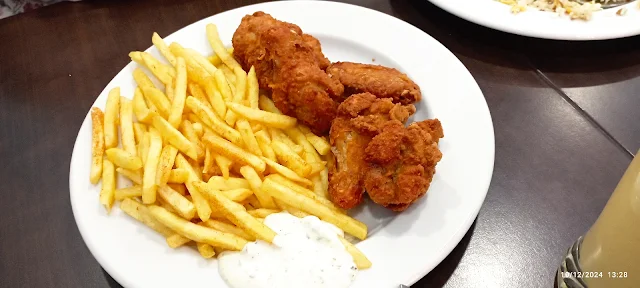
The Halal food which we have taken in lunch in Porto Portugal: 


Booking.com

Fly for Less with Skyscanner

Save big on your next flight with Skyscanner.

Compare Airlines, Dates, and Prices

Easily find the best options for your trip.

Search the Best Rates on Flights

Get the best deals with just a few clicks.

Plan Your Entire Trip with Skyscanner

Search flights, hotels, and car rentals to popular destinations.

Grab the Best Deals on Flights, Hotels, and Cars

Compare Now
Book & Save: Tiqets Kiwi GetYourGuide Amazon
Advertisement
AI Advisor — Ask me anything
Stays active all session
Hi! Ask me about travel, immigration, Spain, India, or any topic on Latestfoto.com. I find posts, affiliate deals, and follow-up questions for you.
Best places in Spain? Cheap flights Madrid US immigration 2026 India travel guide Free tours Europe
✨ Free AI Skin Analysis! Try Now →

Flight

✈️ Flight Deals

Error fares & cheap flights — updated daily

Loading flight deals…

_________________
facebook

Featured Post

Ruta de Lubián a Vilavella

Ruta de Lubián a Vilavella : un recorrido espectacular entre montañas, bosques y paisajes rurales en el noroeste de España. 🌿🥾 Este trayec...

Last 30 days' visitors

AI Advisor
AI Advisor

Look what is published:

Try Desktop
Purchase from

chat

Ask a Question

Enhance Your Success with Increased Visitor Engagement!
Ready to leave your mark? Partner with us and witness your business flourish!

7 Days-Popular Articles


How to Find Articles Relevant to Your Interest.

Top Internet Search Topics.

Join Our Writing Community!

🚀✍️ Embrace your passion for words and turn your free time into an exciting writing adventure & earning! Collaborate with us and elevate your writing game. 🌟

🚀✍️ Explore the world of guest writing and enjoy the added bonus of a backlink to your blog. Let's create captivating content together! 🌟

Scan QR code. Buy me a coffee.

Enjoying This Website?

Give Us Your Vote!

Follow Us on Facebook

Follow Us on Facebook

Follow Us Now!

Buy & Sell Your Video

Have an interesting video? Earn money by sharing it with us.

Learn a Language for Travel, PR, or Citizenship

Offer Your Own Language
-------------------------
See More. Do More. Share More.
Join Our Newsletter

Get exclusive discounts & travel tips straight to your inbox.

Please type this word to confirm you're human:

© Latestfoto.com — Questions. Curiosity. Discoveries.